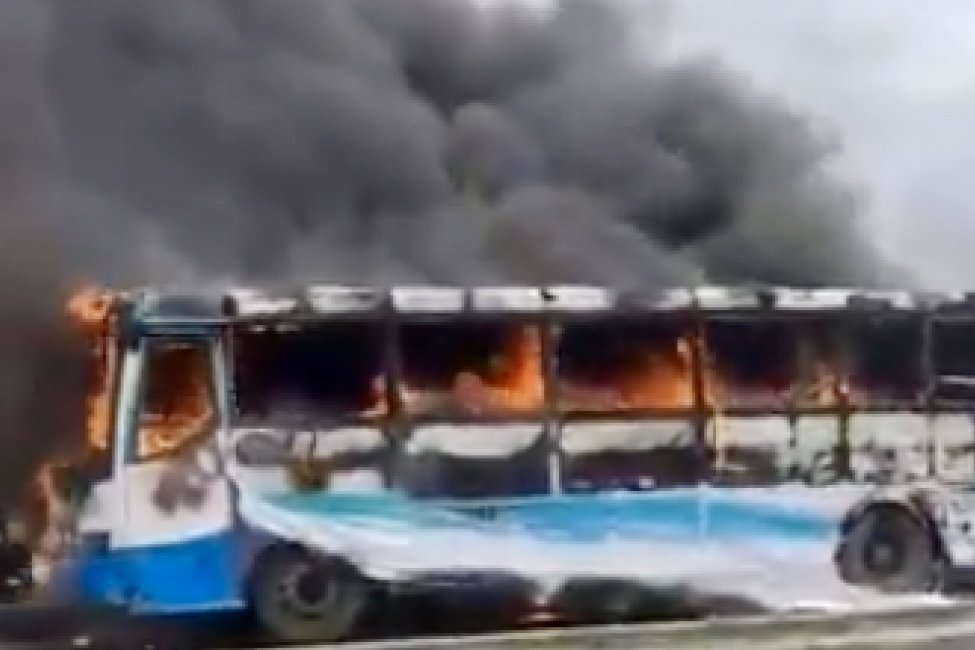
A fresh, night-time assault on Chakfem Chiefdom in Plateau State has left the community reeling, with several dead, dozens of homes torched, and survivors sheltering in fear as calls for swift justice grow louder.
Local youth leaders have described the attack as part of a sustained, coordinated campaign that they say bears the hallmarks of ethnic and religious extermination.
According to the Plateau Youth Council (PYC), the assault was not an isolated criminal incident but a deliberate strike aimed at “exterminating” their people.
The PYC’s statement, signed by Joshua Gabriel Goholput, condemned the killings as “barbaric,” demanded urgent protection for vulnerable communities, and urged security agencies to act decisively.
They warned that anything short of accountability will only embolden further bloodshed.
Independent reports put the death toll from recent related incidents in the state in the single digits for some villages and far higher for others.
Persecution.org reported a daytime ambush in Gwon village in which gunmen, locally identified as Fulani militants by witnesses, opened fire on Christians returning from morning devotion, killing three named men and wounding several others.
Survivors and local NGOs repeatedly identify a pattern: attacks on unarmed worshippers, evening raids on homesteads, and scorched properties that signal more than spontaneous banditry.
Security analysts and human-rights organisations warn the violence in Plateau is neither new nor random. Decades of farmer–herder tension, disputes over land and indigeneship, and weak law enforcement have produced repeated cycles of reprisal killings and mass displacement — a history documented by Human Rights Watch and others going back to the early 2000s. Those historical cycles underscore the urgency of a credible security and justice response today.
Tracking groups such as ACLED show a worrying upward trend in political violence across central Nigeria in recent years, such as spikes in attacks, rising civilian fatalities, and a proliferation of non-state armed actors exploiting resource competition and state vacuum.
Analysts say climate stress, arms proliferation and governance failures have turned localised disputes into recurring bloodletting that threatens regional stability.
Plateau’s recent carnage has political consequences. The Financial Times and other outlets note that the federal government faces mounting pressure to demonstrate it can protect citizens in the Middle Belt after a series of brutal raids across Benue and Plateau states that killed scores earlier this year.
Critics say token security gestures and delayed investigations have bred impunity; victims’ families demand criminal prosecutions and reparations, not platitudes.
What must happen next is clear: robust, intelligence-led operations to pursue the attackers; transparent, independent investigations that lead to prosecution; emergency relief for survivors; and long-term measures to resolve land access, enforce anti-grazing and weapons laws, and rebuild trust between communities.
Any failure risks entrenching the narrative of targeted persecution that groups like the PYC now invoke — a narrative that, if left unchecked, will deepen fractures in an already fragile state.
For Chakfem’s grieving families, justice is not rhetorical, it is a matter of survival. The nation’s security apparatus and political leaders must decide whether they will respond with decisive action or allow another generation to bury the living consequences of preventable violence.
Follow us on our broadcast channels today!
- WhatsApp: https://whatsapp.com/channel/0029VawZ8TbDDmFT1a1Syg46
- Telegram: https://t.me/atlanticpostchannel
- Facebook: https://www.messenger.com/channel/atlanticpostng