The wave of bloodshed that has engulfed central Nigeria in recent months reached another grim milestone on 13 June 2025, when gunmen descended upon Yelewata community in Guma Local Government Area of Benue State.
Dubbed a “coordinated attack of terror” by Inspector-General of Police Kayode Egbetokun, the massacre left 47 villagers dead, 27 wounded and hundreds displaced—yet it is only the latest in a string of brutal assaults that have become almost routine in Benue and neighbouring Plateau State.
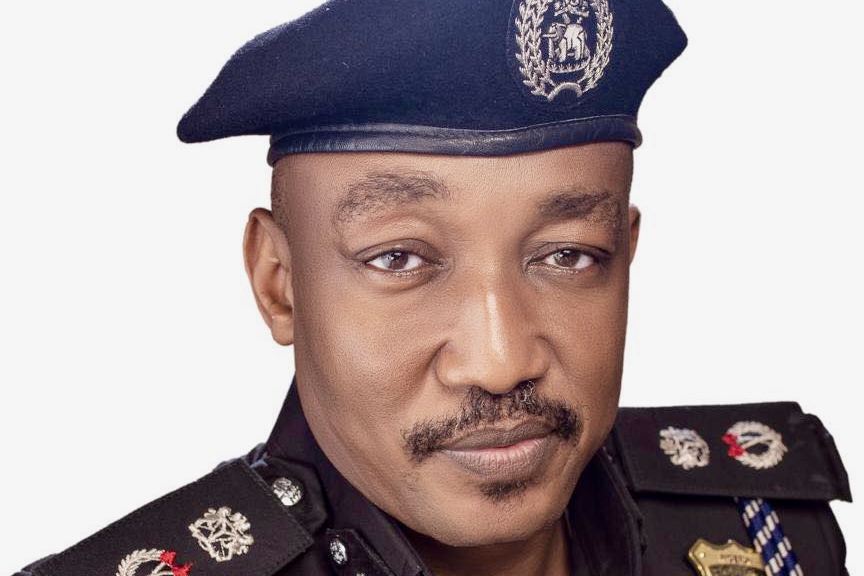
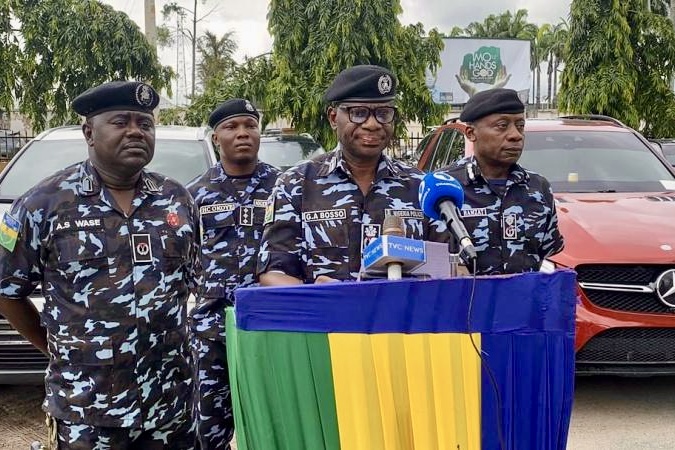
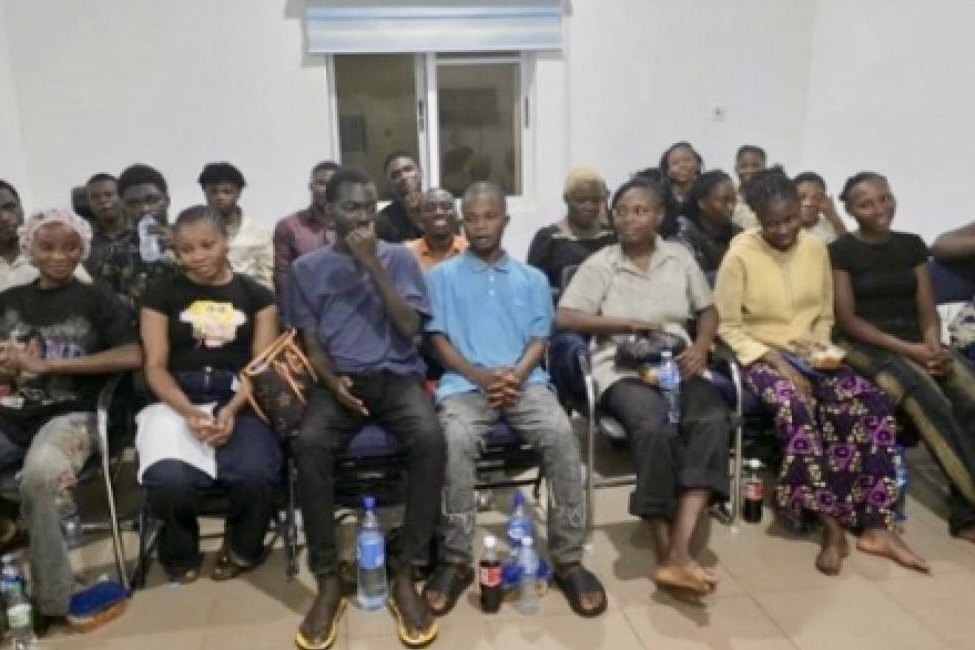
On Tuesday in Abuja, IGP Egbetokun announced that 26 suspects linked to the Yelewata atrocity have been apprehended, alongside 22 individuals tied to successive strikes in Plateau and a further five suspects involved in an earlier Benue attack.
He also confirmed the recovery of two general-purpose machine guns and eight AK-47 rifles—evidence, he said, of a chilling sophistication and resource-intensive backing for these rampages.
Yet, for a police force under intense scrutiny, tangible arrests offer only partial consolation in a crisis defined by systemic failure.
Historical patterns of herdsmen terrorism in central Nigeria reveal a blood-soaked arc stretching back years.
In March and April 2025 alone, Fulani militia are suspected of slaughtering over 126 villagers across four Plateau communities—Ruwe, Bokkos, Kimakpa and Zike—forcing some 7,000 to flee their homes.
Two weeks ago, coordinated assaults in Benue’s Tyolaha, Tse-Ubiam, Ahume and Aondona claimed at least 42 lives, while the twin June 20 massacres in Wannune (Benue) and Mangun District (Plateau) inflicted further carnage.
This surge in ethnically charged reprisal killings underscores a security apparatus perpetually one step behind.
Critically, the latest arrests should not be portrayed as a watershed. President Bola Tinubu’s recent visit to Benue yielded pointed questions about security agencies’ inability to pre-empt violence; he demanded answers on why no suspects had been detained until weeks after the Yelewata bloodbath.
Such delays—coupled with conflicting arrest tallies broadcast by the IGP—erode public confidence and embolden perpetrators who operate with near-impunity.
Nigeria’s religious and ethnic mosaic demands that state and non-state actors alike reject the logic of vengeance. Yet police warnings to “desist forthwith” ring hollow when villages are razed and the bereaved await justice for months on end.
The question remains: will these 53 arrests translate into prosecutions and convictions, or will they become yet another statistic in a cycle of violence unbroken by accountability?
For Nigerians bearing the scars of displacement, loss and trauma, the answer cannot come soon enough.
The Federal Government establish a specialised tribunal for ethno-communal violence, expedite forensic investigations and deliver transparent trial processes.
Anything less is a betrayal of the social contract—and consigns vulnerable communities to the mercy of killers who calculate that the cost of slaughter is worth the fleeting terror they sow.
Only a resolute stance against impunity will stem this bloodletting. Until then, every arrest, every weapon seized, will count for little in the face of a broken promise: that no Nigerian should live in fear of being gunned down in their own village.