Fresh violence erupted in Jos North hours after the Plateau government eased its lockdown, with disputed death tolls, panic in the streets, and mounting fury over what residents call a deadly security failure.
Jos North is bleeding again.
Angwan Rukuba, the same tense community that was already reeling from Sunday night’s deadly attack, was thrown back into chaos on Wednesday as fresh violence broke out just hours after the Plateau State Government relaxed its 48 hour curfew.
Channels Television reported that the unrest returned soon after the easing of restrictions. Fresh casualties have been claimed, but these have not yet been independently confirmed at the time of publication.
The scale of the bloodshed is still disputed, but the confusion itself tells a grim story. AP said at least 20 people were killed in the Sunday night assault in Gari Ya Waye community, while Reuters put the death toll at at least 30.
The Plateau police confirmed 14 deaths early on. Community leaders said 27 were feared dead. Later reports cited 28.
The wide spread of figures indicates a fast-moving security crisis. Official counts, local testimony, and media reports have not yet converged.
The state government had only just moved to calm the area. A 48 hour curfew was imposed after Sunday’s attack. It was then relaxed from 7am to 3pm effective Wednesday. This information was according to the Commissioner for Information and Communication, Joyce Lohya Ramnap.
The government said residents could resume lawful activities within the curfew window while security agencies remained on the ground. But within hours, violence had returned, reviving accusations that the authorities opened the door too quickly and too dangerously.
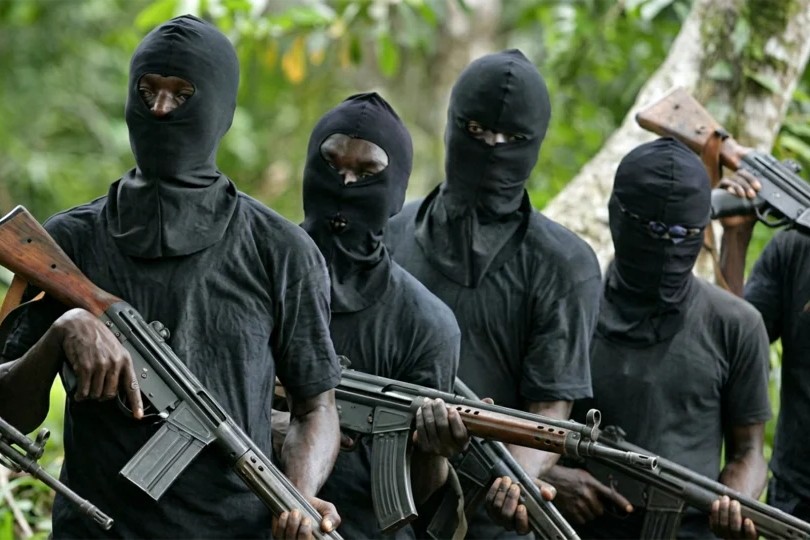
Residents say the attacks began around the Angwan Rukuba junction, where armed youths were alleged to have attacked people with sticks, machetes and other weapons, while stones were reportedly hurled into homes.
One resident told SaharaReporters that “urgent security attention” was needed because youths were “carrying weapons and attacking anyone they see.” Another witness said the fear in the community was unbearable.
Those claims could not be independently verified. They fit the broader picture of a neighbourhood on edge. A security response is struggling to stay ahead of events.
Sunday’s original attack is already under intense scrutiny. HumAngle reported that gunmen opened fire at around 7:45pm in Angwan Rukuba Junction, while Reuters said the assailants shot indiscriminately after arriving in Gari Ya Waye district.
AP said no group had claimed responsibility. Both AP and Reuters placed the violence in the long running cycle of attacks. This cycle has turned Plateau into one of Nigeria’s most fragile flashpoints.
Reuters also noted that the University of Jos suspended examinations because of the violence.
The security question is now unavoidable. The military has rejected online allegations that troops provided cover for the attackers. They insist that soldiers moved in only after a distress call. By the time they arrived, the assailants had already fled.
That denial matters. Reports from the scene have fuelled suspicion. These reports include eyewitness accounts and social media footage described by local outlets. They suggest that the response was too slow. It was too limited or too late to prevent reprisals.
Political pressure is also building. Governor Caleb Mutfwang has stated that Plateau will not bow to fear. The Federal Government has described the violence as a criminal act. It is not a collapse of the national security architecture.
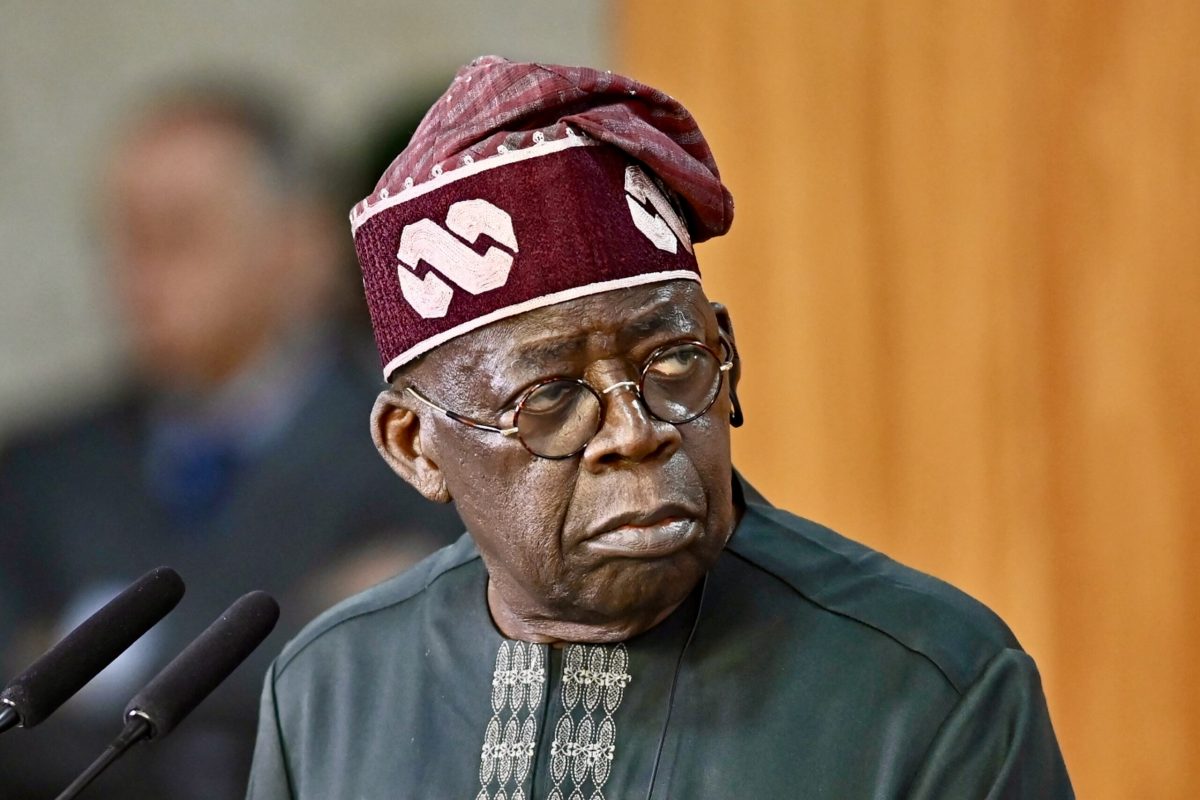
President Bola Ahmed Tinubu has also demanded that the perpetrators be tracked down and brought to justice.
At the same time, the Christian Association of Nigeria is demanding action. They warn that Nigerians are tired of “statements.” People want arrests, prosecutions, and real protection.
This is the hard truth about Plateau. Every delayed response deepens public anger. Every disputed death toll and half measured curfew fuels more frustration. Each unanswered allegation raises the risk of revenge attacks.
AP and Reuters both linked the state’s wider insecurity to recurring communal conflict, land pressure and criminal violence. However, the Angwan Rukuba case shows something else. When communities lose trust in state protection, panic becomes the fastest force on the street. That is how local tragedy becomes a wider political indictment.
Follow us on our broadcast channels today!
- WhatsApp: https://whatsapp.com/channel/0029VawZ8TbDDmFT1a1Syg46
- Telegram: https://t.me/atlanticpostchannel
- Facebook: https://www.messenger.com/channel/atlanticpostng