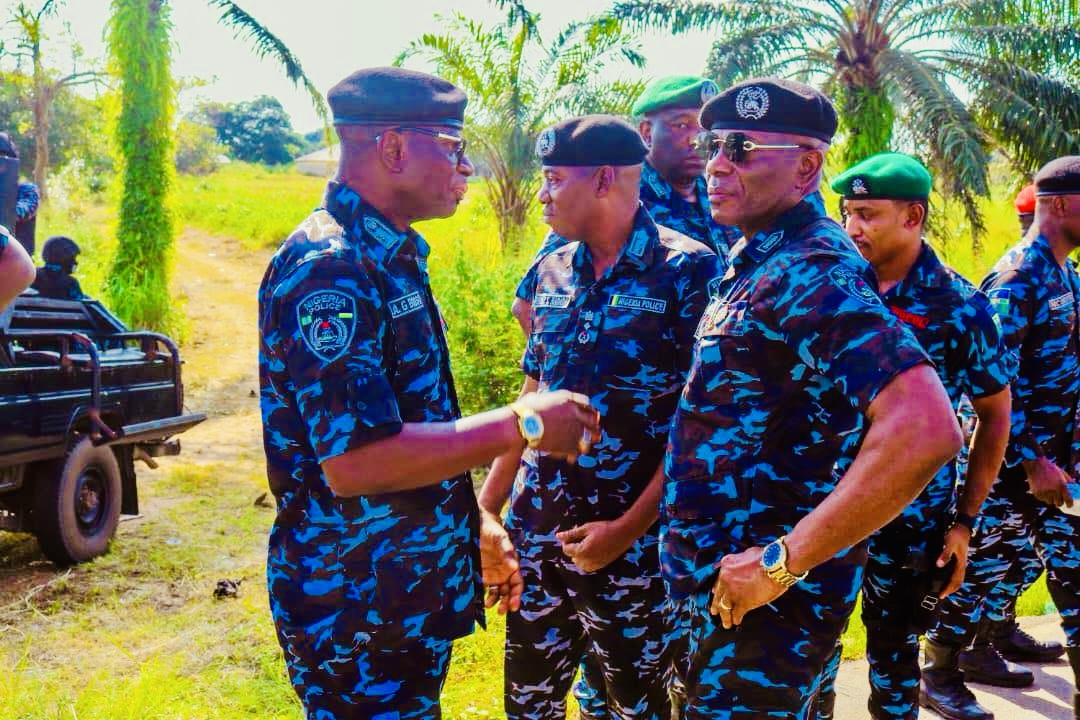
DIG Nadada is now directing the search, but the numbers, location and circumstances surrounding the attack expose gaps that a rescue operation alone cannot answer.
The most revealing fact about the Imo kidnapping may not be that 10 people were rescued.
It may be that two buses carrying young Nigerians towards NYSC orientation camps were successfully stopped and emptied into the bush at about 6:30am on a major highway.
The Nigeria Police Force has now escalated the operation.
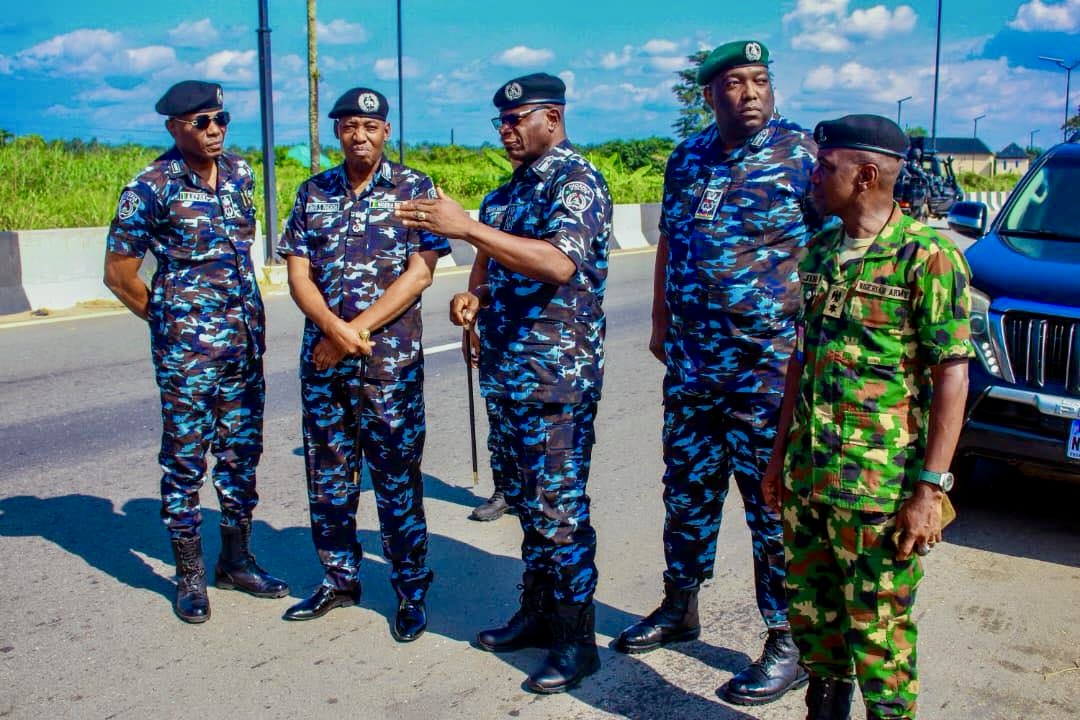
IGP Olatunji Disu deployed DIG Operations Shehu Umar Nadada to Imo, alongside senior commanders including the Commissioners of Police for Federal Operations and the Police Mobile Force.
The message from Abuja is unmistakable: this is no longer being treated as an ordinary local kidnapping case.
But the bigger investigation has barely begun.
The first question is the number of victims.
Early reports widely circulated the figure of 20 prospective corps members. The Police Command initially refused to confirm that figure and said the exact number abducted was being verified.
Then Defence Headquarters supplied a different breakdown.
Thirty passengers were on the two buses.
Twenty were abducted.
Ten were rescued, including eight prospective corps members.
That means the public conversation should no longer simply refer to “20 NYSC members”.
The more defensible official account is 20 abducted passengers, among them prospective corps members.
The second question is location.
Police reports place the attack around Umunoha in Mbaitoli.
Military-linked reports cited by major newspapers refer to Umonuwa in Ezinihitte Mbaise.
That needs to be reconciled.
In a kidnapping case, a few kilometres can change jurisdiction, local intelligence networks and the records investigators search for earlier attacks.
The third question is even harder.
The NYSC had already warned the 2026 Batch C Stream One mobilisation not to travel at night.
Reports indicate the travellers had left Ibadan during the day, stopped overnight and resumed the journey towards their destinations before the attack.
So this was not simply another case that can be explained by telling travellers not to drive at night.
The danger window may be wider.
That changes the security conversation.
And it points directly back to the road.
The Owerri-Onitsha corridor has featured in other violent incidents, including the 2024 killing of police officers at a checkpoint near Irete.
Weeks before the Imo attack, NYSC members were also among victims in a separate highway kidnapping in Kogi, where 11 people were later rescued.
A pattern is beginning to emerge, although the available evidence does not establish that the same criminal network is responsible.
Young Nigerians travelling in organised groups to fulfil a compulsory national programme are becoming exposed to the risks of the highways they must use.
That creates an uncomfortable question for investigators.
Are criminals discovering that NYSC mobilisation movements are predictable?
Nobody has publicly established that this is what happened in Imo.
But it is precisely the sort of question that a serious investigation should test.
The recovered buses may provide some answers.
So may the passenger manifests.
So may the first distress call.
So may telecommunications evidence and testimony from those rescued.
The authorities need to reconstruct the attack minute by minute.
Where were the buses?
What caused them to stop or slow?
Who raised the alarm?
How long did the attackers remain at the scene?
How far did they take the hostages?
Which direction did they escape?
What intelligence was available before the attack?
And what did security agencies know about the area beforehand?
The identity of the attackers also remains unconfirmed.
Some media reports have attached ethnic descriptions to the suspects, but security agencies have not publicly established those identities.
That distinction matters.
An investigation should follow evidence, not the labels attached to suspects before they are identified.
The rescue of 10 people is a major development.
But the operation does not end there.
It ends when everyone is accounted for.
And then another investigation should begin.
Not into how many officers can be moved into Imo after an attack, but into how a major route can remain vulnerable enough for two buses full of passengers to become a mass kidnapping scene.
The police have said they will continue until the mission is concluded.
Now the country needs the answers that should come after the rescue.
Because the real question is not only who took the passengers.
It is how they knew they could.
Follow us on our broadcast channels today!
- WhatsApp: https://whatsapp.com/channel/0029VawZ8TbDDmFT1a1Syg46
- Telegram: https://t.me/atlanticpostchannel
- Facebook: https://www.messenger.com/channel/atlanticpostng

Join the debate; let's know your opinion.