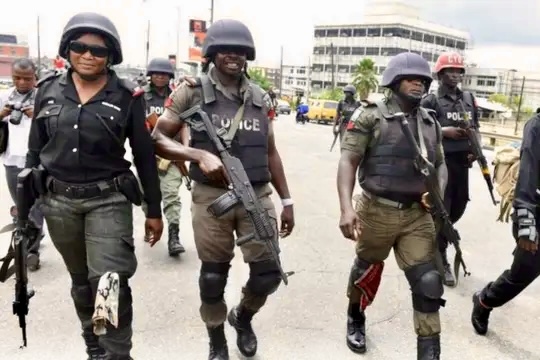
On Thursday, August 6, 2026, a fresh storm broke inside the Nigeria Police Force as anonymous junior officers accused senior personnel of institutionalised corruption, alleged sale of transfers and postings, diversion of operational allowances and the steady collapse of welfare support for rank-and-file officers.
The allegations were made to SaharaReporters, which quoted officers describing a Force where basic administrative approvals are said to attract unofficial payments and where junior personnel are, in their words, forced to fund policing from their own pockets.
The claims are explosive not only because of their seriousness, but because they land at a time when the Federal Government has already opened formal discussions on police welfare. On July 8, 2026, the Ministry of Police Affairs said it had convened a high-level committee to review police allowances and outstanding benefits, including pension arrears, death benefits and health benefits, with the Police Service Commission, the Nigeria Police Force and the Nigeria Police Trust Fund all represented at the meeting. On August 4, 2026, the ministry said the review had been broadened into a comprehensive examination of police salary structure, insurance, pension-related benefits and other welfare packages.
The officers’ central allegation is that transfer and posting decisions have been turned into a market. According to the SaharaReporters account, junior personnel claimed they pay as much as ₦200,000 to move from one division or command to another, and another ₦200,000 to be deployed to a beat or special duty. One officer was quoted as saying: “Junior officers pay up to ₦200,000 to be transferred from one division or state to another. They also pay up to ₦200,000 to be posted to beat or special duty.”
That allegation, if verified, would point to a corruption chain that touches personnel movement, operations and discipline. The officers further claimed that every request needing approval from senior offices attracts payment, describing what they say is a normalised culture of extortion within formations across the country. Another officer was quoted as saying: “Worse still, any help a police officer needs from any police office must be paid for. Officers are forced to empty their accounts. This is corruption from the top.”
They also alleged that allowances meant for special duty and operations are being diverted or reduced before reaching the intended beneficiaries. One quoted officer said: “Special Duty Allowance and Operation Allowance meant for junior officers are collected by senior officers. Junior officers receive little or nothing.” The same account described the phrase “Go and wait for your time” as a dismissive line allegedly used to silence complaints and normalise abuse.
The welfare picture painted by the officers is even starker. They alleged that patrol teams are often left without fuel allocations and that junior officers are compelled to keep vehicles moving with money from their salaries. They further claimed they personally fund the booking of rifles and ammunition, sewing of uniforms, repairs to barracks, patrol vehicles and office equipment, as well as stationery, feeding of suspects in detention and medical bills for injured colleagues. The implication is clear: if the institution does not pay, the lower ranks do.
That complaint is not emerging in a vacuum. The Ministry of Police Affairs has already acknowledged, in its own welfare review, that accommodation, harmonised allowances, outstanding pension liabilities and the need for sustainable funding are major pressure points inside the Force. In its August 4 statement, the ministry said the exercise is intended to strengthen operational effectiveness and align allowances with current realities. In its July 8 statement, the ministry said better payment of legitimate entitlements is essential to morale, public confidence and performance.
The reform question is also larger than this week’s allegations. A CLEEN Foundation report on the Presidential Committee on Police Reform recalled that the Madami-led committee produced 120 recommendations spanning police welfare, condition of service, logistics, recruitment, personnel development and public confidence. That history matters because it shows that Nigeria has been talking about police reform for years, yet the same welfare and accountability complaints continue to recur.
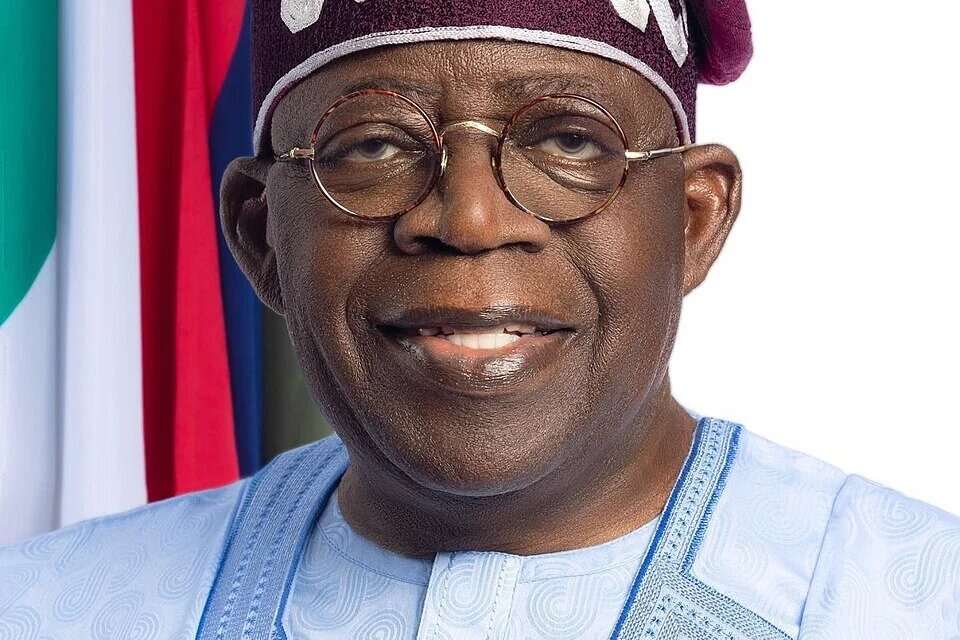
There is also an important political backdrop. Reuters reported on August 4, 2026 that President Bola Tinubu approved salary increases of up to 80 per cent for the armed forces from September 1, as part of an effort to improve troop welfare amid worsening insecurity. The timing places added pressure on the police hierarchy and the wider security bureaucracy to explain why welfare complaints remain so severe in the Force, even as the Federal Government signals willingness to spend more on security personnel.
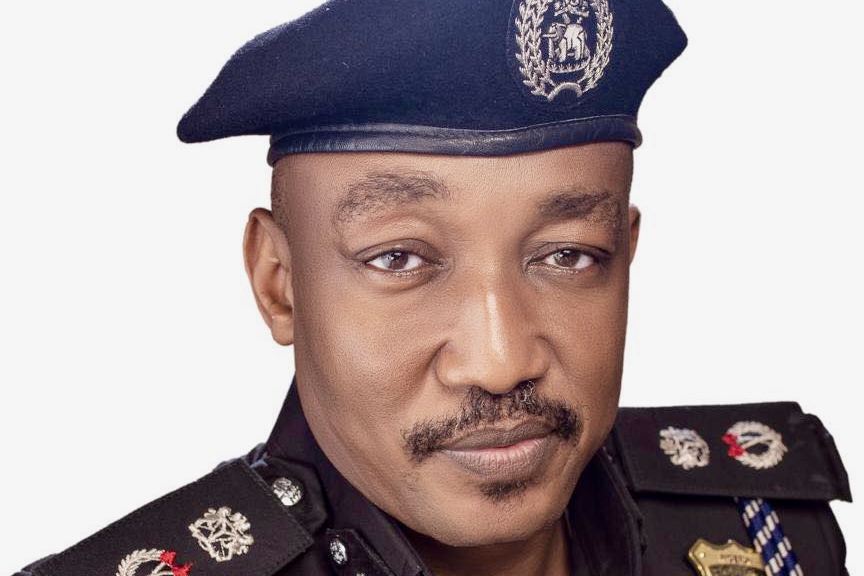
At the centre of the institutional response is Inspector-General of Police Olatunji Rilwan Disu, who officially assumed office in February 2026. The current welfare allegations therefore test not only the credibility of the Force’s internal controls, but also the speed with which the leadership can separate legitimate reform from empty announcements. A police system that allows junior officers to believe promotions, postings and allowances are for sale cannot claim to be building trust with the public.
For now, the allegations remain allegations. But they are detailed, recurring and consistent with a long-running pattern of welfare complaints inside the Force. If the Ministry’s review is to mean anything, it must move beyond committee language and produce transparent implementation: direct payment of allowances, clearer posting rules, auditable logistics support, better accommodation, and a credible complaints channel that protects junior officers from victimisation. Without that, “reform” will remain a slogan, while the pressure on the men and women at the bottom keeps rising.
Follow us on our broadcast channels today!
- WhatsApp: https://whatsapp.com/channel/0029VawZ8TbDDmFT1a1Syg46
- Telegram: https://t.me/atlanticpostchannel
- Facebook: https://www.messenger.com/channel/atlanticpostng