ABAKALIKI, Ebonyi — The family of Mary Habila, the 26-year-old nurse whose death at the residence of the Minister of Works, David Umahi, has drawn national attention, has now made its position unmistakably clear: they want her body released for burial and do not want an autopsy.
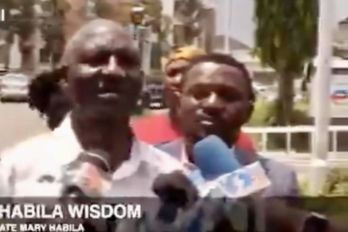
In an affidavit filed before the Ebonyi State High Court and in subsequent public remarks, her father, Tanko Habila, said the family is no longer pursuing further investigation and does not suspect anyone of wrongdoing.
Speaking emotionally, Habila said: “All that I want is the corpse of my daughter.” He also insisted: “I don’t want the autopsy.” The father maintained that the family’s concern was simple and immediate: to recover Mary’s remains after what he described as too long a delay and bury her with dignity.
The latest position was formalised in an affidavit dated 13 July 2026, titled “Affidavit of Withdrawal of Case”. The document, as reported by The PUNCH and Premium Times, says the family welcomes efforts to understand what happened, but will not consent to any post-mortem examination.
Habila also stated that he wished to withdraw from any further police or court process, and asked for his daughter’s body to be handed over for burial.
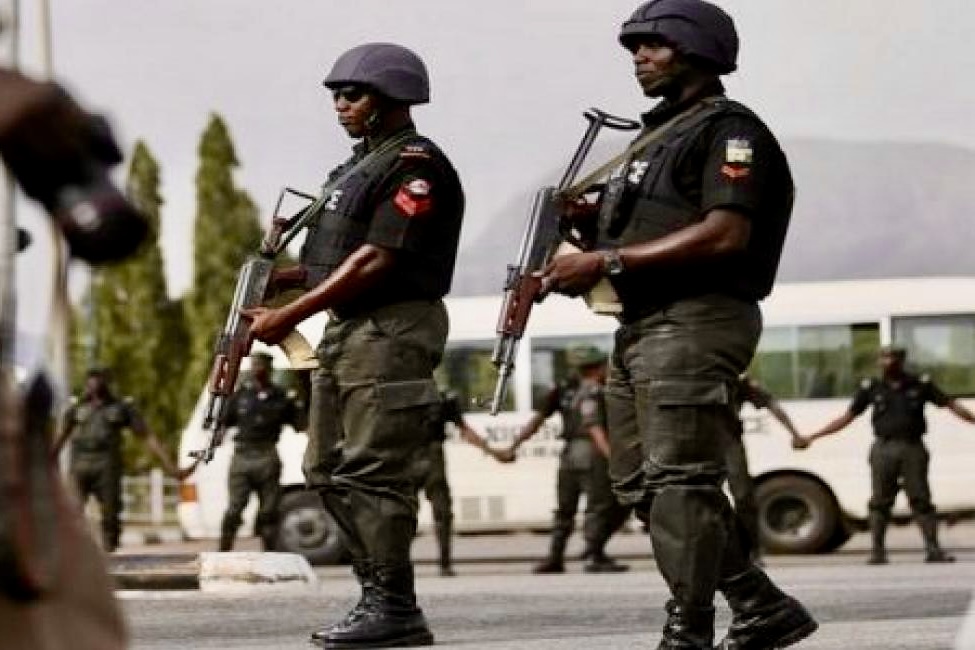
That stand has put the family on a collision course with investigators. The Ebonyi State Police Command has said the autopsy remains necessary because of the sensitive nature of the case and the need to establish the true cause of death.
Police said detectives have visited the scene, taken statements and are arranging for a pathologist, while awaiting the family or a representative to attend the procedure.
Umahi, for his part, has also pushed for an autopsy. In his first detailed public comments, he said Mary had worked closely with him for about three years, was “like a daughter” to him, and had a medical history for which he had funded treatment.
He said he suspected no foul play, but wanted the post-mortem to determine the exact cause of death. The minister described attempts to link him to the death as “politics taken too far”.
One detail that continues to matter is the official description of Mary’s role. While some early reports referred to her as a physiotherapist, Umahi said she was a nurse employed by the Federal University of Health Sciences, Ebonyi State, and had been seconded to work with him in Abuja and Ebonyi.
That inconsistency is significant because public narratives around a death often harden quickly when basic facts remain disputed.
The location and circumstances of her death have also fuelled public interest. Reports say Mary died on 27 June 2026 in Uburu, Ohaozara Local Government Area of Ebonyi State, after travelling with the minister to his hometown.
Public discussion intensified after reports circulated that her body was found at or linked to the minister’s residence or guest house, prompting demands from civil society groups and political actors for a fuller explanation.
For investigators, the central question is not simply whether the family wants burial, but whether the public record can withstand scrutiny without a post-mortem.
In a high-profile death connected to a federal minister, the choice to abandon an autopsy does not automatically resolve public doubt; it may deepen it. That is why the police insist the examination is necessary, and why Umahi has pushed for the body to remain undisposed until the procedure is done.
Habila’s position, however, is rooted in grief, culture and closure. He says the family does not accuse anyone and does not want the body kept any longer. In his words, the matter is no longer about suspicion but burial.
“We are not suspecting anybody,” he said in the public remarks quoted by the media, adding that death can occur suddenly and that the family’s wish is simply to lay Mary to rest.
The story now sits at the intersection of bereavement, institutional procedure and public accountability. If the family continues to resist an autopsy, police and the minister may still face pressure to explain how they intend to close a case that has already spread far beyond Ebonyi State. If the post-mortem goes ahead, it may answer the question that has overtaken all others: how did Mary Habila die?
Facebook algorithm note for viral distribution: Meta says Facebook Feed ranking is driven by thousands of signals and more than 100 prediction models, including how likely people are to comment, share, or spend time viewing a post. It also says Facebook is surfacing over 25% more same-day Reels than in Q3 2025, while rewarding more original content. Inference: for a story like this, the strongest social framing is one that foregrounds conflict, urgency and unanswered questions, because those are the kinds of posts Meta’s systems are built to predict as highly engaging.
Follow us on our broadcast channels today!
- WhatsApp: https://whatsapp.com/channel/0029VawZ8TbDDmFT1a1Syg46
- Telegram: https://t.me/atlanticpostchannel
- Facebook: https://www.messenger.com/channel/atlanticpostng