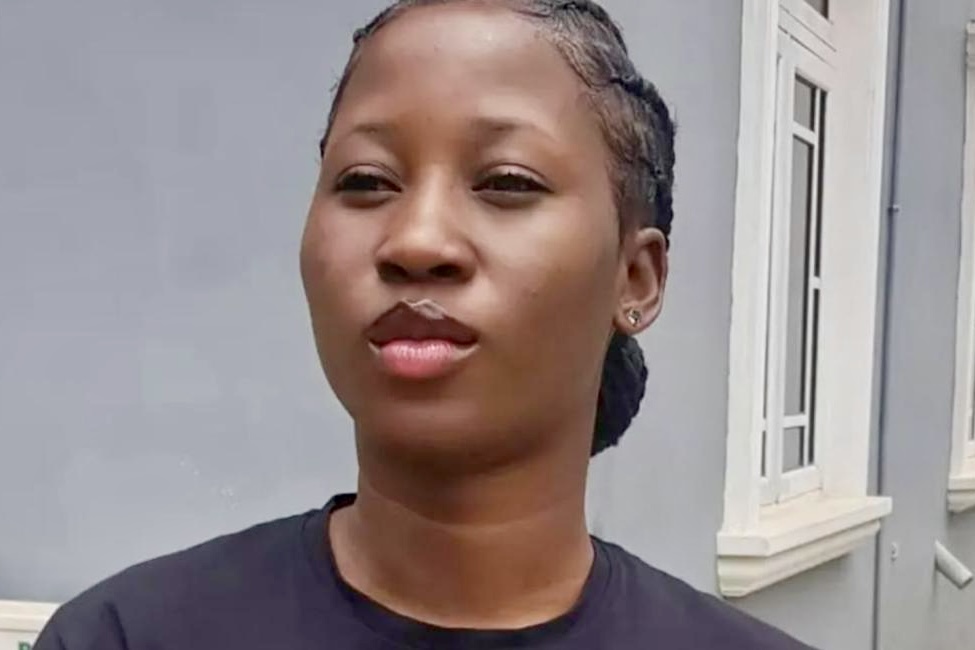
Mary Habila’s resurfaced June 2024 clip, in which she insisted that she was “fine and healthy”, has returned to the centre of public attention just as the investigation into her death gathers pace. The footage now sits uneasily beside a case that has become defined by grief, contradiction and a fierce battle over whether a post-mortem should go ahead.
According to the Ebonyi State Police Command, detectives received a distress call on 27 June 2026 and were told at the hospital that Habila had been brought in dead.
The police say they have visited the scene, obtained statements from relevant persons and transferred the matter to the State Criminal Investigation Department for a full inquiry. They also insist that a post-mortem is necessary to establish the true cause of death.
The Minister of Works, David Umahi, has also formally pushed for a forensic autopsy. In a letter conveyed through his lawyers, he asked the police to conduct a comprehensive examination before the body is released, arguing that only a scientific investigation can remove speculation and settle the facts.
Channels Television reported that Umahi’s camp said the aim was to “scientifically and independently” ascertain what happened.
That position has collided with the family’s wishes. In an affidavit seen by Premium Times, Mary Habila’s father, Tanko Habila, said the family does not consent to any post-mortem. His words were blunt: “I don’t want the autopsy.”
He also asked that his daughter’s corpse be released for burial, while stressing that the family was not accusing anyone of causing her death.
The dispute over the body has become one of the most sensitive parts of the case. The father told Punch that what he wants is simply “the body of my daughter”, adding that the family should be allowed to carry out burial rites.
Police, however, say the sensitivity of the matter makes an autopsy indispensable and that the family’s presence, or that of a duly authorised representative, is required before the examination can proceed.
A separate legal opinion from the Ebonyi State Ministry of Justice has further deepened the mystery. Punch reported that the advice said Habila was “full of life” before returning to Uburu and that there was no evidence of any prior health crisis.
The same advice said she was found unclothed, with bloodstains around her nose and mouth, and argued that the unanswered question of what caused her “sudden death” could only be resolved through a post-mortem.
The identity of the deceased has also become part of the controversy. Some reports have described Habila as a physiotherapist attached to the minister, while SaharaReporters has recently reported that university and payroll records point to her being a Community Health Extension Worker, not a licensed physiotherapist.
That contradiction is important because in a case this politically charged, even basic biographical facts can shape public trust in the investigation.
Civil society groups are now warning that the matter must not be hijacked by rumour or politics. The Interfaith Youth Council of Nigeria has called for “a thorough, independent and transparent investigation”, urging Nigerians to separate “verified facts, allegations and personal opinions”.
The group also appealed for restraint, saying that premature conclusions could damage confidence in the justice system.
As of today, 21 July 2026, the case remains unresolved. The family wants burial. The police want an autopsy. The minister says he wants transparency. The public wants answers. And the resurfaced video — in which Habila calmly told viewers she was alive, well and confused by false reports — has become a haunting reminder of how quickly a private reassurance can turn into a public indictment when the facts are still buried.
Follow us on our broadcast channels today!
- WhatsApp: https://whatsapp.com/channel/0029VawZ8TbDDmFT1a1Syg46
- Telegram: https://t.me/atlanticpostchannel
- Facebook: https://www.messenger.com/channel/atlanticpostng