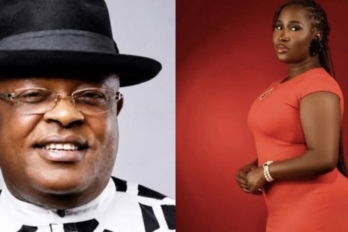
Minister of Works David Umahi has dismissed allegations of foul play in the death of Mary Habila, insisting he had seen no evidence of a cover-up and that the matter should be settled by a forensic autopsy before burial.
Umahi described the late woman as “like a daughter” and said the case had been unfairly politicised, while latest reports show the family has since postponed burial as police continue to insist on a post-mortem examination.
The case has also exposed conflicting descriptions of Habila’s role. Some reports identify her as a nurse attached to the David Umahi Federal University of Medical Sciences and seconded to the Federal Ministry of Works, while others continue to describe her as a physiotherapist.
That discrepancy is important, because it goes to the heart of how she was posted, where she was staying, and why she was in the minister’s residential compound in Uburu when she died on 27 June 2026.
In his Abuja briefing, Umahi gave a detailed account of the final hours he says were relayed to him. He alleged that Habila complained of a nosebleed to her boyfriend, said it had stopped, and later told him she was going to bathe before she stopped responding.
He also claimed the room was locked from inside and that the tap was still running when the door was broken open.
Umahi further said he had asked police to retrieve telephone records and accused some officers of leaking mortuary photographs to fuel speculation. Those are his assertions, not findings of a court or pathologist.
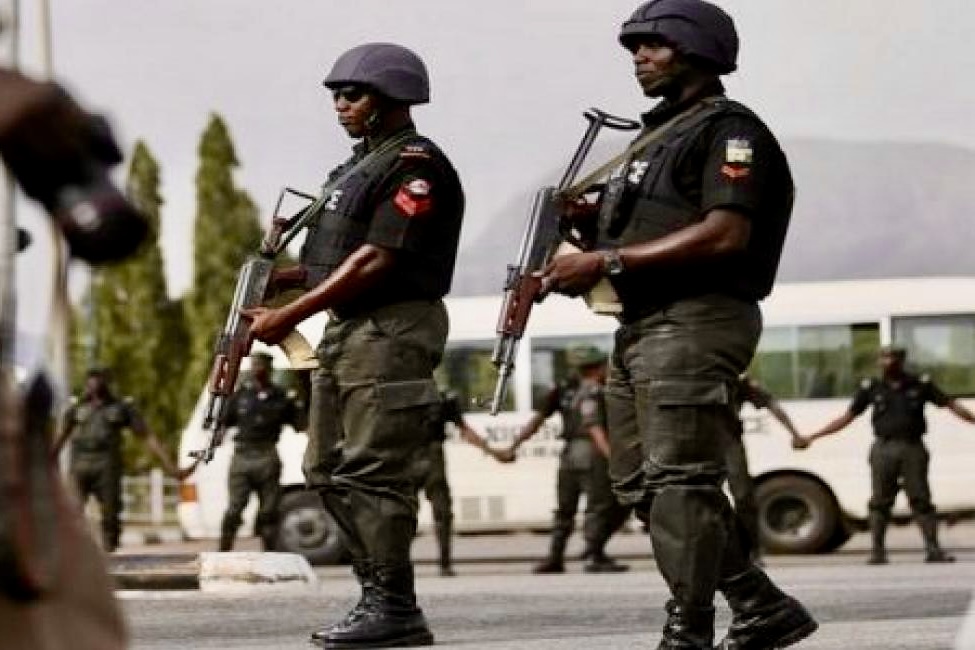
Police, however, say the case still requires a full forensic examination. According to the Ebonyi State Police Command, officers received a distress call on 27 June, were informed that Habila had been brought in dead, and transferred the matter to the State Criminal Investigation Department.
The command says detectives visited the scene, documented evidence and obtained statements from relevant persons, adding that an autopsy is necessary because of the sensitivity of the case and the need to establish the actual cause of death.
The family has taken a different position. In an affidavit filed on 13 July, Habila’s father, Tanko Habila, said the family did not suspect foul play, opposed any autopsy and asked that her body be released for burial.
Premium Times reported that the family fixed a burial date for Friday, 17 July, but later reports show that the burial has now been postponed because police have refused to release the remains without a post-mortem.
That clash has turned the case into a contest between private grief, public suspicion and official procedure.
The political fallout is widening. The African Democratic Congress has demanded an independent probe, saying the matter can no longer be treated as a private tragedy once a young woman dies in the residence of a serving federal minister.
Northern youth groups and other civic organisations have also called for Umahi’s suspension and an internationally witnessed autopsy, arguing that no family preference or political influence should override a transparent investigation.
For now, the critical unanswered questions are straightforward: what was Habila’s official status, what do the medical and call records show, what exactly did investigators find at the scene, and what will the autopsy establish if it eventually goes ahead?
Until those answers are public, the case will remain a test not just of Umahi’s credibility, but of the state’s willingness to investigate a politically sensitive death without fear or favour.
Follow us on our broadcast channels today!
- WhatsApp: https://whatsapp.com/channel/0029VawZ8TbDDmFT1a1Syg46
- Telegram: https://t.me/atlanticpostchannel
- Facebook: https://www.messenger.com/channel/atlanticpostng