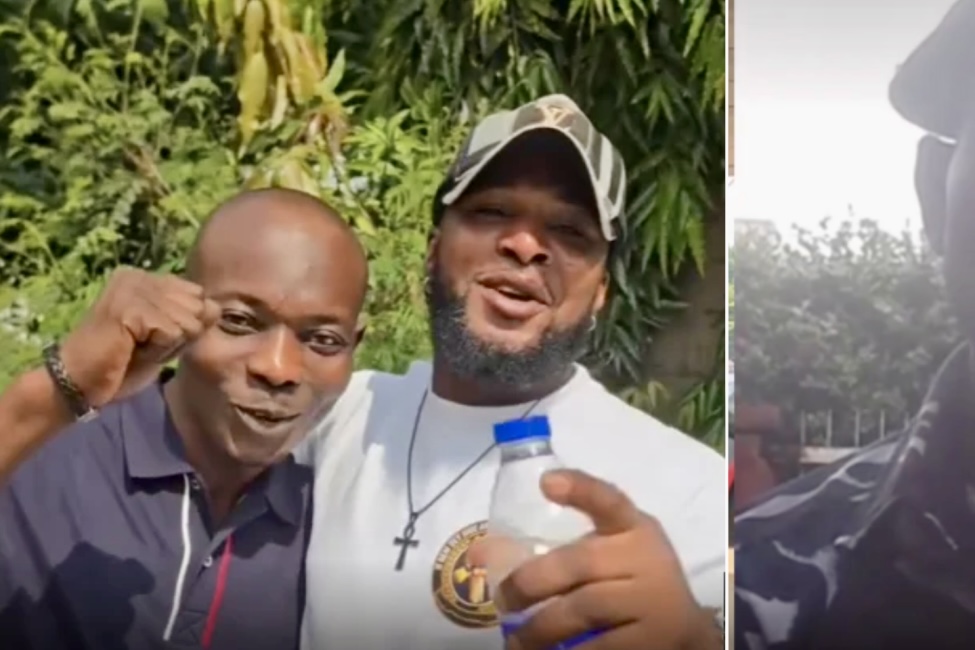
The virtual townhall excerpt surfacing again this October is stark in tone and seismic in claim. The Lower Niger Congress and its NINAS alliance insist their long running campaign has a strategy. It aims to dismantle what they call a “Caliphate-imposed unitary constitution.” They believe this effort is now vindicated. They say the dramatic Biafra-or-Death cry once lit bonfires across parts of the southeast. It was never a liberation plan. It was a mass deception. This diversion bled Igbo communities dry while real constitutional change was quietly pursued. The video and speech excerpt now circulating are explicit. They blame Mazi Nnamdi Kanu and his inner circle. The LNC calls it sabotage and waste of lives.
Set beside the public record the record of recent years is uncomfortable for Kanu’s supporters and revealing for critics. Kanu has been at the centre of prolonged legal and political drama. After years on the run and an extraordinary rearrest, authorities have charged him with terrorism and treason. He must answer these charges in Nigerian courts. Those proceedings stay high profile. They are fraught with delays and judicial recusals. These issues have fuelled both sympathy and suspicion across the diaspora and at home. In early October 2025, reports emerged of Kanu complaining of grave health problems while in detention. These claims have amplified the drama around his cause. They have also impacted his leadership.
This story can’t be responsibly told without returning to the original catastrophe that birthed Biafra grievances. The Nigerian Civil War of 1967–1970 left a deep and contested legacy. Estimates vary. Nevertheless, scholarly consensus places civilian deaths from famine and conflict in the hundreds of thousands. Some estimates even suggest more than a million. The images of starving children shocked the world. The global humanitarian outcry that followed intensified the belief among many southeast Nigerians. They felt deliberately targeted and economically punished. That history is the ballast on which both legitimate demands for justice and manipulative revivalist rhetoric have since ridden.
The LNC and NINAS narrative rests on two connected claims. First, they argue the root problem is constitutional not cultural. They say the 1979 constitution and the 1999 constitution that followed consolidated power in Abuja. This left constituent peoples subject to a centralised, extractive system. Independent observers have long criticised Nigeria’s federal practice as heavily centralised. They argue that the 1999 charter in many respects perpetuated structures laid down in earlier constitutions. That critique underpins calls for restructuring, confederation or a fresh negotiated settlement — not necessarily secession.
Second, and more explosive, is the LNC charge. They claim that Kanu’s Biafra restoration project was not simply another channel for restructuring. Instead, it was a franchise that diverted energy and blood from a patient, constitutional dismantling of a system. They insist this system functions as a “union of death”. The organisation’s virtual townhall and materials accuse Kanu and allied actors of deliberate sabotage. They also charge them with exaggeration and profiteering. Their hard line offered dramatic imagery but no credible pathway to sustainable political reform. Whether judged by political results, the Biafra-or-Death battlecry did not succeed. Judged by human cost, it failed those who answered it with their lives.
Both claims demand scrutiny. There is documented evidence that Nigeria’s constitutional evolution has repeatedly concentrated power at the centre. Successive regimes have used military fiat to redraw the political map. The political economy of the oil era has compounded that imbalance. This makes state capture and revenue-sharing issues central to regional grievances. But there is a countervailing fact too. Movements and leaders who promise rapid restitution through secessionist slogans have often faced isolation. They are legally pursued. They also become vulnerable to counterinsurgency. The human cost of romanticised martyrdom and street confrontation is real. The LNC are asking a harsh question of the Igbo and other affected peoples. Did an emotive, violent cry save lives? Or did it needlessly squander them?
That question has political consequences today. If the LNC and NINAS case is taken seriously by national and international audiences, it reframes the popular debate. It shifts the focus away from personalised hero narratives and towards institutional reform. For investigators and journalists the work is plain. We must map the flows of funds. We need to trace who organised rallies and armed actions. It is essential to examine communications between diaspora cells and home coordinators. Finally, we must scrutinise judicial dockets. We must also test the LNC narrative. We need to compare it with the lived memory of communities in Aba, Onitsha and beyond. These communities sustained losses during the years of agitation. They may feel abandoned by any leader who promised salvation but delivered prosecution and grief instead.
There is a larger moral to this story about how liberation rhetoric can become a vessel for manipulation. The tragedy of the Biafra war continues to be used as moral capital. That capital can be spent on genuine constitutional reform. Alternatively, it can be spent on theatrical confrontation that leaves communities bereft. The LNC and NINAS have placed a heavy accusation on the table. How the courts handle that accusation is crucial. Civil society and the international community’s response will also play key roles. These reactions will decide if the debate develops into a workable roadmap for restructuring. Otherwise, it will dissolve into another round of recrimination and bloodletting.
Investigative reporters must now pursue the evidence the LNC promises exists. They must follow financial leads. They also need to watch trials closely and protect witnesses. Reporters must continually revisit the fundamental question posed by the townhall. Was the Biafra-or-Death cry liberation, or was it mass deception? The answer will shape the politics of the southeast for a generation.
Follow us on our broadcast channels today!
- WhatsApp: https://whatsapp.com/channel/0029VawZ8TbDDmFT1a1Syg46
- Telegram: https://t.me/atlanticpostchannel
- Facebook: https://www.messenger.com/channel/atlanticpostng