LAGOS, Nigeria — Nigeria’s supply chains are paying a new hidden tax. Kidnappings for ransom are increasing. Maritime threats have been renewed. Extortion along port corridors is entrenched. These challenges are forcing firms to buy protection. Companies also need to reroute shipments and accept longer lead times.
The immediate costs show up as security budgets, insurance premiums and higher logistics fees. The downstream effects include steeper product prices. They also involve broken just in time models. Additionally, there are heavier working capital needs for firms that can least afford them.
This piece explains how the new crisis works. It gives two field examples. It quantifies the visible costs. Finally, it offers pragmatic actions for companies and policy makers.
How Crisis 2.0 took shape
What feels like a replay of earlier shocks is different in its drivers. Criminal networks have industrialised kidnapping and roadside extortion into a revenue stream that targets people and cargo alike.
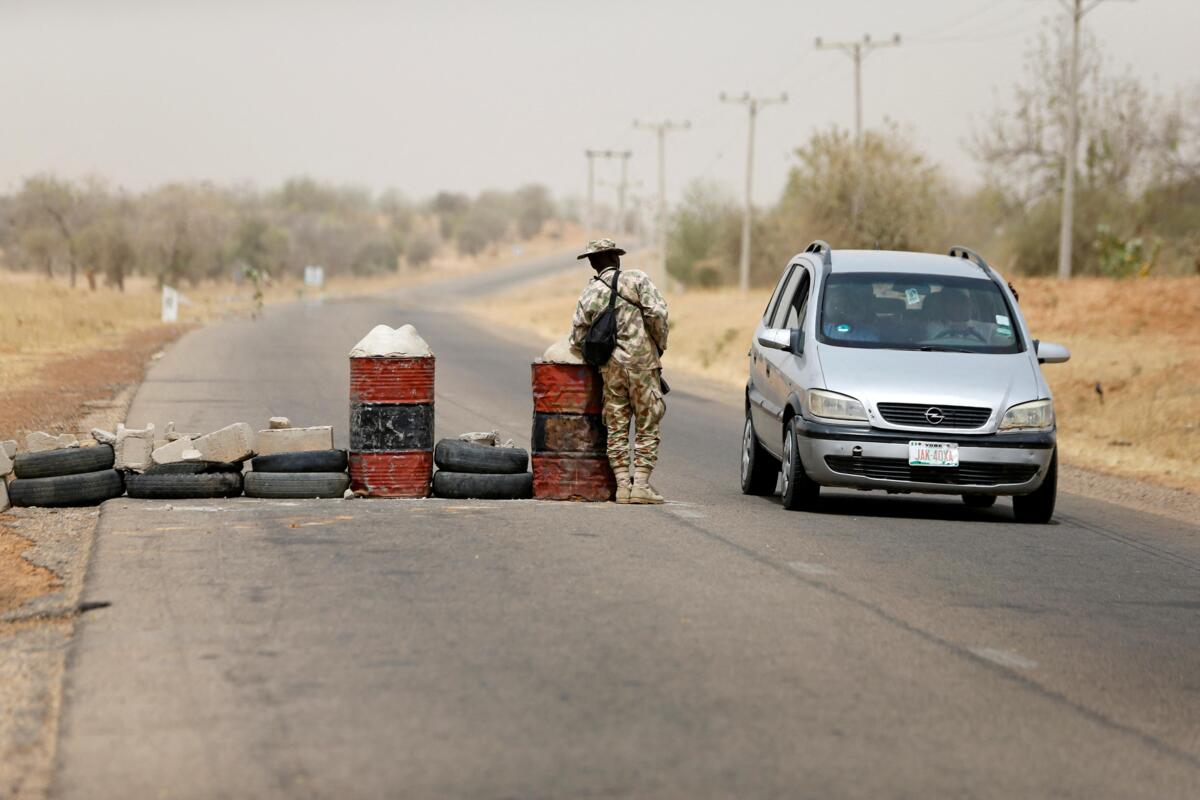
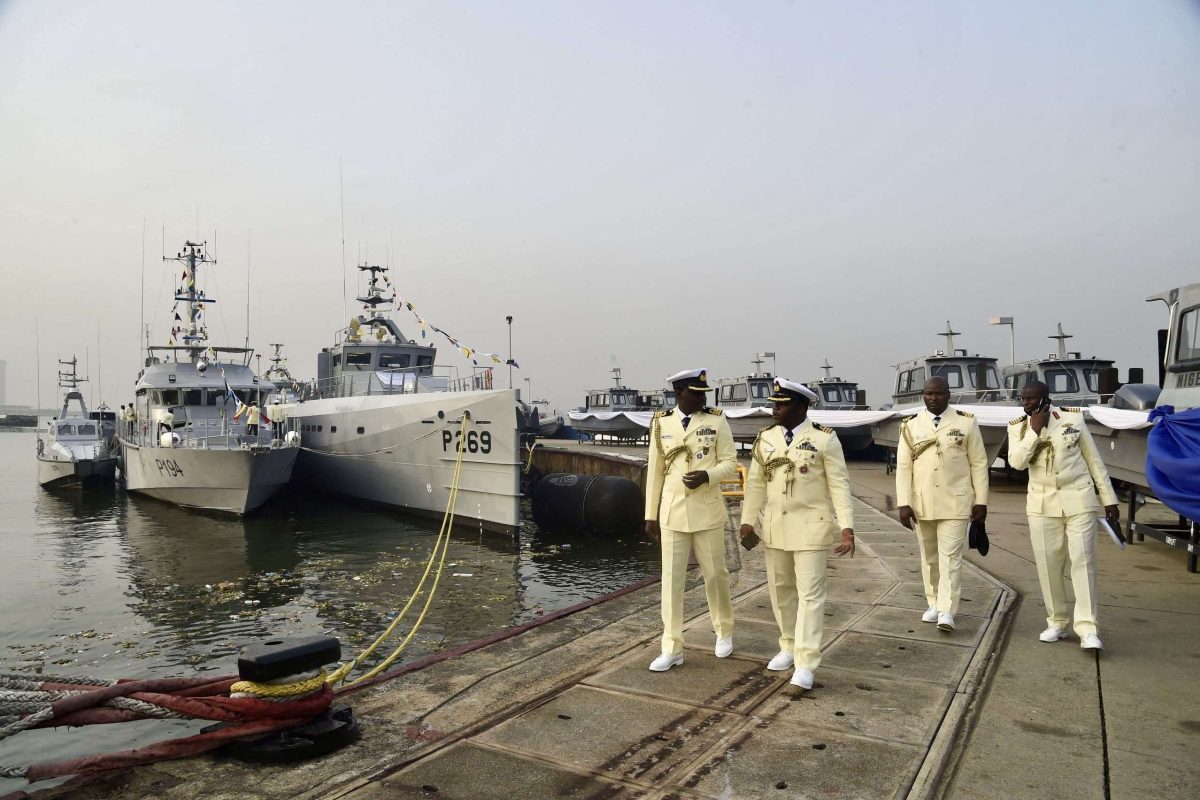
At sea, there are renewed risks in and around the Gulf of Guinea. These risks increase insurers’ war risk or kidnap and ransom loadings. At the ports, an orderly queue system has collapsed. Racketeering has reappeared at checkpoints. This situation has re-introduced delays and led to informal payments.
The result is higher direct payments to criminal actors. Indirect costs are rising as companies restructure routes and contracts to avoid harm.
The cost lines that add up
There are at least four measurable cost lines. First, direct protection and ransom payments. A recent study shows that kidnappings generated billions of naira in demand. They extracted significant sums over a 12 month span. This signals organised profit seeking. It directly touches businesses and their staff.
Second, insurance. Shipping and cargo insurers now load premiums where exposure rises, pushing freight costs up. Third, route and time costs. Rerouting to avoid hotspots or waiting out congestion consumes fuel, time and demurrage.
Fourth, operational resilience costs. Firms pay for armed guards, private convoy services, secure warehousing and advanced tracking. Taken together these add a high percentage to landed cost for manufacturers, importers and FMCG distributors.
Case study one — A Lagos importer forced to budget for protection
A medium sized importer that moves consumer goods through Lagos reported a new line item in its monthly budget. This line item is labelled security and protection.
In 2023, the company budgeted only for security tags and CCTV. Now, it pays for private convoy services on the last 50 kilometres from port to warehouse. It also pays for secure overnight storage when trucks cannot clear terminals.
The extra cost has flowed into a 6 to 10 per cent premium on landed cost. That premium is visible in invoices and in negotiations with retailers who in turn pass some of it to consumers.
The choke point for many such businesses is the Apapa corridor. Electronic call up systems formerly helped reduce queuing. They also helped lessen informal payments. Recent breakdowns of those systems have allowed extortion to reassert itself.
Case study two — A manufacturing firm hit by maritime and supply side insurance hikes
An export oriented manufacturer serving regional markets has seen shipping windows shrink and freight weeks slip.
There was a spike in regional piracy concerns and higher perceived risk off West Africa. As a result, the firm’s shipping partner reclassified certain sailings as higher risk. They added a kidnap and ransom surcharge and raised hull and cargo security expectations.
The joint effect is slower order fulfilment and higher per unit cost. The firm has had to build buffer inventory and renegotiate payment terms with buyers who are themselves under margin pressure. The end result is degraded competitiveness.
Why formal institutions are failing to stop the bleed
Two dynamics matter. One is capacity and coordination. Security architecture at sea and on land remains fragmented and underfunded. Regional frameworks exist but implementation gaps remain.
The second is perverse incentives in parts of the logistics chain. When call up, booking or check systems fail they create space for actors to monetise delays.
Truckers and port workers have staged protests over extortion and inefficiencies. These protests also expose the fragility of reforms. The reforms relied on technology without durable oversight.
Until governance and accountability at ports and along key corridors improve the informal economy of protection will persist.
Practical steps companies can take now
1. Reprice logistics with clear risk surcharges. Make protection costs visible in P&L so buyers and boards understand the driver.
2. Invest in prevention not only reaction. GPS tracing, hardened containers, vetted security partners and staff training reduce exposure and the need for last mile protection.
3. Pool risk. Sectors should consider pooled security buys and shared secure parking and staging hubs to dilute costs and improve bargaining power.
4. Work insurance smart. Challenge unclear surcharge structures and seek parametric or tailored cover that better matches route risk.
5. Engage supply chain finance. Longer lead times and higher working capital need affordable financing. This ensures that firms do not pay the full cost upfront. It also helps them avoid accepting ruinous terms from intermediaries.
Policy actions that would make a difference
Rebuilding trust at ports must be a priority. That means restoring robust call up systems, enforcing transparent bookings and prosecuting actors that profit from extortion.
At the national level, a joined-up approach to kidnap financing is required. Ransom tracing is also necessary. This will ensure that criminal networks lose the payoff loop that funds more violence.
Finally, regional maritime cooperation must be sustained with investment in surveillance and fast reaction capacity.
Targets should be simple measurable wins. These include reduced queue times at Apapa. Other examples are lower average ransom payments and a shrinking premium in shipping insurance for standard routes.
What this means for prices and growth
Higher protection costs do not vanish. They enter the ledger and move into consumer prices, or they erode margins.
For exporters the effect is reputational and contractual. For manufacturers reliant on import input the shock raises the break even point for investment.
In short, crisis 2.0 is a tax on trade and on firms already stretched by exchange rate volatility and policy uncertainty. Public and private actors must collaborate to stop the leakage. Otherwise, the country will face slower growth. It will also encounter higher costs for basic goods.
Conclusion
This is not merely a security problem. It is a business and policy challenge where criminal economies have inserted themselves into supply chains and captured value. Companies can cut costs by pooling risk, investing in prevention and restructuring contracts.
The state must restore orderly port operations and starve the financing pipelines that make protection profitable. Fix those two levers and the tariff of fear that now sits on supply chains will fall.
Follow us on our broadcast channels today!
- WhatsApp: https://whatsapp.com/channel/0029VawZ8TbDDmFT1a1Syg46
- Telegram: https://t.me/atlanticpostchannel
- Facebook: https://www.messenger.com/channel/atlanticpostng