Congressman Riley M. Moore today formally delivered a bipartisan congressional report to the White House. The report urges a string of forceful actions. These include sanctions, visa restrictions, and a proposed bilateral security agreement. The aim is to halt what the authors describe as systematic persecution of Christians in Nigeria.
The report is the outcome of months of hearings. It includes a fact-finding trip to Nigeria. There were also consultations with displaced persons, religious leaders, and senior Nigerian officials.
The submission follows President Trump’s designation of Nigeria as a “Country of Particular Concern” (CPC) on 31 October 2025. This is a diplomatic classification that elevates religious-freedom concerns. It opens the door to targeted measures.
Washington’s renewed focus has prompted sharp reaction in Abuja. Officials have rejected the premise that state policy is to blame. They described the move as based on incomplete or faulty data.
What the report recommends
Moore’s report sets out a menu of interventions. Among the most consequential are proposals for:
- A U.S.–Nigeria security arrangement focused on protecting vulnerable Christian communities;
- Withholding certain U.S. funds until demonstrable action is taken; targeted sanctions and visa bans on individuals deemed complicit;
- Technical assistance to degrade armed Fulani militias;
- And diplomatic pressure over Sharia and blasphemy laws cited in the document as enabling persecution.
These options, if adopted, would shift the relationship between the two countries from engagement to conditional accountability.
“For too long our brothers and sisters in Christ have suffered in silence,” Moore is quoted as saying in the report’s accompanying statement.
He framed the recommendations as both moral and strategic. He argued that protecting religious minorities is part of broader stability. It also ties into counter-terrorism objectives.
Moore thanked colleagues from the Appropriations and Foreign Affairs committees for their leadership.
NINAS and the Nigerian interlocutors
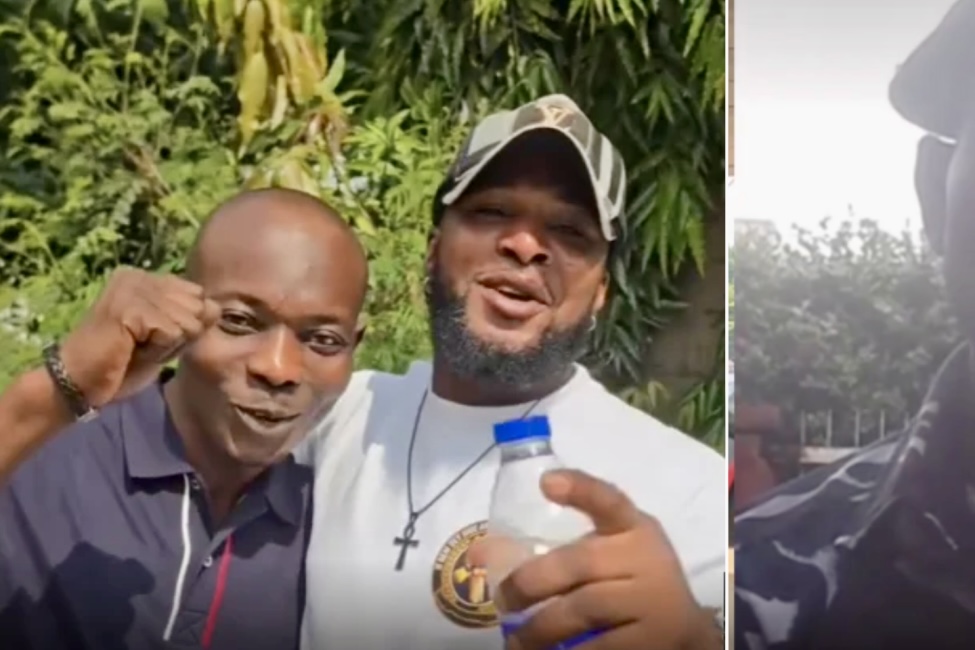
Locally, the move has been welcomed by NINAS and its spokesman, Tony Nnadi. He told supporters that the report “firms up the implementation of US policy actions pursuant to the CPC designation.” It aligns with propositions the group took to American interlocutors during 2019 ministerial engagements.
Nnadi’s commentary is posted on social platforms and circulated to sympathisers. It frames Washington’s posture as vindication of long-standing complaints. These complaints concern state complicity and the need for constitutional overhaul.
That endorsement matters because it ties domestic advocacy networks to foreign pressure. But it also raises complex questions about agency. It questions ambitions and the possible leverage of external actors in Nigeria’s fraught political contest.
NINAS’s propositions are politically explosive. They include calls for suspension of the 1999 constitution and radical reconfiguration of the federation. These propositions will complicate any U.S. attempt to work through established Abuja channels.
Abuja’s response
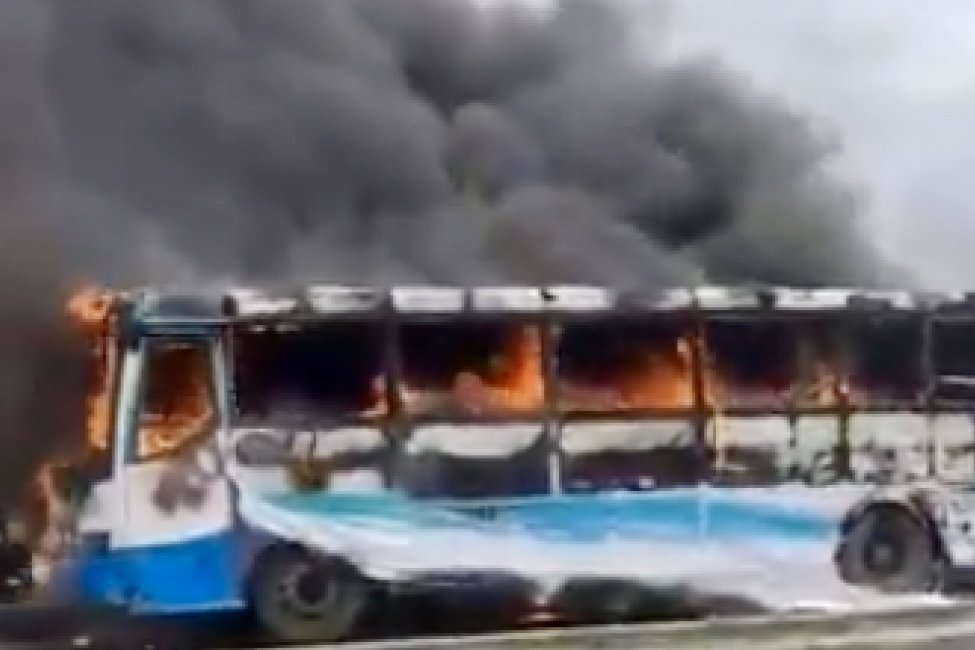
The Nigerian government has uniformly rejected the narrative that its policies are designed to target Christians. Officials and senior security figures have repeatedly described the violence as driven by terrorism, banditry, and criminality. They emphasize that it is not state-sponsored persecution.
Abuja warns that punitive U.S. measures could undermine cooperative counter-terrorism efforts and inflame nationalist sentiment.
Reuters reporting and official statements reveal a government’s strong focus on terrorism as the main security issue. The government emphasizes its casualty and arrest figures in the fight against militants.
Risk of escalation and policy trade-offs
The United States faces acute trade-offs. Conditioning aid or applying sanctions could pressure reform, but it may also weaken channels for intelligence sharing and counter-insurgency cooperation.
Military or quasi-military options were intimated in overheated public statements in late 2025. These options are likely to be politically toxic in Nigeria. They could also provoke regional instability.
Analysts warn about the risks of external coercion. It might fail to distinguish between criminal militias and the legitimate security apparatus. Such failure risks bolstering hardline actors on all sides.
Domestic political stakes are high. Pressure on Abuja could harden narratives. Some Nigerian elites may claim that foreign actors are meddling or weaponising religion for geopolitical ends.
That narrative can be exploited by militants. Extremist recruiters use it to frame violence as resistance to external interference.
What to watch next
Practical indicators to monitor are clear:
- Whether the White House endorses specific conditionality such as funding cuts, sanctions lists and visa restrictions;
- Whether Congress follows with enabling legislation;
- And whether the Nigerian administration responds with transparent, verifiable measures to protect communities and investigate alleged abuses.
The Appropriations Committee’s handover marks a policy inflection point. The next steps will test whether Washington seeks targeted reform through engagement. It may also test if they target reform through pressure, or a combination of both.
Conclusion
The Moore report has crystallised an uneasy moment in Nigeria–U.S. relations. It offers Washington a set of instruments to press for change but also thrusts difficult trade-offs into sharp relief.
For Nigeria, the test will be whether the administration can translate defensive rhetoric into credible, verifiable action. This action should protect communities and prosecute perpetrators. It also needs to address the deep structural causes of violence without ceding sovereignty or fuelling polarisation.
For international observers, the ethical imperative to defend religious freedom must be balanced with a sober appraisal of local realities. They must also consider the long game of state building and nation building.
Follow us on our broadcast channels today!
- WhatsApp: https://whatsapp.com/channel/0029VawZ8TbDDmFT1a1Syg46
- Telegram: https://t.me/atlanticpostchannel
- Facebook: https://www.messenger.com/channel/atlanticpostng