The Ohanaeze Youth Council has accused the two opposition heavyweights of covertly working against Peter Obi and the South’s chances, as fears grow that the ADC is already sliding into another fatal power struggle.
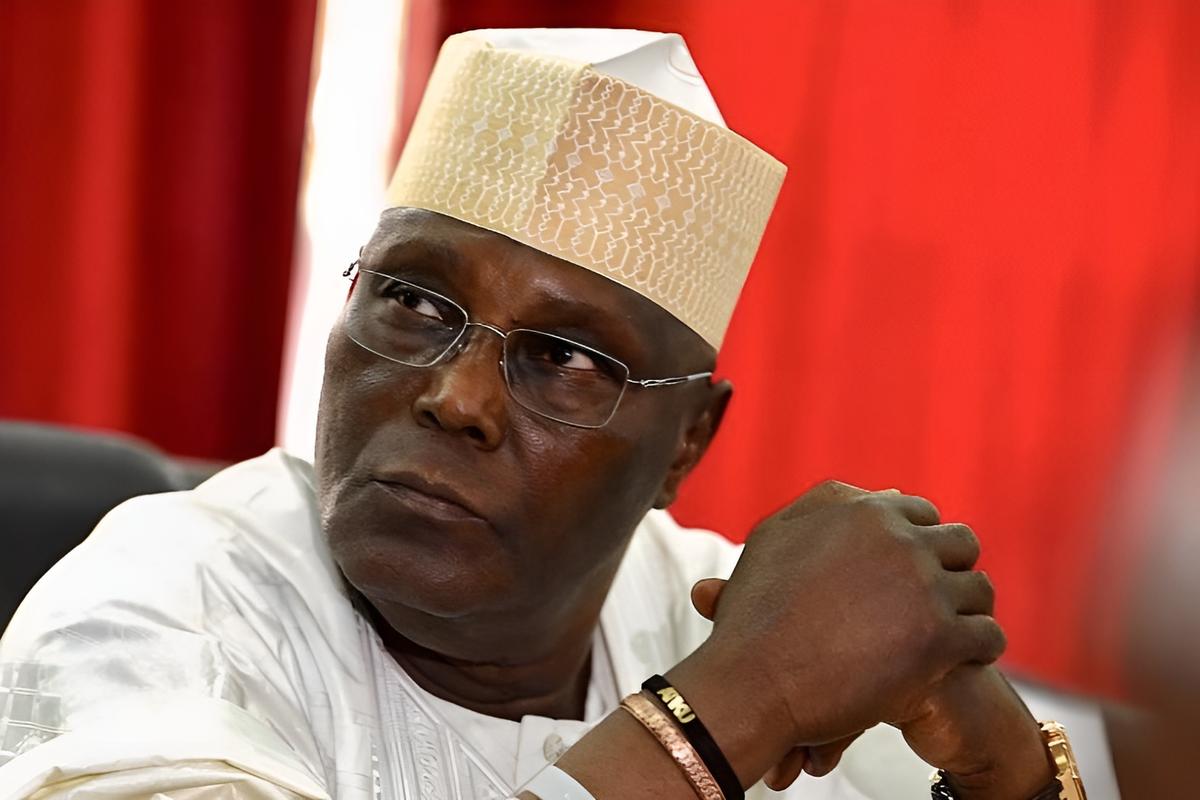
The Ohanaeze Youth Council has detonated a fresh political crisis inside Nigeria’s opposition ranks, accusing former Vice President Atiku Abubakar and former Imo State Governor Emeka Ihedioha of working as “moles” for President Bola Ahmed Tinubu.
The allegation, made in Abuja on Friday, has sharpened tensions around the African Democratic Congress, which is being positioned by some opposition figures as the vehicle for a 2027 rescue mission. Instead, the party is now being dragged into a storm of suspicion, regional bitterness and power struggle.
The OYC said Atiku and Ihedioha were not acting in the interest of the opposition but were instead helping to weaken the chances of a credible challenge to Tinubu. Its National President, Igboayaka O. Igboayaka, described the unfolding drama as a calculated sabotage of opposition unity.
He argued that the mistakes which tore the Peoples Democratic Party apart in 2023 were being repeated. According to him, Atiku’s insistence on power politics, despite the long-standing North-South balancing principle, helped wreck the PDP’s presidential chances and could now do the same damage to the ADC.
That argument goes straight to the heart of Nigeria’s most explosive political fault line. In a country where zoning, rotation and elite bargains often decide who gets power before the ballot box does, any coalition that appears to tilt too heavily towards one side is already in danger.
The OYC insisted that after eight years of Muhammadu Buhari’s presidency, the South should have been allowed to produce the next president. It said the PDP’s internal crisis deepened because both the party’s national chairman and its presidential candidate emerged from the North, a move it now says should not be repeated in the ADC.
In a striking twist, the group also came to the defence of Nyesom Wike, the Minister of the Federal Capital Territory and former Rivers State Governor, saying his conduct during the PDP crisis was not the real problem.
The real issue, it claimed, was Atiku’s refusal to step back for a southern candidate. That defence of Wike is politically significant because it shows how deep the opposition’s internal blame game has become. Old enemies are now being reassessed, not out of trust, but out of convenience.
The OYC then turned its fire on the ADC itself. It warned that the party could collapse under the weight of another North-led ticket arrangement, especially with David Mark as national chairman and Atiku reportedly interested in the party’s presidential ticket.
To the group, that combination is politically toxic. It said it could trigger rebellion, deepen mistrust and finally hand Tinubu an easier path to re-election.
At the centre of the allegation is a more dangerous claim. The OYC says there is an active scheme inside the ADC to frustrate Peter Obi and push Atiku to the front. It accused several political actors of quietly working to ensure Obi is boxed out while Atiku emerges as the candidate.
Among those named was actor-turned-politician Kenneth Okonkwo, who the group said was helping build the internal arrangement against Obi. It also singled out Ihedioha, accusing him of placing loyalists in Imo State structures to weaken Obi’s base and shift influence away from the former Anambra governor.
The allegation is serious because it taps into a recurring fear among Obi’s supporters, namely that every opposition alliance eventually becomes a trap set by older political power blocs to contain his rise.
That suspicion has followed every major opposition realignment since the 2023 election. Obi remains one of the strongest political symbols in the South-East and among younger voters, but his path to 2027 may be shaped less by popularity than by the ability of rival coalition builders to stop trading in betrayal.
The OYC went further, saying Atiku’s interest in the 2027 race is not about a genuine opposition rescue but about splitting anti-Tinubu votes now and keeping his own path open for a future return in 2031.
That claim is the sharpest in the entire outburst. It suggests a cold calculation in which opposition unity is not the goal but the bargaining chip. Tinubu wins in 2027, the argument goes, while Atiku preserves his ambitions for another round later.
In that reading, the opposition is not fighting one battle. It is fighting two. One is against Tinubu. The other is against itself.
The OYC’s 72-hour ultimatum to Peter Obi has now added yet another layer of drama. The group demanded that he leave the ADC immediately and find another platform if he hopes to remain viable in 2027.
That call is likely to deepen the confusion rather than resolve it. It places Obi in the centre of a contest he did not publicly start, while forcing the opposition to confront a brutal truth. It may not have enough trust, discipline or unity to survive the road to 2027.
For now, the wider significance is clear. The OYC has not merely accused two politicians of disloyalty. It has exposed the raw nerve of the opposition’s internal war. If the ADC cannot settle its ticket question, define its power-sharing logic and manage its competing ambitions, it risks collapsing before the race even properly begins.
And that may be the biggest gift of all to Tinubu.
Follow us on our broadcast channels today!
- WhatsApp: https://whatsapp.com/channel/0029VawZ8TbDDmFT1a1Syg46
- Telegram: https://t.me/atlanticpostchannel
- Facebook: https://www.messenger.com/channel/atlanticpostng