The West Virginia congressman says Nigeria is moving too slowly on attacks against Christians, even as a White House report demands sanctions, aid pressure and a new security pact.
WASHINGTON is turning up the heat on Nigeria again. In a hard-edged Newsmax interview, Congressman Riley Moore said the White House had received a report on what he called the persecution of Christians in Nigeria and warned that if Abuja does not move faster, “we’re going to address it for them.”
He said President Donald Trump asked him and House Appropriations Chairman Tom Cole to investigate and produce the report.
Moore anchored his argument on two recent attacks he cited on air: what he described as 40 people killed during a Palm Sunday service and 13 Christians killed at a wedding on the same day.
Those casualty figures were presented by Moore as part of his case for tougher U.S. action.
The congressional paper behind the latest pressure campaign is even more aggressive than Moore’s broadcast language.
The House release says the report was formally presented to the White House on 23 February 2026. This followed months of investigation. These included a bipartisan fact-finding trip to Nigeria, hearings, and meetings with internally displaced people. There were also consultations with Nigerian officials.
Its recommendations include a bilateral U.S.-Nigeria security pact, sanctions, visa restrictions, tighter aid conditions, technical support against armed Fulani militias, and pressure to repeal sharia and blasphemy laws.
The report’s tone is incendiary. In the document’s own language, it says Nigeria is the “deadliest place in the world to be a Christian” and argues that Washington should use leverage until Abuja acts.
It also calls for donor-backed humanitarian support for displaced communities, especially in the Middle Belt, and says future assistance should be tied to measurable progress.
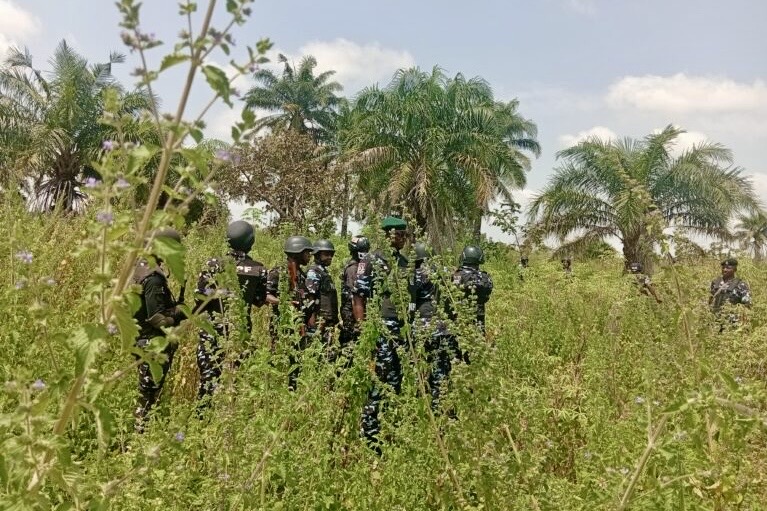
But the facts on the ground are not as simple as the political messaging suggests. Reuters reported in March that multiple MQ-9 drones were operating in Nigeria alongside about 200 U.S. troops providing training and intelligence support, while a separate Reuters report said the U.S. and Nigeria had cooperated on a Christmas Day strike against Islamic State-linked militants in the north.
Moore pointed to both the drones and the strike as proof that Washington is already inside the security fight.
Nigeria’s government rejects the genocide framing. Reuters reported that Abuja says there is no “Christian genocide” and insists its forces are battling insecurity across religious lines, not persecuting one faith.
AP has likewise described the north as a complex security theatre where Islamic militants, armed gangs, land disputes and communal violence all intersect, with both Christians and Muslims among the victims.
Recent AP coverage also recorded church abductions in Kaduna and other attacks showing how fragile the wider security picture remains.
That is the real fault line now. On one side are U.S. lawmakers and religious activists who say Christians are being singled out and want sanctions, pressure and even military reach.
On the other are analysts and Nigerian officials who say the violence is driven by a messy mix of jihadist insurgency, banditry, communal conflict and state weakness, and that turning it into a purely sectarian story risks flattening the crisis.
Reuters has repeatedly reported that the debate has already pushed Nigeria and Washington into a tighter security relationship, whether Abuja likes the language or not.
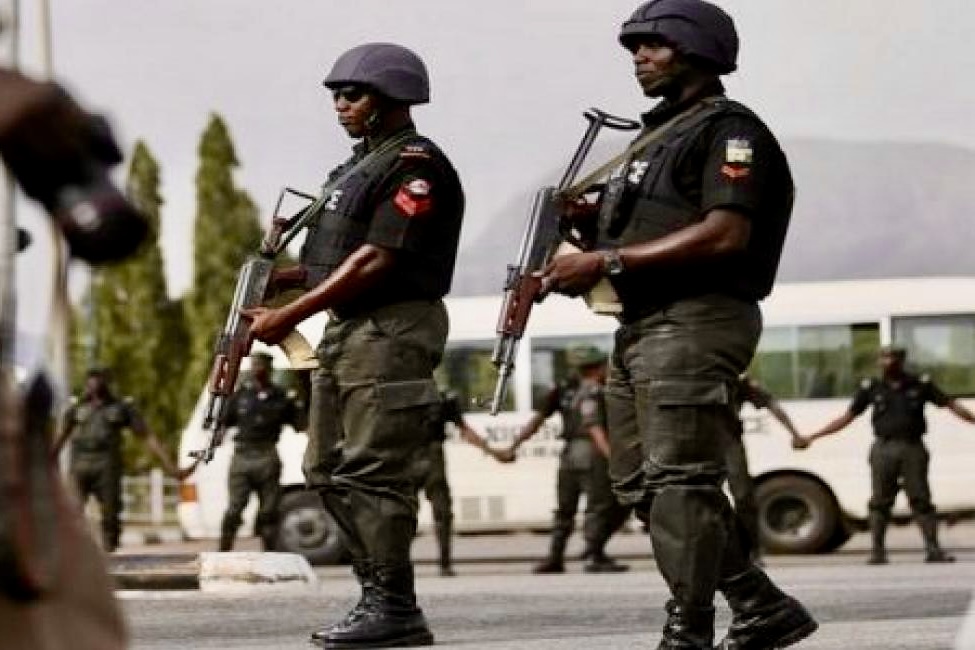
For Abuja, the warning is no longer just diplomatic. The U.S. has moved beyond rhetoric into surveillance, training and selective strikes, and Moore’s latest comments show that the political pressure is still rising.
His blunt line captures the mood in Washington: “Things aren’t happening quick enough.”
This is now a test of sovereignty, security and narrative control. Nigeria wants help on its own terms. Washington is demanding faster action, deeper cooperation and visible results.
The next move will decide whether both sides build a harder partnership against extremists or drift into a louder confrontation over who gets to define the crisis in the first place.
Follow us on our broadcast channels today!
- WhatsApp: https://whatsapp.com/channel/0029VawZ8TbDDmFT1a1Syg46
- Telegram: https://t.me/atlanticpostchannel
- Facebook: https://www.messenger.com/channel/atlanticpostng