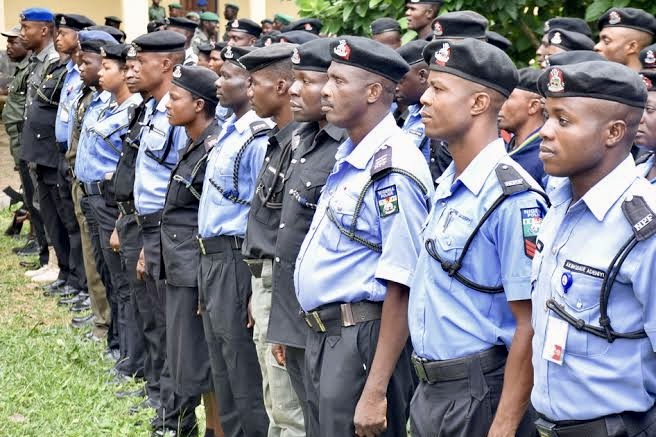
Under unrelenting downpours on 21 July 2025, a band of elderly ex‐police officers gathered at the main gate of Nigeria’s National Assembly in Abuja, their placards pleading for relief from the Contributory Pension Scheme (CPS) that they describe as “exploitative and unjust”.
Leads by CSP Manir Lawal (retd.), 67, the protesters—many in their 60s and 70s—chanted solidarity hymns and vowed to remain until Parliament repealed the CPS mandates for police retirees.
“We have served this country faithfully and deserve to retire in dignity. This scheme has impoverished us,” Lawal declared, his voice cracking over the rain‐soaked plaza.
Despite the drama of dripping uniforms and soggy banners, security operatives maintained a respectful cordon, under direct instructions from Inspector‑General Kayode Egbetokun to ensure both the retirees’ safety and public order.
A 2014 Reform That Betrayed Its Own Heroes
The CPS was established under the Pension Reform Act 2014 to replace the chronically underfunded Defined Benefit (DB) model, which had seen retirees’ entitlements subject to annual budget whims.
Under the new law, every employee must contribute a minimum of 8% of monthly emoluments into a Retirement Savings Account (RSA), matched by a 10% employer remittance—an 18% total that was marketed as “fully funded” and transparent.
Yet, more than a decade on, many beneficiaries report meagre returns and opaque fund management.
Elites’ Escape, Rank‑and‑File Left Behind
Compounding frustrations, senior figures in Nigeria’s security architecture—including directors of the Intelligence Services (DSS), Military Pension Board and even top police brass (AIGs, DIGs, IGP)—have long since secured exemptions from the CPS, leaving lower‐rank retirees to shoulder its burdens.
Nigeria’s Police Force today counts some 371,800 serving officers; thousands retire each year into the same beleaguered scheme, with scant safeguards against inflation or corrupt nibbling at their funds.
Voices of Despair and Defiance
“If I had known this is how the country would treat me after 35 years of duty, I would never have joined,” lamented Adebayo, another retiree, at a subsequent march organised by retired officers’ unions in Kaduna State.
Tunde Malomo, vice‑chair of the Kaduna chapter, warned that the CPS’ paltry payouts drive serving officers toward corruption:
“How do you expect us to protect Nigerians when we bleed from this dubious scheme?”
Parliament’s Moment of Truth
As petitions queue on lawmakers’ desks and hashtags like #PoliceRetireesProtest trend on social media, the National Assembly faces mounting pressure to roll back the CPS for police retirees or supplement it with a special gratuity fund.
With global audiences watching—and U.S. conservative outlets highlighting the retirees’ plight—the coming weeks may define whether Nigeria honours those who once stood in harm’s way.