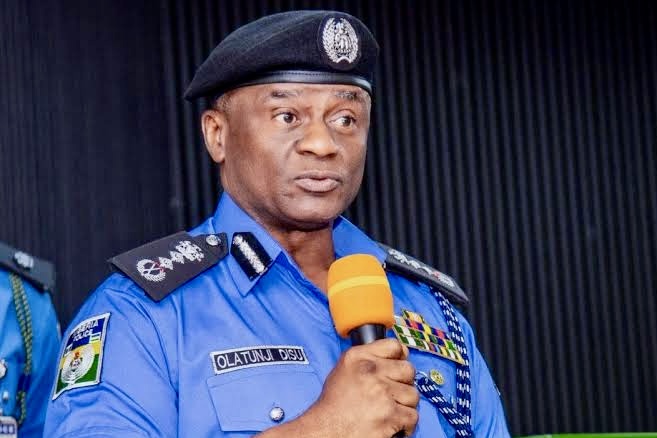
In a startling revelation that has sent shockwaves through the law enforcement community, the Inspector-General of Police, Kayode Egbetokun, has ordered an urgent probe into the welfare and retirement benefits of police pensioners after a retired Superintendent of Police publicly rejected a ₦2 million terminal benefit.
The veteran officer, who served 35 years before retiring on 1 October 2023, decried the lump-sum as “utterly demeaning” in a viral video that has amassed hundreds of thousands of views on social media.
A System Under Strain
Despite landmark reforms under the Pension Reform Act 2014, which ushered in the Contributory Pension Scheme (CPS), implementation gaps persist.
Monthly disbursements under the CPS have risen from ₦8.3 billion to ₦11.9 billion as of 18 June 2025, benefiting over 233,000 retirees.
Yet this increased outlay masks a deeper malaise: countless officers still battle erratic payments, unexplained delays and opaque adjudication processes.
The ₦3 Million Breakdown
According to the retired SP, his approved benefits comprised ₦1 million in arrears (October 2023 to date) and ₦2 million as his full terminal gratuity.
Shocked by the paltry sum—barely enough to cover two years of rent in Abuja—the ex-officer demanded answers, triggering the IGP’s directive to NPF Pensions Limited to “identify any possible lapses and ensure appropriate action”.
Historical Context and Harsh Realities
Since the CPS’s inception, pension assets under management have ballooned to an estimated ₦14.99 trillion as of December 2022, with over 9.8 million contributors.
Yet from inception to September 2022, 315,112 retirees collected monthly pensions totalling ₦13.88 billion and lump sums of ₦887.6 billion, while life-annuity beneficiaries received ₦5.95 billion monthly and ₦193.32 billion in lump sums.
These figures suggest that, on aggregate, the system functions—but for individual officers like this SP, bureaucracy and underfunding deliver a bitter taste of neglect.
Critical Analysis: Reform vs. Reality
The government’s commitment to clearing ₦758 billion in arrears and introducing a full gratuity scheme (100 per cent of final gross pay) at an annual cost of ₦35 billion marks genuine progress.
However, if officials on the ground continue to encounter paltry, delayed and opaque payments, morale will plummet, with far-reaching consequences for institutional integrity and public safety.
Call to Action: Transparency and Accountability
For the IGP’s investigation to restore faith, it must culminate in publicly accessible audit reports, clear timelines for arrears clearance and streamlined payment protocols.
Only then can Nigeria’s brave men and women in blue be confident their years of service will be honoured with dignity, not derided by disdain.