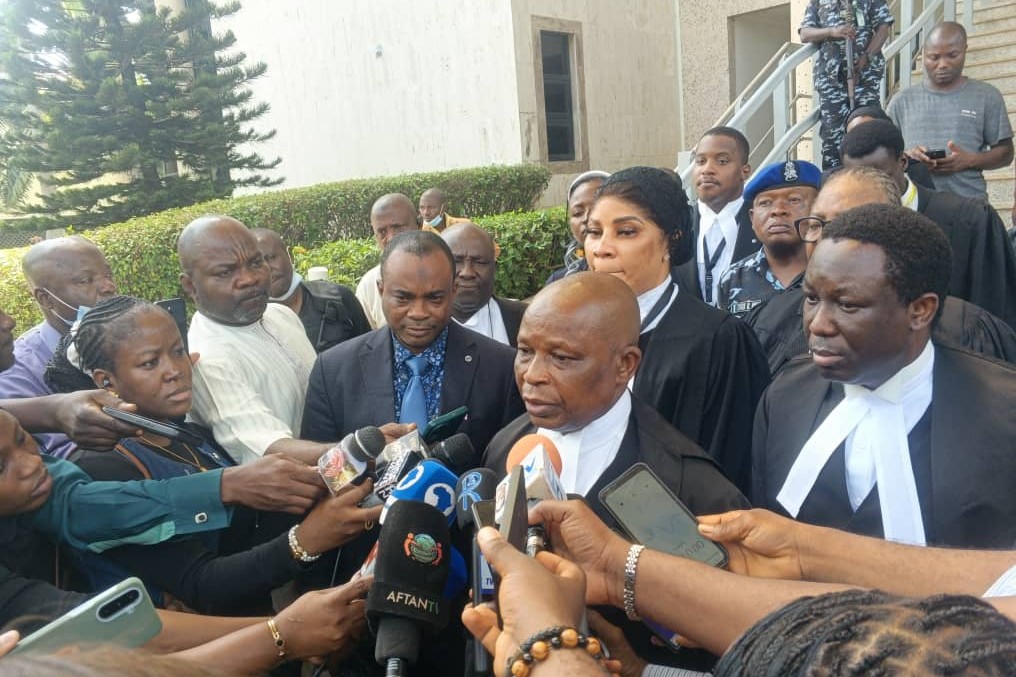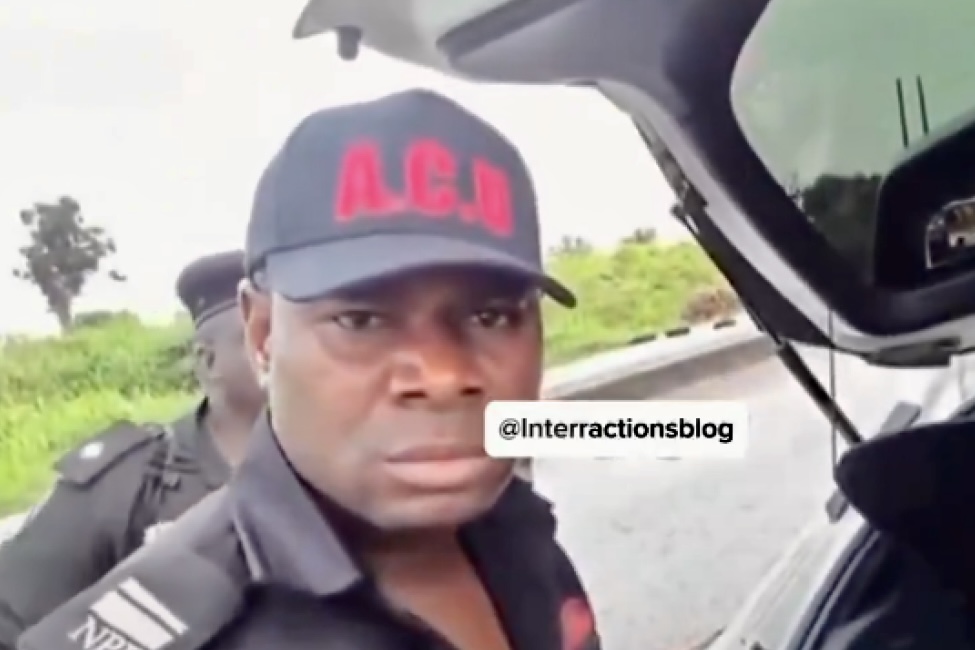
The controversy surrounding the death of Deputy Superintendent of Corps Agada Levi Agada, an officer of the Nigeria Security and Civil Defence Corps and a pastor, has widened into a full-blown institutional crisis, with the Nigeria Police Force reportedly arresting three NSCDC Mining Marshals officers while investigators examine alleged suspicious transfers said to run into more than ₦2 billion.
Reports say the case has now moved beyond a simple death inquiry and into a dispute over evidence, money trails, burial support and conflicting narratives about what actually happened at Rafin Gabas, an area variously described in recent reports as being in Nasarawa State and in the Agwada axis of Nasarawa or Kaduna.
At the heart of the matter is the family’s petition, which says the official story has not been consistent. In one account allegedly relayed to relatives, bandits attacked the team and several officers died, while another account reportedly said only Agada died and the others were merely detained.
The petition also raises questions about the handling of Agada’s mobile phones, burial arrangements and a ₦3 million payment said to have been made after the funeral.
The family’s lawyers, according to recent reports, have asked the Inspector-General of Police, the National Assembly and the National Human Rights Commission to ensure a thorough probe.
The financial allegation is the most explosive layer yet. According to a police source quoted by SolaceBase, investigators “traced over N2 billion” into a Zenith Bank account allegedly linked to Sergeant Jibrin Labaran, while the same report says other suspicious transfers are being tracked across accounts linked to other suspects.
That claim has triggered intense public scrutiny because it suggests the death inquiry may be tied to a wider corruption or illegal mining network rather than an isolated operational incident.
The NSCDC leadership, however, is pushing back hard. In a detailed response reported by Leadership, Mining Marshals Commander John Onoja said the online claims were “false, misleading and aimed at undermining” the unit.
He insisted that the account in question showed only routine salary activity, saying the bank statement reflected total debit and credit figures of less than ₦1 million over the past year, not ₦2 billion.
SolaceBase carried a similar defence from Onoja, who said, “Everything you saw in the publication is completely false,” and added that the case was already before the appropriate authorities.
The commander has also tried to recast the matter as an inter-agency battle over illegal mining enforcement.
PRNigeria reported that Onoja petitioned the Inspector-General of Police in a 16-page complaint, alleging a “grand conspiracy” by a police team identified as Team N to discredit the Mining Marshals through fabricated allegations and arrests.
The same report says he urged law enforcement agencies to “work in synergy” and accused officers of trying to frustrate the unit’s operations at disputed mining sites.
The Nation likewise reported that Onoja asked for the matter to be transferred to the Department of State Services for “an impartial review.”
That petition is important because it suggests the case is not only about one death but about a bigger fight over who controls enforcement in Nigeria’s mining corridors.
According to PRNigeria and The Nation, Onoja said the deceased officer’s family had expressed satisfaction with the unit’s support, and he maintained that the Mining Marshals provided burial assistance and widow support.
He also said the unit had no knowledge of foul play from its management side and described the police action as part of a longer-running institutional dispute.
Still, the family’s side remains deeply troubled. Legit reported that the petition cited “criminal conspiracy, unlawful killing, and violation of the fundamental right to life” as possible issues to be examined, while also noting that medical information allegedly indicated the fatal injury may have come from an accidental discharge from an NSCDC officer’s firearm.
The family’s insistence on independent scrutiny is understandable because conflicting explanations from the same chain of command usually weaken public confidence, especially when evidence handling, mobile phones and burial payments are also being contested.
For now, the biggest question is not just who fired the shot, but whether the institutions involved can still produce a credible, uninterrupted chain of evidence.
PRNigeria reported that the police had invited a long list of Mining Marshals personnel for questioning and that several failed to appear, while SolaceBase said the officers under scrutiny were invited after the family’s petition triggered the Force Intelligence Department’s inquiry.
If those invitations were indeed ignored, the matter could harden into a confrontation between two armed institutions at a moment when Nigerians are already demanding cleaner accountability from the security sector.
What makes the case politically and institutionally sensitive is the possibility that it combines three volatile elements at once: a disputed death, an alleged money trail and claims of inter-agency interference.
That combination is enough to keep public suspicion alive until investigators release a clear timeline, identify the officers who were present, explain the hospital records, and state whether the financial trail was legitimate salary flow, operational funding or something more serious.
Until then, the story remains a live test of transparency, evidence preservation and command responsibility within Nigeria’s security architecture.
Follow us on our broadcast channels today!
- WhatsApp: https://whatsapp.com/channel/0029VawZ8TbDDmFT1a1Syg46
- Telegram: https://t.me/atlanticpostchannel
- Facebook: https://www.messenger.com/channel/atlanticpostng