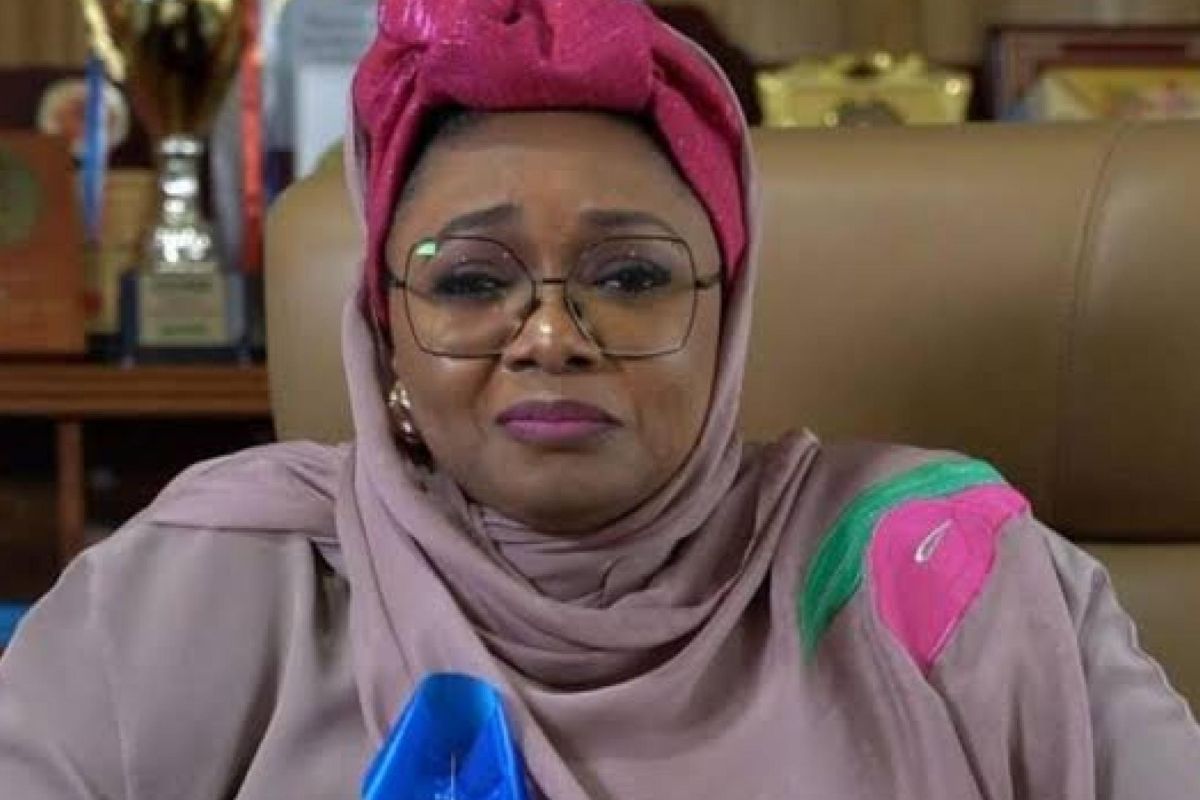
In a scathing rebuke aired on Channels Television’s The Morning Brief, Plateau State’s Commissioner for Information, Joyce Ramnap, condemned the Nigerian Army for its astonishing failure to apprehend or neutralise gunmen who slaughtered 27 farmers in Tahoss community, Riyom Local Government Area, on Monday.
Despite military checkpoints barely 200 metres from the scene, Ramnap lamented that “none were arrested and none were captured,” branding such inaction as “inexcusable” given the strategic positioning of security posts.
This latest atrocity forms part of a grim continuum of violence that has seen more than 1,300 souls lost in Plateau between December 2023 and February 2024 alone, as reported by Amnesty International.
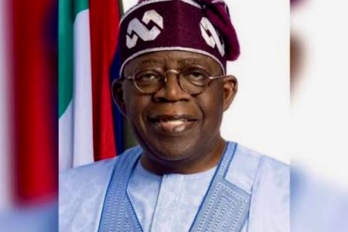
Nigeria’s President Bola Tinubu, who ordered a “thorough investigation” into an April attack that claimed at least 40 lives in Zike village, acknowledged the systemic security collapse that permits armed herders to maraud with impunity.
Local residents speak of homes razed and bodies left to rot, fuelling fears of an orchestrated campaign against farming communities.
Historical precedent amplifies the gravity of the current debacle. Over the Christmas period of 23–25 December 2023, coordinated massacres in Bokkos and Barkin Ladi LGAs resulted in approximately 200 fatalities and hundreds of injuries, eliciting international outrage and calls for an independent inquiry.
In April 2025, simultaneous raids across Bokkos and Bassa LGAs left over 100 dead and prompted Governor Caleb Mutfwang to impose draconian bans on night grazing and motorcycle use, measures hailed as desperate but necessary to curb the bloodshed.
The pattern emerging is one of security forces reacting belatedly rather than proactively. Despite sporadic gallantry among some soldiers, Ramnap warned that “bad eggs” within the ranks undermine collective efforts, describing the Tahoss carnage as not merely criminal but tantamount to genocide—echoing Governor Mutfwang’s own stark characterisation.
Such language is not hyperbole: crops were wantonly destroyed, and assailants attacked from three directions, concentrating their fury on worshippers sheltering in a church, where six victims perished in their homes.
President Tinubu’s administration professes sorrow—“Our hearts bleed alongside yours,” he declared following the Christmas carnage—but these words ring hollow without decisive action.
The mobilisation of a special squad by the Inspector‑General, and pledges that “perpetrators will not go scot‑free,” must translate into arrests, prosecutions and systemic reform, not perfunctory statements of condolence.
As global eyes turn to Nigeria’s Middle Belt, the absence of convicted perpetrators risks emboldening militants and deepening ethnic and religious fault lines.
Without tangible accountability, the spectre of genocide in Plateau will only darken further.