ABUJA, Nigeria — The Nigeria Police Force has moved to shut down what is fast becoming a public storm over social-media activist Martins Vincent Otse, popularly known as VeryDarkMan (VDM), and the Assistant Inspector-General of Police in charge of Zone 2, Lagos, AIG Moshood Jimoh.
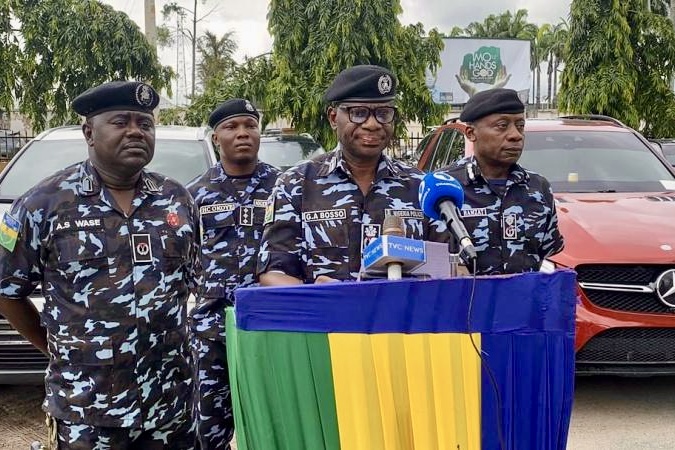
In a statement issued on 4 August 2026, the Force said the matter must be handled through lawful channels, not “the media”, insisting that both the judicial process and its internal disciplinary machinery are already engaged.
At the heart of the police position is the argument that the criminal case now being debated online is already before a court of competent jurisdiction following advice from the Directorate of Public Prosecutions (DPP).
The Force said the matter is therefore sub judice and cannot be properly determined by public campaigns, viral commentary or attempts to pressure officers into a verdict outside the courtroom. In its words, it will not “try this case in the media”
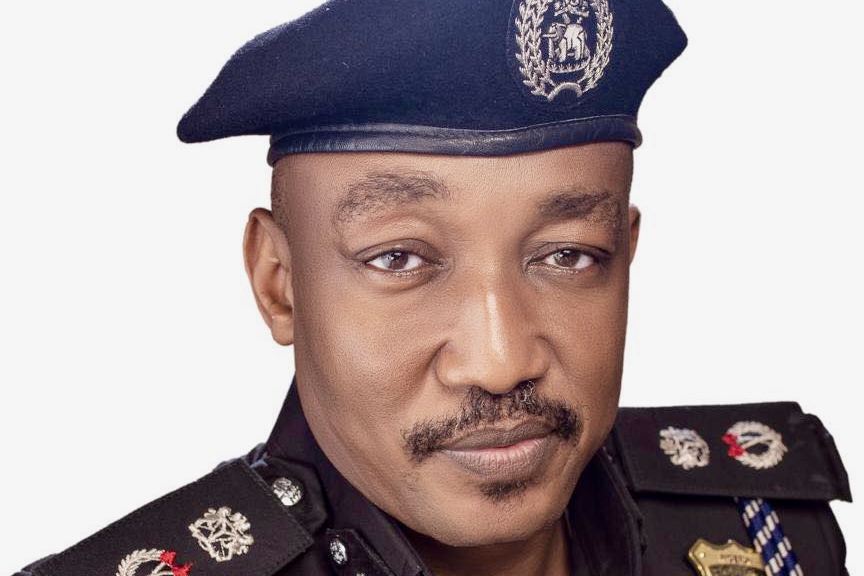
But the statement goes further than a simple defence of procedure. The police also confirmed that the Assistant Inspector-General in charge of the Force Criminal Investigation Department has invited AIG Jimoh for questioning over the allegations, while the Force Criminal Investigation Department in Abuja formally invited VDM on 30 July 2026 to appear and substantiate the claims he has made publicly.
That dual move is significant: it signals that the police are trying to show both accountability and control, particularly in a case that has spilled aggressively into the public space.
The wider controversy, according to contemporaneous reporting, stems from VDM’s repeated accusations over the handling of killings linked to investigations in Lagos.
Premium Times reported that the dispute is tied to the killings of youth leader Sheriff Salami in April 2023 and Ademola Akinloye in August 2024, with businessman Hammed Akanbi later declared wanted, arrested in Benin Republic by INTERPOL and brought back to Nigeria to face prosecution.
VDM has publicly alleged that the investigation was manipulated and has challenged the police to produce original statements from suspects. Those allegations remain allegations unless established in court or by a disciplinary authority.
For the Nigeria Police Force, the timing is delicate. Public trust in policing is already fragile, and any hint that senior officers are insulated from scrutiny can deepen that distrust.
That is why the Force has been careful to stress that no rank confers immunity. It said the same disciplinary rules apply to every officer, citing the Constitution, the Police Act 2020, Police Regulations, Force Orders and other administrative procedures as the framework governing conduct inside the Force.
The statement also tries to strike a balance between accountability and reputation protection. On one hand, the Force reaffirmed Nigerians’ constitutional right to freedom of expression and to demand accountability from public institutions.
On the other, it warned that free speech does not extend to defamation or the spread of unsubstantiated allegations designed to force disciplinary outcomes outside due process. The message is plain: complain, yes; but prove it through the proper channels.
That framing matters because the police are not only responding to a critic; they are also responding to a method. VDM’s brand of activism relies heavily on public pressure, livestreams and social-media escalation. The Force, by contrast, is trying to pull the dispute back into the formal machinery of investigations, internal review and court process.
In effect, the police are telling the public that outrage is not evidence, and evidence is not the same thing as a viral clip. That is the real battle in this row.
The Force further said that any officer found culpable after investigation will be sanctioned in line with the law, while false allegations made to damage reputations could attract legal action.
It also urged VDM to honour the invitation from the FCID and allow both the administrative review and the criminal matter to run their lawful course.
That invitation now becomes the key test: whether the activist appears, whether the police disclose more of their internal review, and whether this confrontation produces accountability or simply more noise.
What is clear is that this is no longer just a social-media spat. It is a live test of police transparency, the power of public accusation and the limits of digital vigilantism in a country where institutions are often accused of moving only when they are shamed into action.
The Force has chosen its line: due process first, public trial never. The coming days will show whether that line holds.
Follow us on our broadcast channels today!
- WhatsApp: https://whatsapp.com/channel/0029VawZ8TbDDmFT1a1Syg46
- Telegram: https://t.me/atlanticpostchannel
- Facebook: https://www.messenger.com/channel/atlanticpostng