Explosive Nigerian political crisis as Nyesom Wike warns Governor Fubara against playing God amid a landmark Supreme Court ruling. Explore our in‐depth, critical report on Rivers State’s constitutional showdown and escalating tensions.
PORT HARCOURT, Nigeria — In a dramatic turn of events that has rocked Rivers State and reverberated across Nigeria, political heavyweights have clashed over issues of governance, constitutional propriety, and the rule of law.
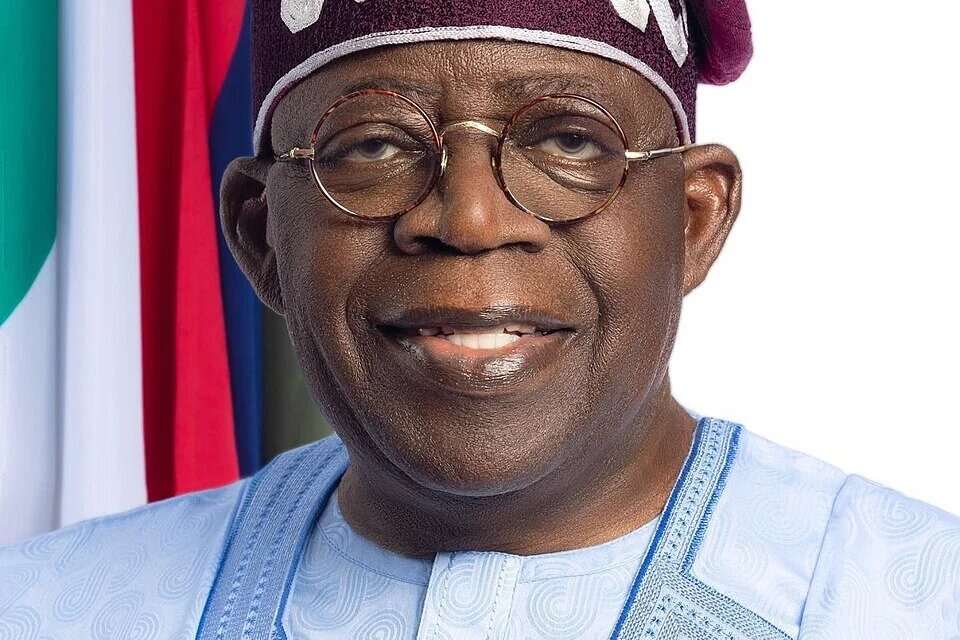
The sensational confrontation between Nyesom Wike—the state’s political godfather and Minister of the Federal Capital Territory—and his estranged political protégé, Governor Siminalayi Fubara, has ignited a fierce debate on the limits of executive power in Nigeria.
With a landmark Supreme Court judgment now in force, the stakes could not be higher as both sides scramble to reassert their authority amidst growing public disquiet and whispers of potential unrest.
A Clash of Titans
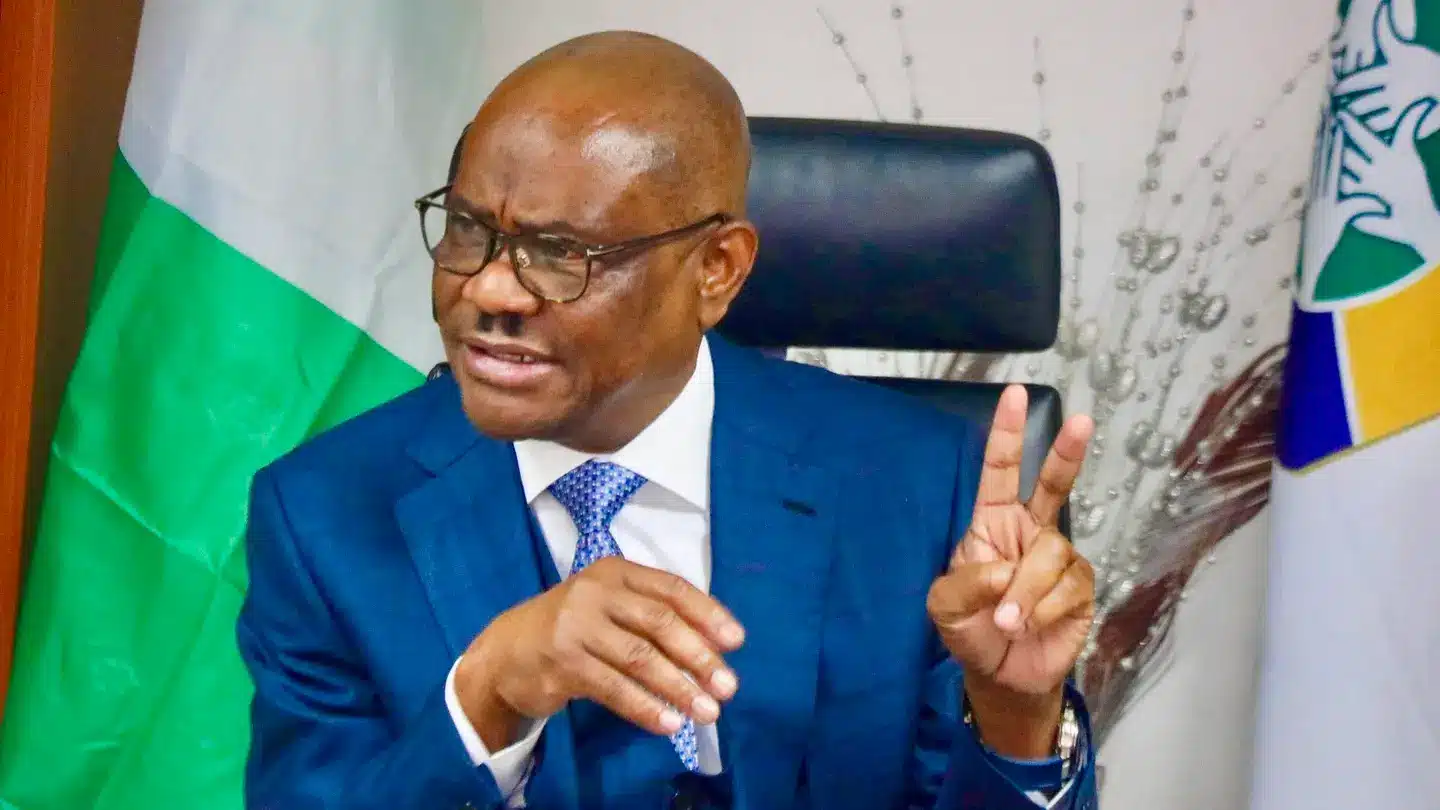
At the heart of this political maelstrom lies a stern rebuke delivered by Nyesom Wike. In a forceful declaration that seemed more a personal admonition than a mere political statement, Wike warned his erstwhile protégé: “You can’t continue to play as if you are God. You must play by the rules.”
Such cutting language is not without precedent in Nigerian politics, but it resonates all the more when uttered by a man with decades of political experience and influence.
Wike’s message is clear: the days of unchecked power are over, and the rule of law must prevail even in the most turbulent of times.
The Supreme Court Judgment and Its Ramifications
The catalyst for this explosive exchange was a recent Supreme Court judgment that has sent shockwaves through Rivers State’s political landscape.
The ruling, which nullified the local government elections, reaffirmed earlier decisions that barred both the Central Bank of Nigeria and the Accountant General of the Federation from disbursing statutory allocations to the state, and validated the legitimacy of the Martin Amaewhule-led Rivers State House of Assembly, has been hailed by many as a critical blow to impunity.
According to insiders, the judgment stands as a landmark intervention that promises to reshape the contours of governance in the state.
Governor Fubara, though vociferously disagreeing with the decision, has committed himself to upholding the legal mandate. His administration awaits certified true copies of the judgment, expected by Friday, 7 March 2025, and is poised to implement the court’s directives.
The move includes the immediate transfer of administrative control over all 23 local government councils to Heads of Local Government Administration, instead of the long-standing caretaker arrangements that have plagued the state’s local government system.
Governance on the Edge
Political analysts have observed that this episode is emblematic of a deeper malaise within Rivers State politics—a crisis of governance where constitutional processes have been repeatedly undermined.
Wike’s accusations against Fubara are particularly damning. He alleges that the governor has not only spent vast sums of state money without legislative oversight but has also undertaken the demolition of the House of Assembly building and made unilateral appointments of commissioners without the requisite input from a duly constituted legislature.
In his searing critique, Wike questioned the very foundations of democratic governance in Rivers State. “Who does that?” he asked, referring to Fubara’s unauthorised spending of trillions of naira.
Such remarks have fuelled speculation that Fubara’s actions could be deemed an impeachable offence—a charge that would have profound implications for his political future.
In condemning the demolition of the legislative building, Wike underscored the indispensable role of a functioning legislature as the bedrock of democracy.
His stance is clear: the Governor must not bypass constitutional checks and balances, no matter how formidable his political ambitions may be.
The Constitutional Crisis Unfolds
The Supreme Court’s intervention marks a pivotal moment in Nigeria’s ongoing struggle to balance executive authority with legislative accountability.
By nullifying the local government elections and stripping Rivers State of key financial allocations, the judgment not only punishes past missteps but also sets a precedent for future governance.
Wike’s endorsement of the ruling, expressed in no uncertain terms, reinforces the judiciary’s position as the guardian of constitutional order. He declared that the judgment is a “significant step in upholding the rule of law” and a necessary measure to end the era of impunity that has long beset the state.
Yet, despite the legal clarity provided by the court, the political fallout remains deeply contentious. Governor Fubara’s reluctant acceptance of the ruling, coupled with his insistence that his administration has always operated within the bounds of constitutional law, does little to mollify his critics.
His call for calm and patience among the citizenry is met with scepticism by those who fear that the current administration’s defiant stance could lead to further instability and unrest.
The High Stakes of Accountability
This high-stakes political drama is not just an isolated episode but a microcosm of the broader challenges facing Nigeria’s democratic system. The tension between the executive and the legislature has deep historical roots, and the recent events in Rivers State only serve to amplify these fault lines.
Wike’s uncompromising insistence on adhering to the rule of law and constitutional procedures is a rallying cry for accountability—a call for political leaders to remember that no one, regardless of their power or influence, is above the law.
Fubara’s commitment to following the Supreme Court ruling, despite his initial misgivings, suggests that he is aware of the gravity of the situation.
In his broadcast from Government House, Port Harcourt, he urged residents to remain calm and to continue with their daily activities as the state navigates this turbulent period.
His message, however, does little to dispel the fear that the current crisis could escalate into a full-blown constitutional crisis, with long-term ramifications for the stability of Rivers State and, by extension, Nigeria.
Call for Order Amidst Turbulence
The unfolding drama in Rivers State is a stark reminder that democracy is a fragile construct, one that requires constant vigilance and a steadfast commitment to the rule of law.
The Supreme Court’s judgment, while a victory for constitutionalism, has laid bare the systemic issues that have long plagued Nigerian governance. As political leaders from all sides of the spectrum continue to jostle for power, the need for clear, accountable, and transparent governance has never been more urgent.
In his final exhortations, Wike urged Governor Fubara to “obey the Supreme Court judgment” and to work collaboratively with the legitimate House of Assembly. He warned that any attempts to circumvent constitutional processes would only hasten the state’s descent into chaos.
For many Nigerians, this is a timely reminder that the rights and resources of the people must be protected from the whims of a few powerful individuals.
Looking Ahead: A Fragile Peace?
As Rivers State braces for the implementation of the Supreme Court ruling and the subsequent overhaul of its local government system, the political landscape remains as volatile as ever.
The coming weeks will be critical in determining whether the state can achieve a semblance of constitutional order or whether the simmering tensions will boil over into widespread unrest.
For seasoned political observers and the international community alike, this is a test of Nigeria’s commitment to democracy—a battle between the forces of accountability and the enduring allure of autocratic rule.
In conclusion, the clash between Nyesom Wike and Governor Siminalayi Fubara is more than a personal dispute; it is a defining moment in the struggle for democratic governance in Nigeria.
As the Supreme Court’s judgment takes effect and the state embarks on a path towards reform, the message is unequivocal: power must be exercised within the strict confines of the law.
Only time will tell whether Rivers State can rise above its internal divisions to forge a future that honours the principles of accountability, transparency, and justice.