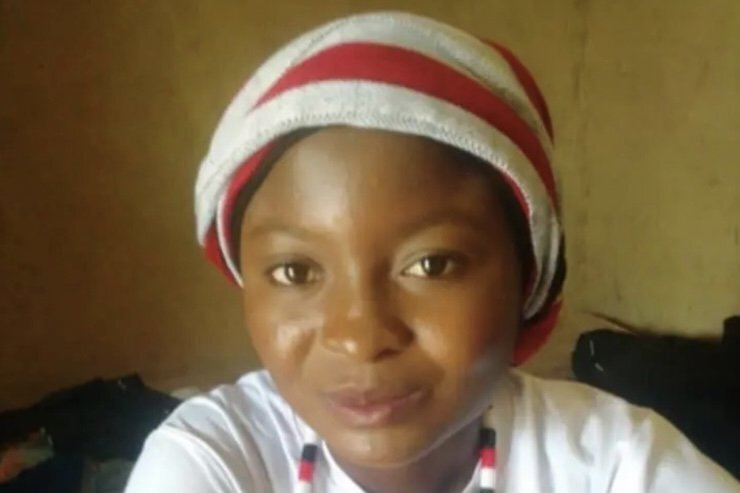
A fresh storm is brewing in Kaduna State after the family of 17-year-old Jinkai Yusuf Simon accused unnamed individuals of abducting the Christian schoolgirl, forcing her conversion to Islam and marrying her off in Kano under a new identity.
What began as a missing persons case on 9 March 2026 has now snowballed into a disturbing tale of alleged coercion, document falsification and official silence, with the family insisting that the teenager was not only taken without consent but also denied the protection of the authorities after repeated reports to community leaders, security agencies and child protection bodies.
The allegations, if proven, would raise grave questions about child rights, religious freedom, identity fraud and selective justice in northern Nigeria.
According to her family, Jinkai – a Christian SS1 pupil at St. Bartholomew’s Secondary School in Wusasa, Zaria – left home for school on 9 March 2026 and never returned.
Suspicions rose when a neighbour reported seeing Jinkai’s school bag carried to a friend’s house.
Further investigation revealed she had packed most of her personal belongings, suggesting a premeditated plan.
According to her sister Jennifer, Jinkai had been in contact with a man identified as “Abdulsamad”. He initially confessed to being her boyfriend, then later denied any involvement.
Classmates say Jinkai had mentioned moving to Kano to live with this Muslim boyfriend. The school confirmed she was present on 9 March but left an exam early, promising to return – and then disappeared.
Convinced this was not a coincidence, the family reported her missing, alerting the Sarkin Wusasa (village head) and other community leaders.
Despite involving both religious and government authorities, the family says no progress was made.
They even approached the Department of State Services (DSS), but weeks later there is still no trace of Jinkai.
The family says Jinkai was photographed in a hijab and presented under a new name in official papers. They were shown documents – allegedly issued in Kano State – stating her name had been changed to “Aisha Sani” or “Aisha Abdulsamad”.
These documents list her as a Muslim female under the guardianship of a man named Abdulsamad, with an altered age. One such affidavit even falsifies her birth date, declaring she was 19 years old and consenting to a marriage, with her sister Jennifer and their parents listed as if they had consented.
The family rejects these papers as fabrications. Under Nigeria’s Child Rights Act (2003), anyone under 18 cannot legally marry.
Jinkai’s birth certificate (issued 8 January 2009) shows she is only 17, a minor with no legal capacity to consent. Human Rights Watch emphasises that the federal law prohibits underage marriage and that several northern states (including Kano) still struggle to enforce an 18-year minimum marriage age.
If the Kano affidavit is genuine, it would mean authorities deliberately falsified her age and identity to cloak a forced marriage – a grave human rights and legal violation.
Advocacy groups note this case fits a disturbing pattern in Nigeria’s Sharia-implementing northern states. Christian Solidarity International reports that in these regions, “minor Christian girls risk being abducted, forcibly converted to Islam and then married off”.
Many cases have surfaced in recent years. Activists warn that selective enforcement fuels mistrust and sectarian tension. The family’s pastor, Rev. Mohammed Mohammed, condemned the alleged abduction, conversion and child-marriage as “violations of a child’s rights,” and is calling for urgent intervention by the DSS, police and child protection agencies to secure Jinkai’s safe return.
Observers point out that in a similar high-profile case earlier this year, authorities acted swiftly. In February 2026, 15-year-old Walida Abdulhadi Ibrahim – a Muslim girl from Jigawa – was taken into DSS custody, and following intense pressure she was handed over to her state government.
Her case, involving alleged abduction and conversion, provoked national outrage and a united response from both government and Islamic organisations.
The speed of that resolution contrasts sharply with the current inaction over Jinkai’s case, prompting critics to decry a double standard.
For now, Jinkai’s family continues to seek answers. They have submitted her birth certificate (validating her January 2009 birth) to authorities and insist the Kano documents are “fake” inventions.
They are appealing not only to security agencies but also to human rights organisations to investigate the disappearance of a minor and ensure her protection.
As one family statement put it, Nigerian children of all faiths deserve “safety and the protection of their rights,” regardless of background.
Follow us on our broadcast channels today!
- WhatsApp: https://whatsapp.com/channel/0029VawZ8TbDDmFT1a1Syg46
- Telegram: https://t.me/atlanticpostchannel
- Facebook: https://www.messenger.com/channel/atlanticpostng