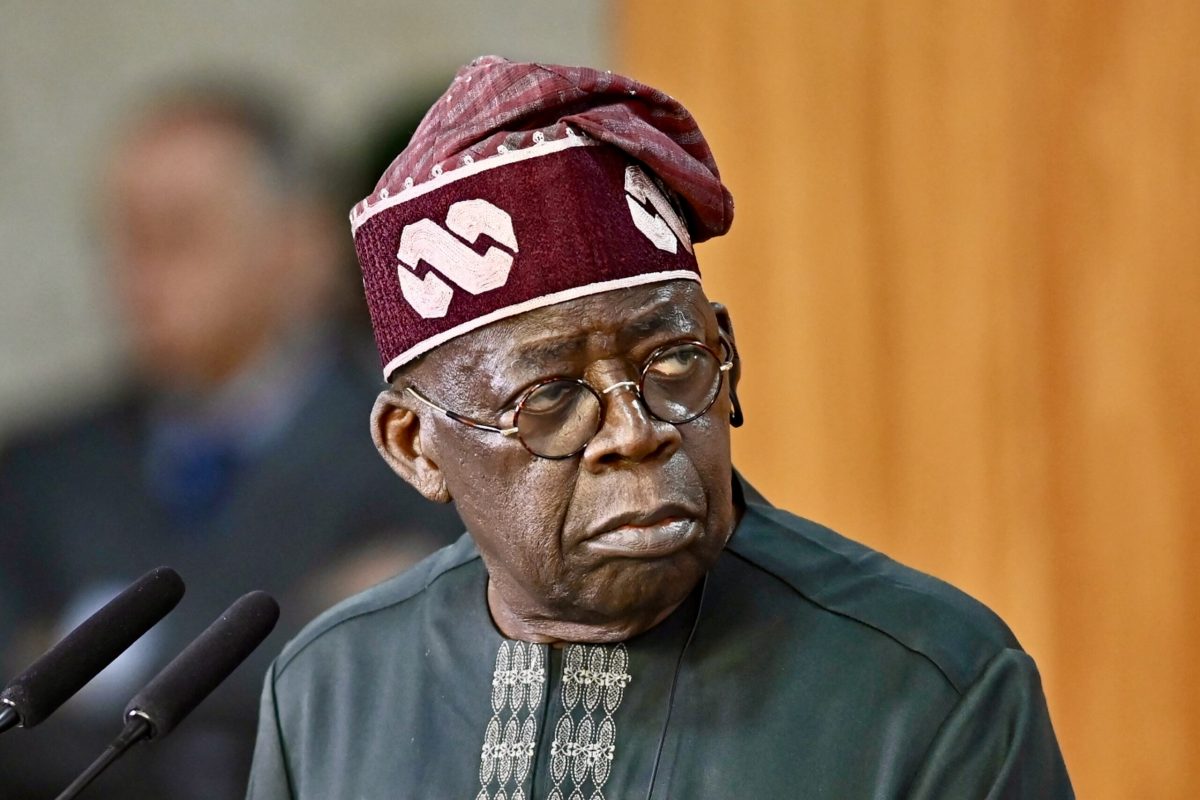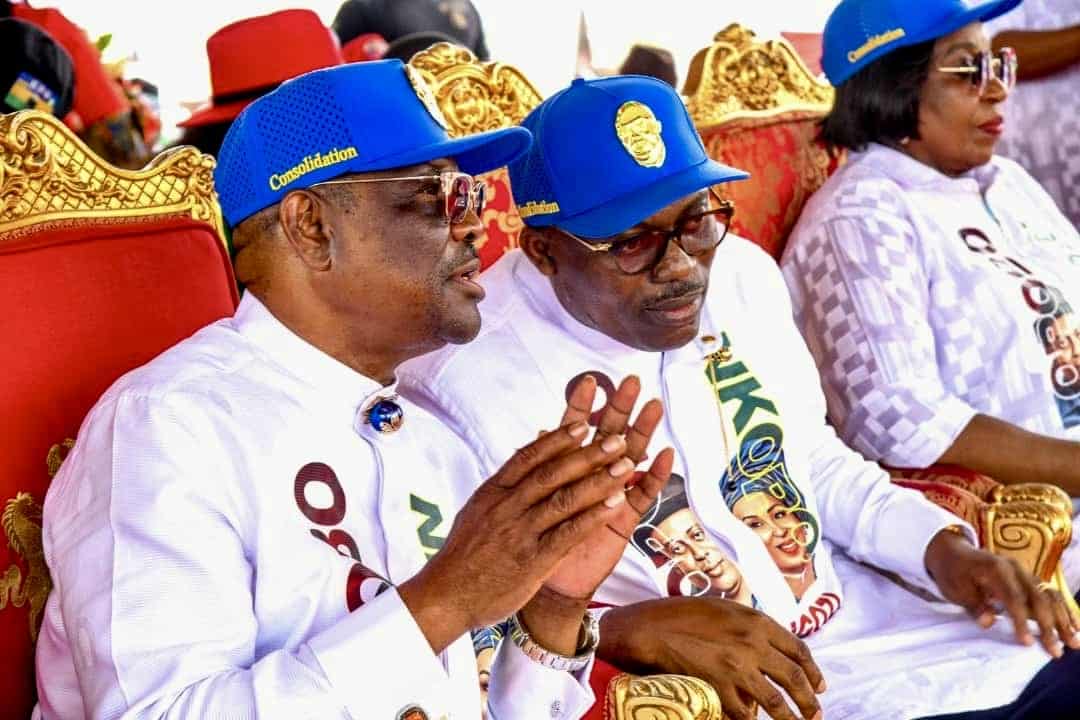
Estranged allies Nyesom Wike and Siminalayi Fubara begin mediated talks under Osoba, ending a two-year Rivers State crisis that shook Nigeria’s politics.
PORT HARCOURT, Nigeria – In a dramatic turn of events in Rivers State, estranged political allies Nyesom Wike and the suspended Governor Siminalayi Fubara have initiated peace talks under the mediation of former Ogun State Governor Olusegun Osoba, marking a potential end to a feud that has paralyzed the state for nearly two years.
The dialogue follows President Bola Tinubu’s controversial declaration of a state of emergency on 18 March 2025, which led to Fubara’s suspension and the appointment of retired Vice Admiral Ibok-Ete Ibas as sole administrator—a move challenged by 11 PDP governors at the Supreme Court.
While the Peoples Democratic Party (PDP) youth leadership warns against sacrificing state interests, the All Progressives Congress (APC) lauds its leaders for brokering stability, revealing deep political rifts and high stakes as stakeholders prepare for the next round of discussions.
Historical Context: From Godfather to Foe
The bond between Wike, the immediate past Governor and current FCT Minister, and his successor turned acrimonious when Fubara broke from Wike’s political structure shortly after taking office in May 2023.
Their conflict escalated as both factions fought over control of the state assembly and budget approvals, with legal skirmishes culminating in impeachment threats against Fubara by pro-Wike lawmakers.
Despite early efforts—including a presidential peace accord brokered by President Tinubu in late 2024—the rivalry deepened, triggering pipeline vandalism, administrative paralysis, and a near‐total collapse of governance in Africa’s leading oil-producing state.
The Emergency Declaration and Legal Showdown
On 18 March 2025, President Tinubu declared a state of emergency in Rivers State, suspending Governor Fubara, his deputy, and the entire House of Assembly for six months, citing “disturbing incidents of vandalisation of pipelines” and “paralysed governance”.
The National Assembly swiftly approved the proclamation on 20 March 2025, appointing Vice Admiral Ibok-Ete Ibas as sole administrator to restore order.
In response, 11 PDP governors filed suit SC/CV/329/2025 at the Supreme Court on 8 April 2025, challenging the constitutionality of suspending elected officials under Section 305 of the 1999 Constitution.
The legal battle spotlights fundamental questions of federal overreach and the separation of powers, as opposition leaders accuse the federal government of targeting Rivers State unfairly while ignoring more severe crises elsewhere.
Osoba’s Mediation: A Path to Reconciliation
Against this fraught backdrop, former Governor Olusegun Osoba and current Ogun Governor Dapo Abiodun convened a historic meeting at Wike’s Abuja residence, where both principals met face-to-face for the first time since the feud erupted.
A source present at the discussions revealed that Fubara offered a sincere apology for past actions, even “prostrating and begging” Wike in adherence to African tradition. The session lasted several hours, during which Osoba emphasised the need for unity and urged both men to prioritise Rivers State above personal grievances.
Observers note that Osoba’s status as a respected elder statesman lent gravitas to the talks, setting the stage for future meetings aimed at finalising the reconciliation process.
Political Reactions: Caution and Commendation
While the APC has praised its leaders for facilitating the dialogue—APC Director of Publicity Bala Ibrahim declared, “Our party understands the importance of peace in governance and aims to promote peaceful coexistence, regardless of the individuals involved”—the PDP youth leadership has sounded a note of caution.
Timothy Osadolor, Deputy National Youth Leader of the PDP, warned that any accord must not compromise the interests of Rivers State for expediency, urging that “the integrity of the state should not be undermined for political reasons”.
Critics of the emergency declaration, including the Nigerian Bar Association, have denounced it as constitutionally flawed and selective, questioning why similarly volatile states were spared federal intervention.
Looking Ahead: Stakes and Implications
As Wike and Fubara prepare to reconvene, the outcome of these talks will have far-reaching implications for Nigeria’s democracy and the future of federal-state relations.
A successful reconciliation could pave the way for the swift restoration of elected governance and the resumption of budgetary processes critical to state development.
Conversely, failure risks prolonging the state of emergency and deepening legal impasses at the Supreme Court, with potential reverberations for constitutional jurisprudence on executive power.
Stakeholders, from international investors to grassroots communities, will be watching closely as the next chapter of Rivers State politics unfolds.