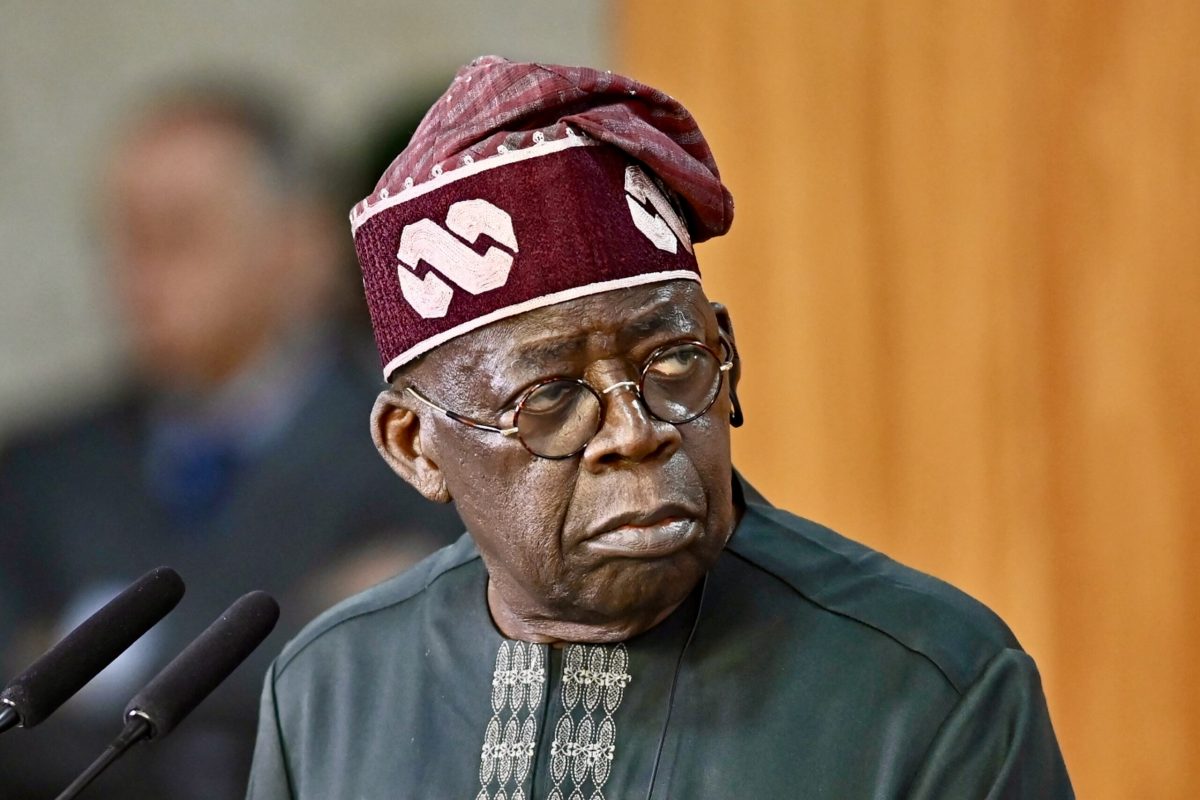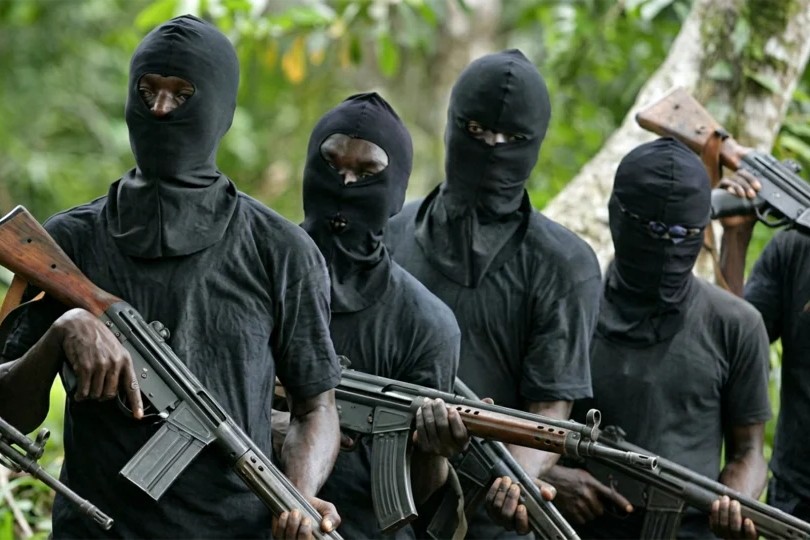
The latest transatlantic row over Nigeria has sharpened into a political and diplomatic test for President Bola Ahmed Tinubu’s government. Rep. Riley M. Moore, a Republican lawmaker from West Virginia, has accused the administration of spending “millions lobbying Congress” while failing to confront what he calls the “genocide Nigerian Christians face daily”.
His intervention lands as the US House Appropriations Committee has moved another State Department funding bill that would place tighter conditions on assistance to Nigeria and increase congressional oversight of how American money is spent.
At the centre of the controversy is Nigeria’s own lobbying push in Washington. Reuters reported in January that Abuja hired the DCI Group for an initial six months at a cost of $4.5 million, with a similar amount due for a further six months, to help improve its image in the United States and explain its efforts to protect Christians.
Reuters also said the Nigerian government denied any systematic persecution and insisted it was battling Islamist insurgents, armed gangs and farmer-herder violence that affects both Muslims and Christians.
Moore’s line of attack is politically potent because it connects aid, religious freedom and accountability in one stroke.
In his own official House materials, he has repeatedly argued that Nigerian Christians are facing systematic persecution and that the US should use its leverage to force change.
In February, he and Rep. Chris Smith introduced the Nigeria Religious Freedom and Accountability Act of 2026, which would require the Secretary of State to submit a detailed report to Congress on the situation.
In February too, House appropriators delivered a joint report on Christian persecution in Nigeria to the White House after President Donald Trump’s redesignation of Nigeria as a Country of Particular Concern.
The legislative pressure is no longer limited to speeches and social media posts. On 28 April 2026, the House Appropriations Committee approved the Fiscal Year 2027 National Security, Department of State, and Related Programs Appropriations Act by 35 votes to 27.
The committee said the bill provides a total discretionary allocation of $47.32 billion and advances America First priorities.
That does not make the measure law, but it does show that Nigeria has become a live issue in US spending politics, not merely a rhetorical talking point.
Moore’s public case also mirrors the tone of the committee’s earlier work. In November 2025, he warned during a House Foreign Affairs Subcommittee on Africa hearing of the “systematic persecution and slaughter” of Nigerian Christians by militants, criminal groups and jihadists.
The committee’s February report went further, with Chairman Chris Smith saying the Nigerian government had been “complicit in and complacent about” religious persecution, language that Abuja is unlikely to welcome and that underlines how far the dispute has escalated inside Congress.
But the political claim that Nigeria is witnessing a Christian genocide remains deeply contested. AP has reported that attacks in Nigeria are driven by multiple overlapping forces, including jihadist insurgency, farmer-herder conflict, communal rivalry, secessionist violence and ethnic clashes.
AP also cited ACLED data showing 385 attacks against Christians with 317 deaths from January 2020 to September 2025, compared with 417 Muslim deaths in 196 attacks over the same period, and quoted analysts who say the violence does not meet the legal definition of genocide because it lacks the intent required to destroy a protected group.
That is the crux of the problem for Tinubu’s government. It is fighting two battles at once. One is a security battle at home, where communities in the Middle Belt, the north-west and the north-east continue to suffer from insurgency, banditry, kidnappings and communal killings.
The other is a communications battle abroad, where American lawmakers, evangelical activists and advocacy groups are shaping the narrative in ways that can affect aid, military cooperation and diplomatic trust.
Reuters noted that the United States has already increased pressure on Nigeria, while Washington and Abuja have also maintained security cooperation, including military support deliveries and the deployment of US assistance linked to counterterrorism efforts.
For Abuja, the danger is not only reputational but practical. Once aid packages become tied to “compliance” tests, human-rights reporting and direct congressional oversight, every security failure becomes a potential budget issue in Washington.
For Moore and like-minded lawmakers, that is precisely the point. They want leverage, not sympathy. For the Nigerian government, however, the message is that it must do far more than hire lobbyists and issue denials if it hopes to blunt the charge that it is talking harder abroad than it is acting at home.
On the evidence now on the table, the fight over Nigeria’s religious violence is becoming a fight over who gets to define the crisis.
Follow us on our broadcast channels today!
- WhatsApp: https://whatsapp.com/channel/0029VawZ8TbDDmFT1a1Syg46
- Telegram: https://t.me/atlanticpostchannel
- Facebook: https://www.messenger.com/channel/atlanticpostng