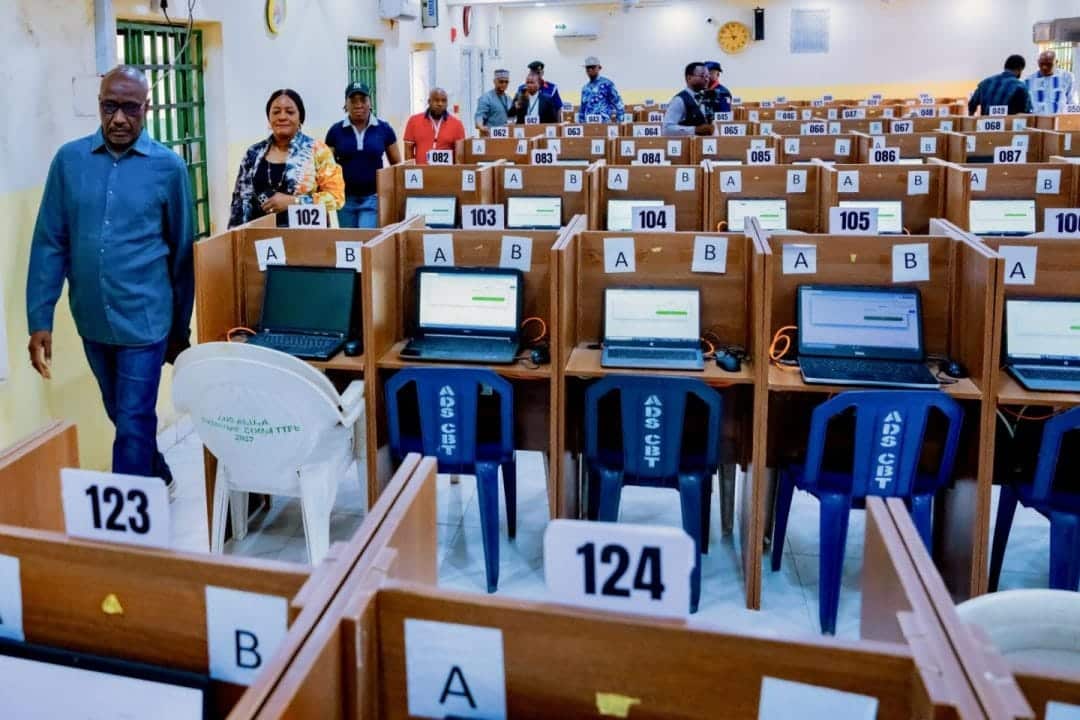
Find out how NNPCL is conducting its most transparent recruitment yet, with 45,689 Nigerians competing for positions. Is this the dawn of meritocracy in Nigeria?
The Battle for Opportunity at NNPCL: A Historic Recruitment Drive Under Scrutiny
The Nigerian National Petroleum Company Limited (NNPCL) has captured national attention with its latest recruitment exercise, a bold attempt to redefine its image and operations. With 45,689 applicants vying for coveted positions, this recruitment process has sparked a nationwide conversation about meritocracy, transparency, and the credibility of one of Nigeria’s most prominent state-owned enterprises. The Computer-Based Aptitude Test, which began on Saturday, November 7, 2024, across several centres nationwide, marks a critical milestone in what has been described as one of the most competitive hiring exercises in recent years.

The exercise is being held at multiple venues, including the Ansar-Ud-Deen Society Centenary Resource Centre in Maitama, Abuja, and other strategically chosen locations. This deliberate geographic spread is seen as an effort by NNPCL to ensure inclusivity and accessibility, in line with its avowed commitment to fairness. For a company historically mired in allegations of inefficiency, systemic corruption, and political patronage, the stakes could not be higher.
A Company in Transition
This recruitment is not just a routine hiring exercise; it is emblematic of the ongoing transformation within NNPCL. Since its metamorphosis into a limited liability company in 2022, following the Petroleum Industry Act (PIA) of 2021, NNPCL has been on a mission to shed its tarnished image and operate with the agility of a private-sector enterprise. The current recruitment exercise appears to be a litmus test for its newfound corporate philosophy.
On July 25, 2024, NNPCL announced job openings across various departments, inviting applications from Nigerians eager to join its ranks. The announcement triggered a wave of excitement and optimism, particularly among young graduates facing a bleak job market. However, the initial enthusiasm has since given way to skepticism, with critics questioning whether the process will indeed be transparent or merely another façade masking the same old practices.
Breaking with the Past?
One of the most contentious aspects of NNPCL’s past recruitment drives has been its alleged reliance on quota systems and ethnic balancing at the expense of meritocracy. While such practices were often justified as efforts to promote national unity and inclusivity, they also contributed to the company’s reputation for inefficiency and poor performance.
The latest updates from NNPCL, shared via its official Facebook page, claim a departure from these divisive practices. The company promises a “transparent and inclusive recruitment process” where only the most qualified candidates will be selected. This assertion, coupled with the active involvement of the Group Chief Executive Officer, Mele Kyari, who personally visited one of the testing centres, signals an intent to enforce accountability and credibility.
Kyari’s presence at the test centre is noteworthy, as it underscores the gravity of this exercise. “As an equal opportunity employer, NNPC Ltd. has made special provisions to ensure that applicants with disabilities can take the test without any hindrance,” he stated, reaffirming the company’s pledge to inclusivity.

A Glimmer of Hope or Empty Promises?
Despite these assurances, many Nigerians remain unconvinced. The skepticism is rooted in NNPCL’s history, which is littered with broken promises and scandals. Can a company that has long been a symbol of inefficiency and corruption truly reinvent itself? For many, this recruitment drive represents a microcosm of the broader challenges facing Nigeria: the struggle to build institutions that are both competent and accountable.
The transparency of the process will be a key factor in determining whether this exercise becomes a blueprint for future reforms or yet another missed opportunity. As the aptitude tests proceed, attention will inevitably turn to the next stages of the recruitment process. Will NNPCL uphold its promise to select only the most qualified candidates? Or will the ghosts of its past resurface to haunt its ambitious transformation agenda?
The Road Ahead
The enormity of this recruitment exercise cannot be overstated. For the thousands of applicants who have placed their hopes and dreams in this process, the stakes are personal and profound. For NNPCL, the stakes are equally high, as its credibility and future viability hinge on the success of this initiative.
The next phases of the process will offer a clearer picture of NNPCL’s commitment to reform. If the company can deliver on its promises, it could set a new standard for public sector recruitment in Nigeria. However, if it falters, it risks deepening public disillusionment and undermining its quest for legitimacy.
The 45,689 hopefuls, scattered across testing centres, represent more than just job seekers; they embody the aspirations of a nation yearning for fairness and opportunity. Whether NNPCL can rise to the occasion remains to be seen.
Systemic Challenges and the Weight of Expectations on NNPCL
The 2024 NNPCL recruitment exercise represents more than a routine hiring process; it has become a litmus test for the credibility of Nigeria’s public institutions. With 45,689 candidates competing in what is being touted as a transparent, merit-driven selection process, the nation’s eyes are on the Nigerian National Petroleum Company Limited. As the aptitude tests progress, questions arise about the underlying systemic challenges that could derail the process and the broader implications for Nigeria’s struggling economy and workforce.

The Shadow of a Troubled Past
NNPCL’s history is a cautionary tale of systemic inefficiency, corruption, and patronage. For decades, the company operated as a state monopoly, its fortunes deeply intertwined with the political elite. Recruitment into the organisation often mirrored the dysfunction of the wider Nigerian public sector, with positions frequently allocated based on nepotism, ethnic balancing, or outright bribery. These practices not only undermined the company’s operational efficiency but also eroded public trust.
The transformation of NNPC into a limited liability company in 2022 under the Petroleum Industry Act was heralded as a watershed moment. The goal was to instil private-sector discipline and create a profit-driven entity capable of competing globally. However, critics argue that structural reforms alone cannot erase the entrenched culture of patronage and corruption. Whether this recruitment exercise represents a genuine break from the past or merely a cosmetic exercise remains a contentious question.
Transparency vs. Public Skepticism
NNPCL’s assurances of a transparent recruitment process have been met with cautious optimism. The company’s promise to prioritise merit over quotas is a bold departure from its past, but it also raises concerns about implementation. Transparency in public recruitment is notoriously difficult to achieve in Nigeria, where opaque processes often conceal favouritism.
The company’s decision to utilise computer-based testing at multiple centres is a step in the right direction. Digital assessments offer a layer of objectivity, minimising the influence of human bias during the initial screening stage. Yet, questions linger about the security of these tests and whether the results will truly reflect candidates’ abilities. Cybersecurity experts warn that electronic testing systems can be vulnerable to breaches, raising the spectre of manipulated scores or leaked questions.
Furthermore, the true test of transparency will come in subsequent stages, where human discretion plays a larger role. As the pool of applicants is narrowed down, will NNPCL adhere to its commitment to meritocracy, or will old habits resurface?
A Glimmer of Progress Amidst Doubts
NNPCL’s emphasis on inclusivity, particularly its accommodation for persons with disabilities, is a commendable aspect of this recruitment drive. Historically, Nigeria’s public sector has been criticised for neglecting marginalised groups, and this effort signals a more progressive approach. However, inclusivity must extend beyond mere accessibility; it must also include equitable consideration of applicants regardless of socioeconomic or geographic background.
The sheer number of applicants—45,689—underscores the scale of unemployment and underemployment in Nigeria. For many of these candidates, securing a position at NNPCL represents a rare chance at economic stability in a country where youth unemployment hovers around 42%. This desperation, however, makes the process susceptible to exploitation. Stories of job seekers being extorted by middlemen promising access to influential insiders have already begun circulating.
The Weight of Expectations
Mele Kyari, the Group Chief Executive Officer of NNPCL, finds himself at the centre of a high-stakes game. Kyari has been vocal about his commitment to reforms, frequently emphasising the need for transparency and efficiency. However, delivering on these promises requires more than rhetoric; it demands systemic changes that address deep-rooted issues.
The public’s expectation is clear: this recruitment drive must set a precedent for how public sector hiring should be conducted. A fair and transparent process would not only bolster NNPCL’s credibility but also signal a broader shift in governance culture. Conversely, a flawed process could reinforce cynicism and deepen public distrust in Nigeria’s institutions.
Implications for Nigeria’s Economy
The stakes are not just institutional; they are also economic. NNPCL is Nigeria’s most significant player in the oil and gas sector, a critical driver of the nation’s economy. Ensuring that the company is staffed with competent, motivated individuals is essential for its operational efficiency and profitability. A successful recruitment drive could inject fresh talent into NNPCL, equipping it to tackle challenges such as dwindling oil production, pipeline vandalism, and international competition.
However, the recruitment process alone cannot resolve the systemic challenges facing the company. Issues such as political interference, operational inefficiencies, and lack of innovation require sustained institutional reform. Critics argue that unless NNPCL addresses these broader issues, its transformation into a limited liability company will remain superficial.
The Role of Civil Society and Media
Civil society organisations and the media have a crucial role to play in holding NNPCL accountable. Monitoring the recruitment process, from the aptitude tests to the final selection, is essential to ensure transparency. Investigative journalism can expose any irregularities, while public advocacy can pressure NNPCL to adhere to its stated principles.
The public’s engagement in this process also matters. Nigerians must demand transparency not just from NNPCL but from all public institutions. The success or failure of this recruitment drive could serve as a bellwether for broader governance reforms in the country.
The Political Undercurrents and Broader Implications of NNPCL’s Recruitment Drive
The ongoing recruitment exercise at the Nigerian National Petroleum Company Limited (NNPCL) has grown into a defining moment not just for the company but for Nigeria’s governance and political systems. As 45,689 applicants compete for coveted positions, this exercise represents a microcosm of Nigeria’s struggle to balance meritocracy with political patronage, institutional efficiency with entrenched dysfunction, and reformist ambitions with historical baggage.

The Political Underbelly of Recruitment
NNPCL’s transformation into a limited liability company in 2022 was intended to sever the umbilical cord of political interference. For decades, the company’s operations were entangled with Nigeria’s political elite, who used it as a tool for dispensing patronage. Recruitment at NNPCL often reflected this dynamic, with positions allocated to individuals backed by influential powerbrokers.
The current recruitment exercise has been framed as a break from the past, a move towards transparency and meritocracy. However, the political undercurrents remain palpable. While NNPCL has publicly declared that only the most qualified candidates will be selected, questions persist about whether the process can truly remain immune to external pressures.
Political observers note that the timing of the recruitment drive—months ahead of significant policy announcements in the oil and gas sector—may not be coincidental. By positioning itself as a merit-driven organisation, NNPCL could be attempting to secure public goodwill ahead of potentially controversial reforms, such as new licensing rounds.
A Test of Leadership
Mele Kyari, the Group Chief Executive Officer, has placed his reputation on the line with this recruitment exercise. Kyari’s tenure has been marked by ambitious rhetoric about transparency and efficiency, but his ability to deliver tangible results has faced consistent scrutiny. His decision to personally oversee the initial stages of the recruitment process signals an understanding of the stakes involved.
However, critics argue that Kyari’s leadership will ultimately be judged not by the transparency of the aptitude test but by the integrity of the entire recruitment process. The final selection of candidates will be the true test of whether NNPCL can resist political interference and uphold its commitment to meritocracy.
Broader Implications for Governance
The outcome of this recruitment exercise will have ripple effects across Nigeria’s governance landscape. A successful, transparent process could set a new benchmark for public sector recruitment, inspiring other institutions to prioritise merit over patronage. Conversely, a flawed or compromised process would reinforce the perception that reforms in Nigeria are often more symbolic than substantive.
At a time when public trust in institutions is at an all-time low, NNPCL’s handling of this recruitment exercise could either restore confidence or deepen cynicism. The stakes are particularly high given the company’s centrality to Nigeria’s economy. As the nation’s primary revenue generator, NNPCL’s efficiency—or lack thereof—has far-reaching implications for fiscal stability, economic growth, and social development.
The Socioeconomic Toll of Failure
For the 45,689 applicants, this recruitment exercise represents more than just a job opportunity; it is a lifeline in a country grappling with high unemployment and economic stagnation. Many of these candidates are young Nigerians who have invested years in education, only to find themselves locked out of the formal labor market. The emotional and financial toll of this exclusion cannot be overstated.
Should the recruitment process falter—whether due to inefficiency, corruption, or political interference—it would not only shatter the dreams of thousands but also exacerbate the already dire unemployment crisis. The implications of such an outcome would extend beyond individual job seekers to the broader societal fabric, fuelling frustration and eroding social cohesion.
International Perception
NNPCL’s ability to conduct a transparent and credible recruitment exercise also carries significant implications for Nigeria’s international image. The global energy market is closely watching the company’s transformation, and its handling of this recruitment process will send a strong signal about its commitment to corporate governance.
Investors, particularly those considering partnerships or investments in Nigeria’s oil and gas sector, are likely to view the outcome of this exercise as a barometer of NNPCL’s institutional integrity. A fair and merit-driven process would enhance the company’s credibility, potentially attracting foreign investment. Conversely, a compromised process could reinforce negative stereotypes about Nigeria’s business environment, deterring potential investors.
The Road Ahead: Balancing Optimism with Realism
As the recruitment process progresses, the public’s attention will shift from the aptitude tests to the subsequent stages, where human discretion becomes more pronounced. It is here that NNPCL’s commitment to transparency will face its greatest test.
While the company’s assurances of meritocracy are encouraging, Nigerians have been conditioned to approach such promises with skepticism. The challenge for NNPCL lies not just in delivering a transparent process but in convincing a wary public that it has genuinely turned a corner.
For Mele Kyari and his team, this is a moment of reckoning. Success would not only cement Kyari’s legacy as a reformer but also bolster NNPCL’s position as a credible player in the global energy market. Failure, on the other hand, would tarnish both Kyari’s reputation and the broader reform agenda, casting a shadow over the company’s transformation efforts.
A Nation’s Future at Stake
The NNPCL recruitment exercise is more than just a hiring process; it is a symbol of Nigeria’s aspirations and challenges. It reflects the nation’s struggle to build institutions that are transparent, efficient, and accountable. It embodies the hopes of millions who dream of a fairer, more equitable society.
Whether this process becomes a turning point or yet another missed opportunity will depend on the decisions made in the coming weeks. For now, the nation watches, waits, and hopes.
By Editor, Atlantic Post