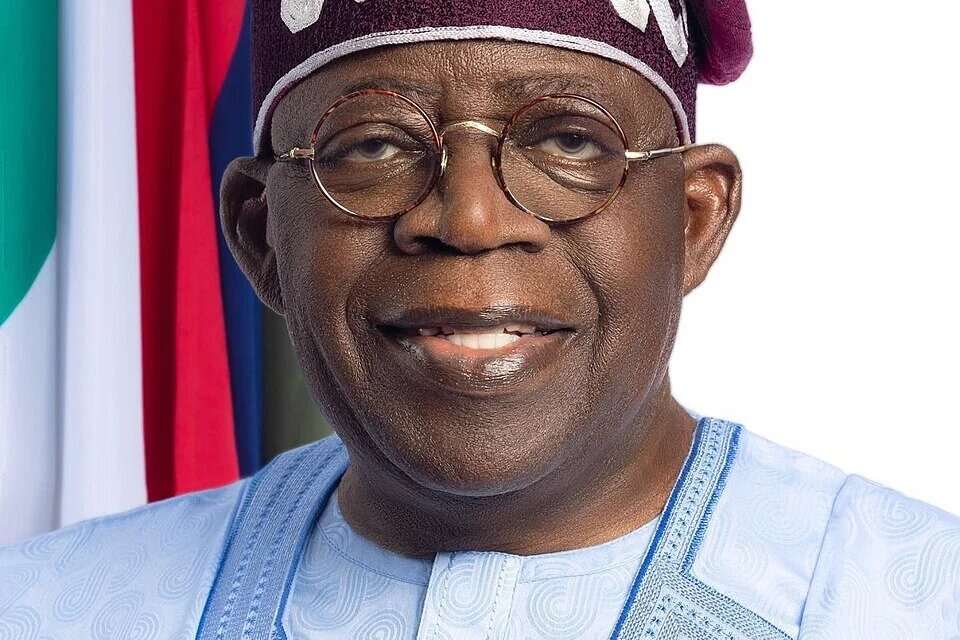
ABUJA, Nigeria — President Bola Tinubu has approved salary increases of between 30 and 80 per cent for Nigeria’s armed forces, in a decision that will affect about 250,000 personnel and take effect from 1 September, according to a statement issued by the President’s Special Adviser on Information and Strategy, Bayo Onanuga.
Under the new structure, officers above the rank of colonel, including Brigadier-Generals, Major-Generals, Lieutenant-Generals and Generals, will receive a 30 per cent increase. Personnel from colonel down to warrant officer will get 50 per cent, while private to staff sergeant will enjoy the steepest uplift at 80 per cent.
The presidency says the revised pay package will raise the armed forces’ annual wage bill from ₦660 billion to ₦924 billion.
The language used by the presidency shows that this is being framed as more than an accounting adjustment. Onanuga said the President approved the increase in recognition of “the courage and sacrifices of military personnel” in the fight against banditry, kidnapping and terrorism.
Tinubu, in the quoted statement, said: “The men and women who help to keep us safe in our homes must be supported and appreciated in the course of their duties to our nation.”
He added: “Our administration will continue to prioritise troop welfare and modernise the armed forces by providing the weapons and technological tools needed to discharge their duties.”
The President’s broader message was even more pointed. “Our administration believes that no nation can achieve greatness without security. We therefore remain resolute in mobilising all military and law enforcement assets to eliminate security threats and protect the lives and property of all Nigerians,” the statement said.
Tinubu further urged servicemen to take the gesture as “a sign of our deep appreciation” and promised that Nigerians would prevail over “the enemies intent on destroying the fabric of our nation”.
The announcement lands at a time when the federal government has been openly retooling its security architecture. In March 2026, Tinubu established a dedicated support fund for members of the armed forces, wounded personnel and families of fallen heroes, and pledged to donate all his salaries since assuming office as seed funding.
The State House said the fund was intended to provide targeted support for injured service members, widows, widowers and children of those killed in service.
That welfare push was followed by a more muscular security response in November 2025, when Tinubu declared a nationwide security emergency and ordered additional recruitment into the armed forces.
In that statement, he authorised the police and army to recruit more personnel, directed the deployment of forest guards, and told the National Assembly to begin reviewing laws to allow states that require state police to establish them.
He also charged the armed forces to remain resolute, warning against “compromise”, “collusion” and “negligence”.
The latest pay increase therefore appears to sit inside a wider strategy: spend more on troops, recruit more hands, and rebuild confidence in a military battling insurgency in the north-east, banditry and kidnappings in the north-west, communal violence in the middle belt and separatist tensions in the south-east.
Reuters reported on 24 July 2026 that Tinubu had already approved an expansion of the army from eight to 12 divisions, alongside the recruitment of 28,000 additional personnel and more investment in equipment, operational readiness and troop welfare.
For a government that has repeatedly argued that security is the foundation of development, the timing is politically significant. The armed forces have been under immense pressure in recent years, not only from the operational burden of multiple theatres of conflict, but also from public scrutiny over welfare, equipment and morale.
A salary jump of this scale may help to stabilise the rank and file, but it will also invite a fresh test of execution: whether the funds reach personnel on time, whether arrears or administrative delays emerge, and whether the wider security picture improves enough to justify the spend.
What is already clear is that Tinubu is betting heavily on the idea that the battle against insecurity cannot be won by rifles and armour alone. His administration is now coupling force expansion with welfare intervention, trying to send one message to the military and another to the country: the state says it is finally prepared to pay more for peace.
Follow us on our broadcast channels today!
- WhatsApp: https://whatsapp.com/channel/0029VawZ8TbDDmFT1a1Syg46
- Telegram: https://t.me/atlanticpostchannel
- Facebook: https://www.messenger.com/channel/atlanticpostng