Tinubu vows peace and justice for Ogoniland in historic meeting, addressing decades of neglect. Will his bold promises of development and unity hold?
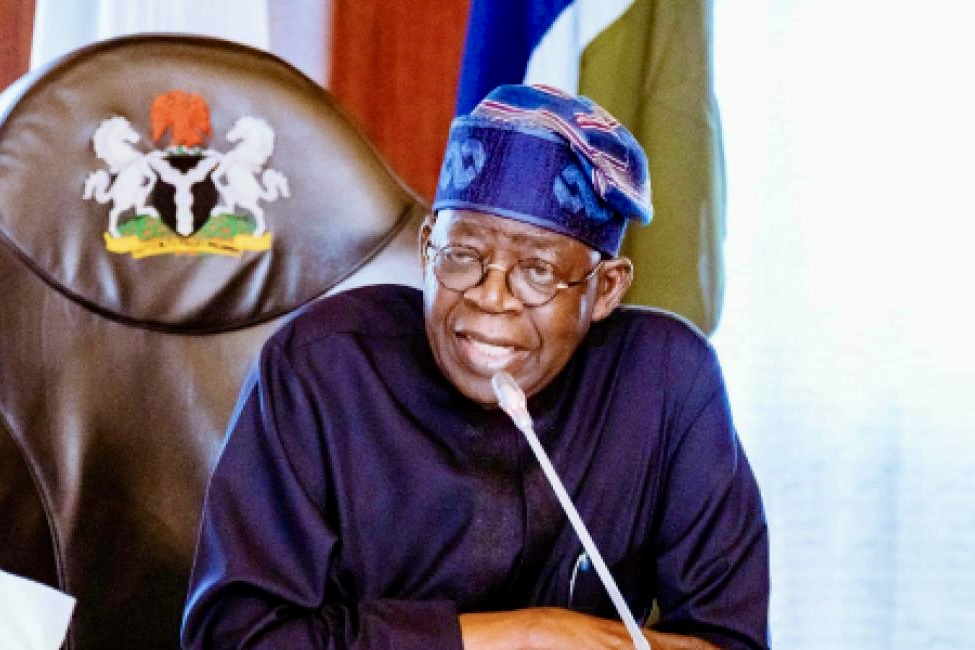
ABUJA, Nigeria — In a significant move towards fostering peace and development in the Niger Delta, President Bola Ahmed Tinubu met with Ogoni leaders on Tuesday, January 21, 2025, at the State House in Abuja.

At the meeting, the President emphasised his administration’s commitment to prioritising peace, justice, and sustainable development in Ogoniland, and urged unity and reconciliation among the Ogoni people.
A Call for Unity and Reconciliation
President Tinubu passionately appealed to the Ogoni leaders to set aside historical grievances and collaborate for the region’s advancement. He stated:
“We cannot in any way rewrite history, but we can correct some anomalies of the past going forward. We cannot heal the wounds if we continue to be angry.”
This sentiment underscores the administration’s focus on healing and moving forward collectively.
Directive for Inclusive Consultation
To facilitate meaningful progress, President Tinubu directed the National Security Adviser, Mallam Nuhu Ribadu, to coordinate negotiations, emphasising the importance of inclusive consultation and mutual understanding. He urged the Ogoni delegation to engage in broader consultations within their communities, stating:
“We must work together with mutual trust. Go back home, do more consultations, and embrace others. We must make this trip worthwhile by bringing peace, development, and a clean environment back to Ogoniland.”
Government’s Commitment to Ogoniland
The President reaffirmed his administration’s dedication to addressing the longstanding issues in Ogoniland, including environmental degradation and economic marginalisation. He highlighted the government’s intention to collaborate with the National Petroleum Company Limited (NNPCL) and the Rivers State Government to achieve these objectives.
This approach aligns with previous commitments made by the administration to unlock the human and natural resource potential of Ogoniland while ensuring environmental and economic security.
Ogoni Leaders’ Response
Governor Siminalayi Fubara of Rivers State expressed gratitude to President Tinubu for his support and for facilitating an inclusive dialogue. He emphasised the importance of resuming oil operations in Ogoniland and pledged the delegation’s commitment to adhering to the President’s directives.
This sentiment reflects the Ogoni leaders’ readiness to engage constructively in the pursuit of peace, justice, and sustainable development.
Historical Context and Environmental Concerns
Ogoniland has long been a focal point of environmental and socio-economic challenges due to extensive oil exploration and production activities. The region has suffered significant environmental degradation, leading to health issues and loss of livelihoods among the local population.
In 2011, the United Nations Environment Programme (UNEP) released a comprehensive report highlighting the severe contamination of soil and groundwater in Ogoniland and recommended an extensive cleanup of the area. Despite the establishment of the Hydrocarbon Pollution Remediation Project (HYPREP) to oversee the cleanup, progress has been slow, and the Ogoni people continue to advocate for comprehensive environmental restoration and fair resource management.
Economic Implications of Resuming Oil Production
The potential resumption of oil production in Ogoniland carries significant economic implications for both the region and Nigeria at large. The Ogoni Economic Rebirth Project envisions the unbundling of Oil Mining Lease (OML) 11, which could contribute an additional 100,000 barrels per day of oil and 120 million cubic feet of gas per day. This development is projected to add approximately $5 billion annually to Nigeria’s Gross Domestic Product (GDP).
However, the resumption of oil activities must be approached with caution, ensuring that environmental safeguards are in place and that the Ogoni communities benefit equitably from the resources extracted from their land.

The Path Forward
President Tinubu’s engagement with the Ogoni leaders marks a pivotal step towards addressing the historical injustices and environmental challenges faced by the Ogoni people.
By fostering inclusive dialogue and emphasising mutual trust, the administration would be aiming to create a conducive environment for sustainable development in Ogoniland.
The success of this initiative will depend on the continued commitment of all stakeholders to prioritise peace, justice, and environmental restoration in the region.
The meeting between President Tinubu and the Ogoni leaders signifies a renewed commitment to resolving the longstanding issues in Ogoniland. By prioritising peace, justice, and sustainable development, the administration seeks to heal historical wounds and pave the way for a prosperous future for the Ogoni people.
The collaborative efforts of the federal government, the Rivers State Government, and the Ogoni communities will be crucial in achieving these objectives and ensuring lasting peace and development in the region.
Challenges to Implementation and Trust-Building
Despite President Tinubu’s commitments, significant challenges lie ahead. The Ogoni people, whose distrust of successive governments stems from decades of environmental neglect and economic marginalisation, remain cautious. Efforts to rekindle trust will require visible and sustained action.
The long-overdue UNEP cleanup process remains a painful reminder of unfulfilled promises. Although HYPREP was established to address the environmental crisis, critics argue that corruption, mismanagement, and lack of political will have undermined progress.
The proposed resumption of oil production in Ogoniland also presents a double-edged sword. While it promises economic revitalisation, many Ogoni people fear the environmental consequences of renewed extraction without adequate safeguards.
Any attempt to resume oil operations without addressing these fears risks reigniting tensions. Moreover, the involvement of multinationals like Shell, with a contentious history in the region, will likely complicate efforts.
A Framework for Reconciliation and Development
President Tinubu’s directive to the National Security Adviser, Mallam Nuhu Ribadu, to oversee negotiations offers hope for a structured approach. However, success will depend on the inclusiveness of the process.
Stakeholders such as traditional leaders, civil society organisations, and youth groups must play active roles. The administration must ensure that the Ogoni people are not merely participants but drivers of the process.
Additionally, a robust framework for environmental remediation, coupled with transparent resource management, is non-negotiable. The UNEP report’s recommendations should serve as a guiding document, with timelines and measurable outcomes clearly defined.
Trust will also hinge on financial transparency, particularly in the disbursement of funds for cleanup and development projects.
Economic Development and Environmental Sustainability
The administration’s emphasis on restarting oil production in Ogoniland must be balanced with environmental sustainability and community empowerment. Beyond oil, the region’s vast potential in agriculture, renewable energy, and ecotourism offers viable alternatives for economic growth.
The Ogoni Economic Rebirth Project, if implemented inclusively, could serve as a model for resource-rich but underdeveloped regions across Nigeria.
Political Will and the Role of the International Community
Skepticism remains about whether the Tinubu administration will muster the political will necessary to follow through on its promises. The role of the international community, particularly organisations like the United Nations and Amnesty International, will be critical in holding the government accountable. Transparency, regular progress reports, and independent monitoring mechanisms should be institutionalised to prevent a relapse into neglect.
A Defining Test for Tinubu’s Legacy
President Bola Ahmed Tinubu’s pledge to prioritise peace, justice, and development in Ogoniland represents a bold but challenging commitment. The road to reconciliation is fraught with obstacles, but it also presents an opportunity for the administration to redefine governance in the Niger Delta.
By addressing the Ogoni people’s grievances with sincerity and action, Tinubu can leave a legacy of healing and progress in a region synonymous with strife and neglect.
Only time will tell whether this administration can succeed where others have faltered. What is clear, however, is that the Ogoni people’s patience is not infinite, and their demands for justice and development cannot be ignored.
Additional report by Peter Jene
Atlantic Post Senior National Correspondent