By Editor
Port Harcourt Refinery Scandal: Unveiling NNPCL’s deceptive reopening, exposing Nigeria’s energy crisis, and charting a path for reform and accountability.
Unveiling the Illusion of Nigeria’s Industrial Revival
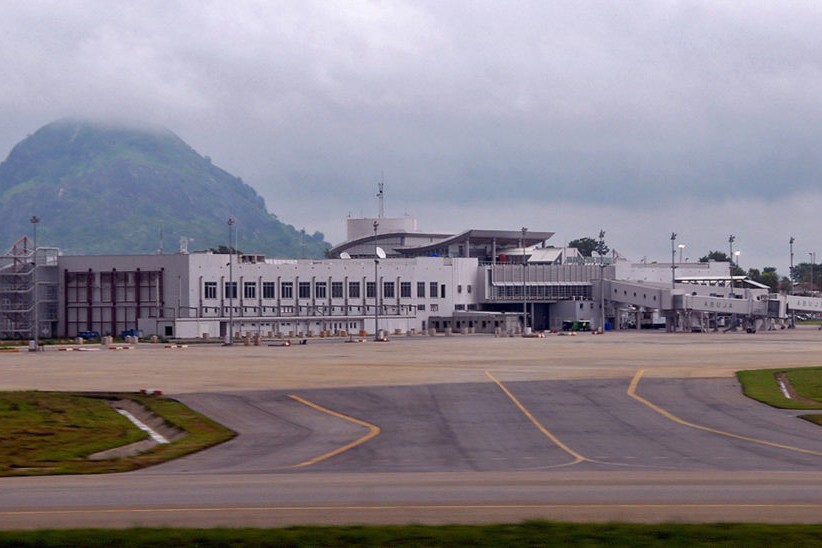
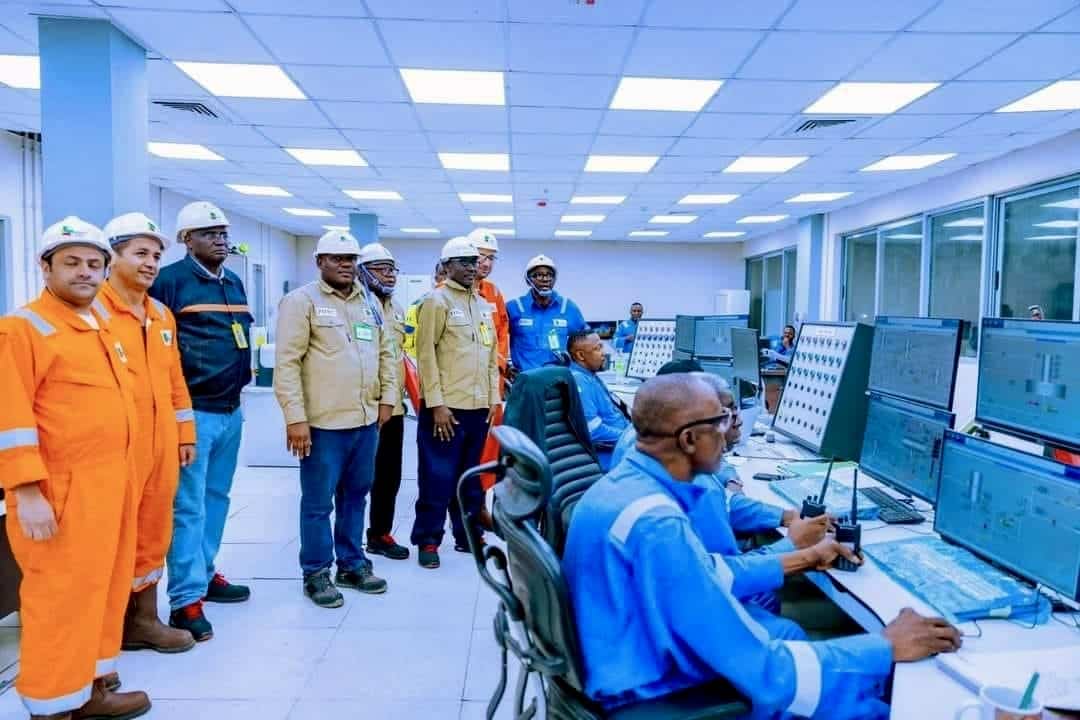
The long-dormant Port Harcourt Refinery, a symbol of Nigeria’s turbulent oil and gas sector, was recently resurrected amid widespread fanfare. The Nigerian National Petroleum Company Limited (NNPCL) announced with great pride the refinery’s rebirth, claiming a triumphant return to refining operations after years of inactivity. According to NNPCL’s corporate communication arm, the refinery, recently upgraded with modern equipment, resumed operations at a commendable 70% of its installed capacity.

On paper, it appeared as though the long-suffering Nigerian populace could finally breathe a sigh of relief, as this development was expected to alleviate the crippling fuel scarcity that has gripped the nation for years. With promises of 200 trucks of Premium Motor Spirit (PMS) or petrol to be released daily into the market, the refinery’s reactivation was heralded as a significant milestone in Nigeria’s quest for energy self-sufficiency.
However, in what can only be described as a scandalous exposé, the Secretary of Alesa community stakeholders, Mr. Timothy Mgbere, has dismantled the carefully curated narrative being peddled by the NNPCL. Speaking during a live interview on Arise TV, Mgbere revealed the bitter truth: the much-celebrated resumption of the Port Harcourt Refinery was nothing more than a staged spectacle—a “party” designed to deceive Nigerians.
According to Mgbere, the products loaded during the grand reopening were not freshly refined outputs from a newly rejuvenated refinery but old stock that had languished in storage tanks for over three years. “What happened on Tuesday was just a mere show at the Port Harcourt depot,” Mgbere declared, his voice laced with frustration and disappointment. “The refinery, which we call Area Five—the old complex—is merely in skeletal operation.”
The Phantom of Production: NNPCL’s Dubious Claims
Contrary to the NNPCL’s assertion that the refinery is producing 1.4 million litres of PMS per day, Mgbere categorically refuted such claims. “It’s a very big… I don’t want to use the word lie, but as an agency holding the oil industry on trust for Nigerians, they shouldn’t put out information that is not true,” he said, carefully choosing his words but making his disdain unmistakably clear.
The discrepancy between NNPCL’s public statements and the reality on the ground paints a grim picture of an industry plagued by misinformation, bureaucratic pressure, and public deception. Mgbere revealed that top executives of the NNPCL, including the Group Managing Director (GMD) and the CEO of the refinery, were under immense pressure to stage the event and showcase a semblance of operational success. “The GMD and other MDs were in Port Harcourt since Monday. The MD of the Port Harcourt refinery and those heading the operations department didn’t sleep through the night of Monday to Tuesday because of this whole event,” Mgbere disclosed.
The event, touted as a celebration of Nigeria’s industrial revival, was instead a carefully orchestrated charade. The six trucks dispatched from the refinery on Tuesday were loaded not with fresh output but with outdated petroleum products from a storage facility connected to the old refinery complex.
A Staged Ceremony at a Non-Functional Refinery
Mgbere’s revelations expose a critical aspect of the refinery’s operations that NNPCL conveniently omitted from its public announcements. He explained that the loading gantry used during the ceremony was part of the new refinery complex, which is not yet operational. “The party they had on Tuesday was held at the new loading gantry directly connected to the new refinery. How does that work? It is impossible,” Mgbere emphasised, his tone a mix of incredulity and anger.
He further elaborated that the storage facility servicing the old refinery had remnants of petroleum products that had been sitting idle for years. “They went there because the storage facility for the old refinery had some stock—old stock that has been there for over three years,” Mgbere explained. In a damning indictment of NNPCL’s integrity, he asserted that the six trucks loaded were merely for show, intended to give the impression of a fully functional refinery when, in reality, only a fraction of the facility’s units are operational.
NNPCL’s False Narrative: A Disservice to Nigerians
Mgbere’s revelations are not just a critique of NNPCL’s operations but a damning indictment of the Nigerian government’s handling of the oil and gas sector. For a nation that has long suffered from fuel scarcity, poor infrastructure, and rampant corruption in its energy sector, the false narrative propagated by NNPCL is a cruel joke on the Nigerian people.
By staging a grand reopening ceremony and disseminating misleading information about the refinery’s capacity and output, NNPCL has done a great disservice to the Nigerian populace. The promise of 200 trucks of petrol being released daily into the market has raised public expectations, only to dash them against the harsh reality of a refinery that is far from being fully operational.
Mgbere’s call for transparency and honesty from NNPCL is not just a plea for truth but a demand for accountability. “Let it be on record that it was only six trucks that they used to calibrate the new loading gantry. The product was not a new refined product from the old refinery,” he said, urging Nigerians to question the narratives being fed to them by those in positions of power.
As the Nigerian public begins to process these shocking revelations, the question on everyone’s mind is clear: Why did NNPCL go to such lengths to stage this spectacle? Was it a desperate attempt to salvage its reputation, or is there a deeper, more insidious agenda at play?
The False Dawn of the Port Harcourt Refinery: Economic and Political Ramifications
The revelations surrounding the purported reopening of the Port Harcourt Refinery have sent shockwaves through Nigeria’s oil and gas sector, raising critical questions about the management of the nation’s most valuable resource. For years, the Nigerian National Petroleum Company Limited (NNPCL) has been tasked with steering the country’s energy policies, overseeing refinery operations, and ensuring a steady supply of petroleum products to the market. However, the controversy now engulfing the Port Harcourt Refinery exposes a deep rot within the corporation, one that threatens to erode public trust and exacerbate Nigeria’s already precarious economic situation.
Timothy Mgbere’s bombshell accusations of staged production and misinformation by NNPCL highlight a troubling trend: the use of public relations stunts to mask systemic inefficiencies and operational failures. For a nation that ranks as Africa’s largest oil producer, the inability to refine its crude domestically has long been a national embarrassment. The Port Harcourt Refinery, once a beacon of industrial might, had been dormant for years, leaving Nigeria heavily reliant on fuel imports despite sitting atop vast reserves of crude oil.
When NNPCL announced the refinery’s resumption, it was more than just a technical milestone; it was a symbol of hope for millions of Nigerians grappling with the economic burden of fuel scarcity and exorbitant prices. But the truth, as exposed by Mgbere, is a sobering reminder that Nigeria’s energy sector remains plagued by mismanagement, corruption, and a lack of transparency.
A False Economic Revival: The Cost of Deception
At the heart of this controversy lies a critical question: What are the economic implications of NNPCL’s deceit? The corporation’s claim that the refinery is operating at 70% capacity and releasing 200 trucks of petrol daily raised expectations of a significant reduction in fuel prices and a boost to the local economy. In reality, however, the meagre dispatch of six trucks on the refinery’s opening day reveals a starkly different picture.
This discrepancy has direct consequences for Nigeria’s economy. Fuel scarcity remains a persistent issue, driving up transportation costs, inflating the prices of goods and services, and straining household budgets. The promise of increased domestic refining capacity was supposed to alleviate these pressures, but with the Port Harcourt Refinery still largely non-functional, the anticipated economic relief remains a distant dream.
Moreover, the false narrative propagated by NNPCL undermines investor confidence in Nigeria’s oil and gas sector. The rehabilitation of the Port Harcourt Refinery, reportedly undertaken at a cost of over $1.5 billion, was intended to signal to both local and international investors that Nigeria was serious about revitalising its energy infrastructure. However, the exposure of NNPCL’s deceptive practices raises serious doubts about the corporation’s credibility and the viability of future investment in the sector.
The Political Fallout: A Government Under Siege
The political ramifications of the Port Harcourt Refinery scandal cannot be overstated. For the administration of President Bola Ahmed Tinubu, which has been grappling with widespread public discontent over economic hardships and governance issues, this controversy represents yet another challenge to its legitimacy.
Tinubu’s government, much like its predecessors, has faced intense criticism for its handling of the oil and gas sector. The promise to revamp Nigeria’s refineries and reduce dependence on fuel imports was a cornerstone of the administration’s economic policy. The Port Harcourt Refinery’s reopening was supposed to be a key achievement in this regard, a tangible demonstration of the government’s commitment to delivering on its promises.
However, the unfolding scandal threatens to undermine this narrative, casting doubt on the government’s ability to effectively manage the country’s energy resources. Opposition parties and civil society organisations have already begun to seize on the controversy, calling for a thorough investigation into NNPCL’s operations and the true state of the Port Harcourt Refinery.
In a scathing statement, the opposition People’s Democratic Party (PDP) described the refinery’s reopening as “a shameless charade” and accused the government of “misleading Nigerians with false claims of progress while the reality on the ground tells a different story.” The party further called for the resignation of top NNPCL executives, including the Group Managing Director, for their role in perpetuating the deception.
Civil society groups, too, have joined the chorus of condemnation. They have called on the Economic and Financial Crimes Commission (EFCC) to launch an investigation into the financial and operational practices of NNPCL, particularly concerning the rehabilitation of the Port Harcourt Refinery. “Nigerians deserve transparency and accountability in the management of their national resources,” the CSOs insist. “The revelations surrounding the Port Harcourt Refinery raise serious questions about the integrity of NNPCL and the government’s commitment to genuine reform in the oil and gas sector.”
Community Voices: Alesa’s Betrayal
For the Alesa community, which hosts the Port Harcourt Refinery, the controversy is a bitter betrayal. The refinery has long been a cornerstone of the local economy, providing jobs, supporting small businesses, and contributing to the community’s overall development. The news of the refinery’s reopening had been met with cautious optimism, as residents hoped it would signal a return to prosperity after years of economic stagnation.
However, Mgbere’s revelations have dashed those hopes. “The economic activities emanating from the operations of these depots mean a lot to us as a community,” he lamented during his interview. “But as it stands now, I don’t think it’s a cause for celebration yet.”
The community’s disappointment is palpable, and there is growing frustration with both NNPCL and the government. Local leaders have accused the corporation of neglecting its responsibilities to the host community, failing to provide accurate information, and using the refinery’s reopening as a public relations stunt rather than a genuine effort to revitalise the local economy.
Mgbere’s call for transparency and accountability has resonated with many in Alesa, who feel that their community has been left in the dark about the true state of the refinery. “We deserve to know the truth,” one community leader said. “If the refinery is not operational, they should tell us. We cannot build our future on lies and half-truths.”
The Broader Crisis in Nigeria’s Energy Sector
The Port Harcourt Refinery controversy is symptomatic of a broader crisis in Nigeria’s energy sector. Despite being one of the world’s largest oil producers, Nigeria has long struggled with refining its crude domestically, relying instead on costly fuel imports to meet domestic demand. This dependence on imports has made the country vulnerable to global oil price fluctuations, contributing to economic instability and social unrest.
Efforts to rehabilitate the country’s refineries have been plagued by delays, cost overruns, and allegations of corruption. The Port Harcourt Refinery, in particular, has been the subject of numerous controversies, with successive governments promising to restore it to full capacity but failing to deliver tangible results.
The revelations surrounding the refinery’s reopening underscore the urgent need for a comprehensive overhaul of Nigeria’s energy sector. Transparency, accountability, and effective management are essential to ensuring that the country’s oil and gas resources are used to benefit its citizens rather than lining the pockets of a select few.
As the dust begins to settle on the Port Harcourt Refinery scandal, one thing is clear: the Nigerian public deserves better. The promises of economic revival, energy security, and improved living standards must be more than just empty rhetoric.
Reclaiming Nigeria’s Energy Future – Accountability, Reform, and the Way Forward
The controversy surrounding the reopening of the Port Harcourt Refinery has laid bare the systemic issues plaguing Nigeria’s oil and gas sector. The revelation that NNPCL loaded old stock rather than newly refined products has shattered public confidence in a government and corporation that promised transparency, efficiency, and progress. Now, with the truth exposed and public outrage mounting, the path forward for Nigeria’s energy sector must be one of radical reform, institutional accountability, and a long-overdue departure from the culture of deception and corruption that has long defined it.
Institutional Accountability: Demanding Transparency from NNPCL
At the heart of the current crisis is the Nigerian National Petroleum Company Limited (NNPCL), an entity that has evolved over decades into a state-owned behemoth often accused of opacity and inefficiency. The Port Harcourt Refinery scandal underscores the urgent need for NNPCL to embrace a culture of transparency and accountability. The corporation’s false claims about the refinery’s operational capacity, and the subsequent exposure of those claims as fabrications, have dealt a severe blow to its credibility both domestically and internationally.
To restore public trust, NNPCL must take several immediate steps. First, it must provide a detailed, independent audit of the Port Harcourt Refinery’s rehabilitation project. This audit should include a breakdown of how the $1.5 billion allocated for the project was spent, the contractors involved, the timelines for various phases of the project, and the current operational status of each unit within the refinery.
Second, NNPCL must issue a public apology for the misinformation disseminated about the refinery’s reopening. While such an admission may be politically unpalatable, it is a necessary first step toward rebuilding trust with the Nigerian public. The corporation must also commit to regular, transparent updates on the refinery’s progress, including production levels, product quality, and any challenges encountered.
Finally, there must be accountability at the leadership level. Calls for the resignation of key NNPCL executives, including the Group Managing Director, cannot be ignored. If the corporation is to regain its credibility, it must demonstrate that those responsible for the deception will face consequences. A failure to act decisively will only deepen public cynicism and further erode confidence in Nigeria’s energy sector.
The Role of the Government: Political Will and Policy Reform
While NNPCL bears significant responsibility for the current debacle, the Nigerian government cannot escape scrutiny. The administration of President Bola Ahmed Tinubu, which touted the refinery’s reopening as a key achievement, must now confront the fallout from the scandal. This presents a critical test of the government’s commitment to reforming Nigeria’s energy sector and addressing the structural issues that have long hampered its development.
First and foremost, the government must prioritise policy reform aimed at reducing Nigeria’s dependence on imported petroleum products. This will require a comprehensive strategy that addresses the entire value chain of the oil and gas sector, from upstream exploration and production to downstream refining and distribution. Central to this strategy must be the rehabilitation and modernisation of Nigeria’s existing refineries, as well as the construction of new facilities capable of meeting domestic demand.
However, policy reform must go beyond technical and infrastructural improvements. The government must also tackle the entrenched corruption that has long plagued the sector. This will require strengthening regulatory oversight, enhancing the capacity and independence of anti-corruption agencies, and fostering greater collaboration with civil society organisations and industry watchdogs.
In addition to domestic reforms, the government must also engage with international partners and investors to attract the capital and expertise needed to revitalise Nigeria’s energy sector. However, such engagement must be grounded in a commitment to transparency, accountability, and good governance. Without these foundational elements, Nigeria will struggle to secure the trust and confidence of the global investment community.
Community Engagement: Empowering Host Communities
The fallout from the Port Harcourt Refinery scandal has been acutely felt by the Alesa community, which serves as the host for the refinery. The community’s economy, livelihoods, and social fabric are deeply intertwined with the operations of the refinery, and the false promise of economic revival has left many residents feeling betrayed and disillusioned.
Going forward, it is essential that host communities like Alesa are not merely passive observers in the management of Nigeria’s energy resources but active participants in decision-making processes. This will require a fundamental shift in how the government and NNPCL engage with these communities.
One potential avenue for empowering host communities is the establishment of Community Development Agreements (CDAs) that outline specific commitments by NNPCL and the government to support local economic development, infrastructure projects, and social services. These agreements should be legally binding and subject to regular monitoring and evaluation to ensure compliance.
Additionally, community representatives must be given a seat at the table in discussions about the management and operation of refineries and other energy infrastructure. This will help ensure that their voices are heard, their concerns are addressed, and their interests are protected.
Ultimately, the success of Nigeria’s energy sector will depend not only on technical and policy reforms but also on the active participation and empowerment of the communities that host and support this critical infrastructure.
A Vision for the Future: Charting a New Course for Nigeria’s Energy Sector
The Port Harcourt Refinery scandal has exposed the deep flaws and challenges facing Nigeria’s energy sector, but it has also highlighted the urgent need for change. As the nation grapples with the fallout from this controversy, it is imperative that both the government and NNPCL recognise the crisis as an opportunity for reform, innovation, and transformation.
One potential catalyst for change is the ongoing development of the Dangote Refinery, a privately owned facility with the capacity to significantly reduce Nigeria’s dependence on imported fuel. While the Dangote Refinery represents a promising development, it also underscores the limitations of relying solely on state-owned enterprises like NNPCL to drive the growth and modernisation of the sector.
Moving forward, Nigeria must embrace a more diversified and competitive energy landscape that encourages private sector participation, fosters innovation, and leverages global best practices. This will require a fundamental shift in how the sector is regulated, managed, and incentivised.
At the same time, the government must not lose sight of the social and environmental dimensions of energy policy. Ensuring access to affordable and reliable energy for all Nigerians, promoting sustainable and environmentally responsible practices, and addressing the social and economic impacts of energy projects on local communities must remain central to the country’s energy strategy.
Conclusion: The Road Ahead
The Port Harcourt Refinery controversy has cast a long shadow over Nigeria’s energy sector, exposing deep-seated issues of mismanagement, corruption, and deception. However, it has also provided a critical opportunity for reflection, accountability, and reform.
As Nigeria charts a new course for its energy future, it must prioritise transparency, accountability, and community engagement. It must embrace innovation, competition, and sustainability. And it must ensure that the benefits of its vast energy resources are shared equitably among all its citizens.
The road ahead will be challenging, but with the right leadership, vision, and commitment, Nigeria can overcome the current crisis and build a more resilient, prosperous, and equitable energy sector for the future. The time for action is now, and the stakes could not be higher.