Troops and police last week confronted a fresh wave of violence across Nigeria’s north-west as terrorists, locally described as bandits, struck Isa town in Sokoto State. At the same time, they mounted coordinated raids on communities in Danko-Wasagu, Kebbi State.
The attacks left at least four people with gunshot wounds in Isa, forced the abandonment of fields at harvest time and produced a new set of abductions — ten residents taken in Kebbi, six of whom were later recovered after security operations.
Eyewitnesses in Isa town said the assailants entered from the eastern axis around 1am, firing indiscriminately near the residence of the Sarkin Gobir and sowing panic among sleeping families.
Local accounts link the spike in violence to recent so-called peace accords between communities in neighbouring Zamfara and bandit groups. These accords appear to have reshuffled targets. They have not ended hostilities.
A resident told reporters ransom demands have risen sharply. What began as ad hoc extortion now reads like organised kidnapping for profit.
In Kebbi State the pattern was familiar and brutal. Dozens of gunmen reportedly invaded Tungar Wazga, Unguwar Chiroma and nearby villages, rustling cattle and seizing civilians.
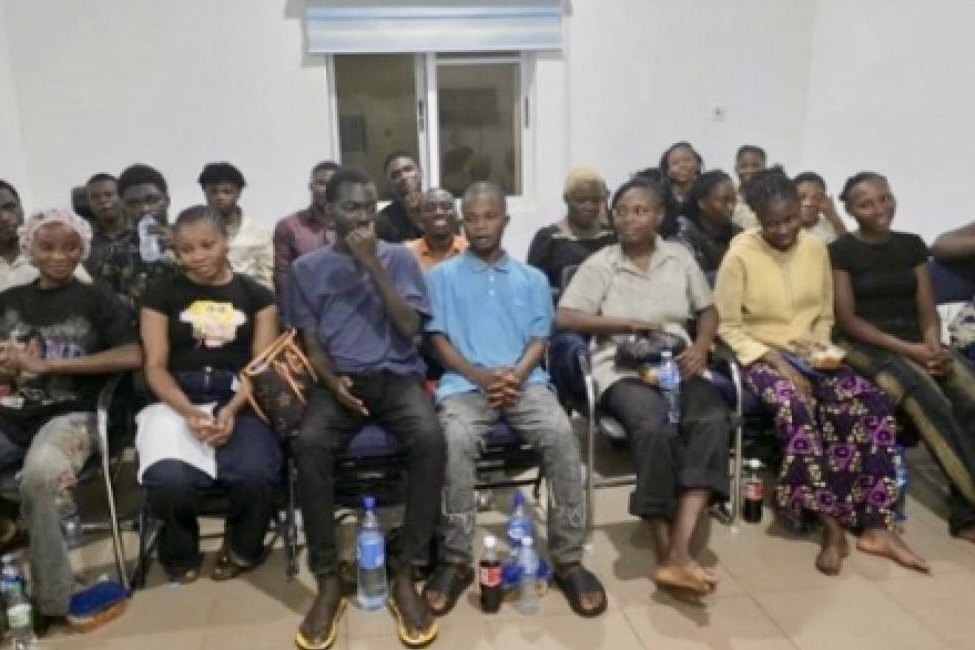
Police said ten people were taken. A swift response recovered six victims. They received medical checks before being reunited with their families.
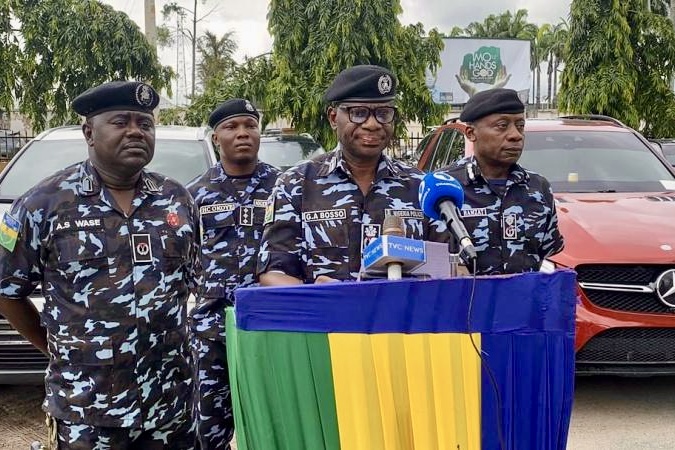
The Kebbi State Police Public Relations Officer, CSP Nafiu Abubakar, confirmed the details of the encounter. Pursuing officers engaged the attackers. The attackers fled into the forest, leaving wounded among their ranks.
These incidents are not isolated. For the better part of this decade, north-west Nigeria has experienced a qualitative shift. The region moved from sporadic criminality to semi-organised armed networks. These networks are capable of mass abduction, territorial control, and economic predation.
Independent conflict monitors estimate tens of thousands of armed actors operate across the region. They exploit illicit mineral routes and weak oversight. This sustains their arsenals and revenue streams.
The Soufan Centre in 2025 estimated the ranks of bandits in the region in the tens of thousands. Human rights groups report that entire communities have been sacked. They have been subjected to chronic extortion and dispossession.
Historically, Nigeria’s most notorious mass abductions include the Chibok girls in 2014. They also include the Dapchi and Jangebe schoolgirls and other mass captures. These events helped expose the limits of security policy and the political hazard of half-measures.
What is now unfolding in Sokoto and Kebbi bears the same hallmarks. There are improvised peace deals and amnesties. They buy temporary calm for some communities. At the same time, they displace violence and incentivize more lucrative kidnapping.
Analysts warn that unless security operations are paired with credible rural policing, justice mechanisms, and economic options for young men, the next harvest season will become a theatre for violence. It will also be a scene for theft.
For policy makers the immediate questions are stark.
First, can security agencies convert tactical recoveries into sustained protection for vulnerable corridors, farms and markets?
Second, will state and federal authorities enforce accountability for local deals that empower criminal patrons?
And third, are development strategies being retooled? Do these strategies aim to undercut the recruitment and financing models? These models now sustain bandit networks across a broad swathe of the north-west.
The communities in Isa and Danko-Wasagu need predictable security now. This security should allow harvest and market access. They also need a transparent and consistent approach to ransom and amnesty policy. Additionally, rapid support for displaced families is required.
The alternative is grim. More fields will be left unharvested. Millions in the region will face deeper food insecurity. The writ of the state will erode further at the point where law, livelihood, and life intersect.
Follow us on our broadcast channels today!
- WhatsApp: https://whatsapp.com/channel/0029VawZ8TbDDmFT1a1Syg46
- Telegram: https://t.me/atlanticpostchannel
- Facebook: https://www.messenger.com/channel/atlanticpostng