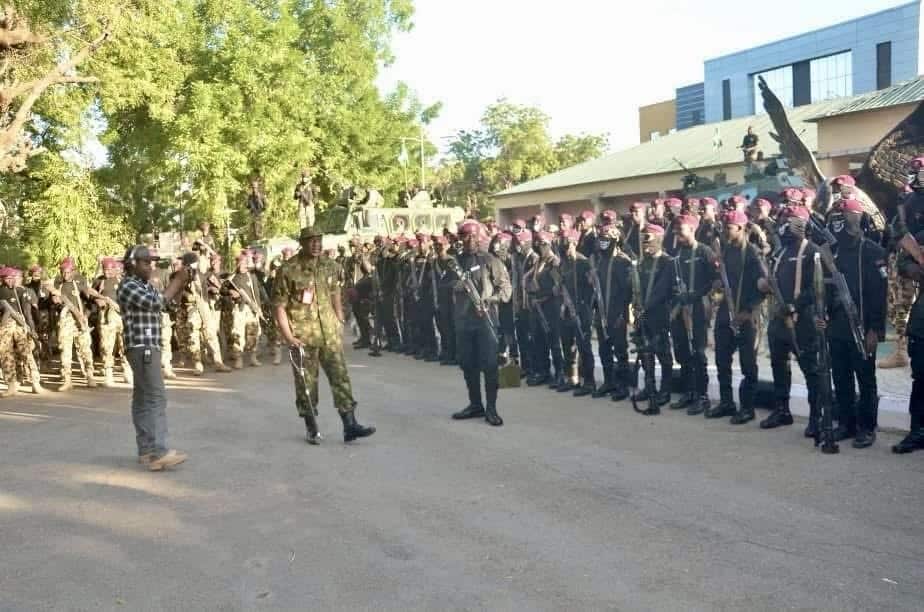
In a high-stakes mission, the Nigerian Army deploys its elite Special Operations Brigade to eradicate the Lakurawas sect terrorising Sokoto and Kebbi States. Will this critical offensive bring peace or expose deeper national security flaws? Read the full report on the Atlantic Post.
Nigerian Army Intensifies Crackdown on Lakurawas Sect with Elite Brigade Deployment

The Nigerian Army has escalated its fight against the notorious Lakurawas sect operating in Sokoto and Kebbi States, deploying an elite Special Operations Brigade to the region in a daring bid to dismantle the group’s deep-rooted criminal networks. This bold move, ordered by the Chief of Defence Staff (CDS), General Christopher Musa, underscores the military’s determination to restore security and stability to Nigeria’s embattled northwestern region.
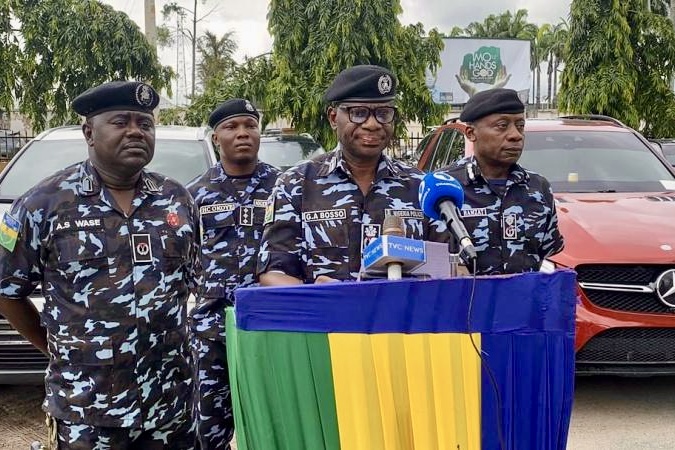
Addressing the troops on December 13, 2024, Brigadier General Ibikunle Ajose, who serves as the General Officer Commanding (GOC) 8 Division and Commander of Sector 2 Operation FANSAN YAMMA, delivered a rousing call to action. Representing the Theatre Commander, Major General Oluyinka Soyele, Ajose emphasised the critical nature of the mission. “Nigerians are counting on your professionalism and resolve,” he declared, urging the specially trained soldiers to neutralise the sect while adhering strictly to rules of engagement and safeguarding civilian lives and properties.
The Lakurawas Menace: A Persistent Threat to Peace
The Lakurawas sect, a shadowy insurgent group, has long plagued Sokoto and Kebbi States with its reign of terror, leaving a trail of destruction and despair. Known for their brutal tactics, the group operates from fortified enclaves hidden within dense forests across the region, launching deadly raids on vulnerable communities. Their activities have disrupted local economies, displaced thousands, and sowed fear among residents.
The Nigerian Army’s decisive deployment of the Special Operations Brigade follows a series of precursor operations under the banner of Operation FOREST SANITY III, codenamed “CHASE LAKURAWAS OUT.” These initial efforts, spearheaded by 8 Division troops, demonstrated the military’s capacity to penetrate the sect’s strongholds. However, the scale and complexity of the sect’s operations demanded a more specialised and intensified response—a gap the newly deployed brigade is expected to fill.
Successes of Operation FOREST SANITY III
Operation FOREST SANITY III has been pivotal in laying the groundwork for the current deployment. Targeting the sect’s hideouts in forests and villages across Illela, Tangaza, and Binji Local Government Areas, the operation resulted in the destruction of 22 camps and the elimination of numerous sect members. Noteworthy recoveries during these missions included four rifles, 409 rounds of PKT 7.62mm NATO ammunition, and 94 rounds of 7.62mm special ammunition.
The operation’s successes have emboldened the military and reassured the public. Yet, the resilience of the Lakurawas sect—bolstered by their intimate knowledge of the terrain and their ability to regroup—highlights the challenges ahead. The Nigerian Army’s strategy now hinges on the precision, expertise, and unwavering commitment of the elite Special Operations Brigade to complete the task.
A Calculated Gamble or a Bold Necessity?
While the deployment of the Special Operations Brigade signals a strong commitment to ending the Lakurawas menace, questions linger over the effectiveness and sustainability of such operations in a region scarred by years of insecurity. Critics argue that military interventions, though impactful in the short term, often fail to address the root causes of insurgency, such as poverty, unemployment, and governance deficits. Without a comprehensive strategy that combines military action with socio-economic interventions, they warn, the Lakurawas threat could merely mutate into another form.
However, supporters of the CDS’s approach view the deployment as both timely and necessary. They argue that the presence of a highly trained and specialised brigade will not only boost morale among local residents but also serve as a deterrent to other criminal groups operating in the region.
The Stakes for Sokoto and Kebbi States
For residents of Sokoto and Kebbi States, the stakes could not be higher. Communities across the region have borne the brunt of the Lakurawas sect’s atrocities. Families have been torn apart, livelihoods destroyed, and entire villages abandoned. The Nigerian Army’s success—or failure—in neutralising the sect could determine the fate of thousands of civilians who yearn for peace and stability.
As the Special Operations Brigade embarks on its mission, the eyes of the nation are fixed on the unfolding battle in Sokoto and Kebbi States. Will this deployment mark the beginning of the end for the Lakurawas sect, or will it merely be another chapter in Nigeria’s protracted struggle against insurgency?
Examining the Tactical and Strategic Dimensions of the Lakurawas Crackdown
As the elite Special Operations Brigade begins its mission to dismantle the Lakurawas sect in Sokoto and Kebbi States, the tactical framework of the Nigerian Army’s campaign comes under scrutiny. While the successes of Operation FOREST SANITY III have built momentum, the deployment of specialised forces raises critical questions about the interplay between military strategy, regional stability, and the broader implications for Nigeria’s counter-insurgency doctrine.

Specialised Operations: The Army’s Tactical Masterstroke?
The deployment of a Special Operations Brigade represents a calculated shift in the military’s approach to the Lakurawas crisis. Unlike conventional troops, these elite forces undergo rigorous training tailored for high-stakes missions in hostile terrains. Their selection for this operation underscores the Army’s recognition of the Lakurawas sect as a formidable adversary.
By focusing on precision strikes, intelligence-driven raids, and targeted neutralisation of sect leaders, the brigade is poised to disrupt the sect’s operational hierarchy. The success of these tactics, however, hinges on the availability of reliable intelligence—a factor that has often proven elusive in Nigeria’s counter-insurgency efforts.
Reports from Operation FOREST SANITY III indicate that the Nigerian Army has been leveraging aerial reconnaissance and human intelligence to identify and dismantle the sect’s hideouts. Yet, the sprawling forests of Sokoto and Kebbi States, coupled with the sect’s use of local informants, present a formidable challenge. The question remains: Can the Special Operations Brigade maintain its tactical edge in such a dynamic and unforgiving environment?
The Geopolitical Context: A Hotbed of Regional Instability
The Lakurawas sect’s activities are not confined to Sokoto and Kebbi States. Their influence, though concentrated in Nigeria’s northwest, has ripple effects across neighbouring Niger Republic and beyond. The porous borders in the region facilitate the smuggling of arms, recruitment of fighters, and cross-border raids, complicating Nigeria’s efforts to localise the conflict.
This regional dimension calls for a multi-pronged approach that combines military action with diplomatic engagement. Unfortunately, Nigeria’s strained relations with some of its neighbours and the lack of a cohesive regional security framework have hampered such efforts. As the Special Operations Brigade embarks on its mission, the absence of robust cross-border collaboration could undermine its long-term effectiveness.
Civilian Casualties and the Dilemma of Rules of Engagement
One of the most contentious aspects of military operations against insurgent groups like the Lakurawas sect is the risk of civilian casualties. Brigadier General Ibikunle Ajose’s call for strict adherence to rules of engagement is a timely reminder of the Army’s responsibility to protect innocent lives. However, the reality on the ground often tells a different story.
Past operations in Nigeria’s troubled regions have been marred by allegations of human rights abuses, indiscriminate bombings, and arbitrary arrests. Such incidents erode public trust in the military and provide insurgent groups with propaganda material to fuel their narratives. The deployment of the Special Operations Brigade presents an opportunity for the Nigerian Army to reset this narrative by demonstrating professionalism and respect for human rights.
Civil-military relations in Sokoto and Kebbi States will be crucial to the operation’s success. Winning the hearts and minds of local communities can yield valuable intelligence, weaken the sect’s support base, and foster a conducive environment for post-conflict reconstruction.
The Economic Toll of the Lakurawas Crisis
Beyond the immediate security implications, the Lakurawas insurgency has taken a devastating toll on the economies of Sokoto and Kebbi States. Agriculture, the primary livelihood for most residents, has been severely disrupted. Farmers have abandoned their fields, markets have been deserted, and trade routes have become perilous.
The Nigerian Army’s intervention, while focused on restoring security, could also serve as a catalyst for economic recovery. By neutralizing the sect and securing key trade corridors, the military can pave the way for the return of displaced persons and the revival of economic activities. However, this requires a coordinated effort involving state governments, humanitarian agencies, and development partners to address the socio-economic dimensions of the crisis.
The Lakurawas Sect: A Symptom of Deeper Governance Failures
The rise of the Lakurawas sect is a stark reminder of the governance deficits that plague Nigeria’s northwest. Decades of neglect, corruption, and inadequate service delivery have created a fertile ground for insurgent groups to thrive. In many cases, these groups exploit local grievances to gain recruits and establish control over territories.
While the deployment of the Special Operations Brigade is a necessary step to address the immediate threat, it does not address the root causes of the insurgency. Without sustained investments in education, healthcare, infrastructure, and job creation, the cycle of violence is likely to persist.
A Test of Leadership for the CDS
For General Christopher Musa, the Chief of Defence Staff, the success of the Lakurawas operation represents a defining moment in his tenure. His decision to deploy a Special Operations Brigade reflects a bold and proactive leadership style, but it also exposes him to heightened scrutiny.
Public expectations are high, and failure is not an option. The CDS must not only oversee the tactical execution of the operation but also ensure that lessons learned are integrated into Nigeria’s broader counter-insurgency strategy. This includes addressing systemic issues such as funding constraints, logistical challenges, and inter-agency coordination failures.
The Lakurawas Operation and Its Broader Implications
As the Special Operations Brigade intensifies its assault on the Lakurawas sect in Sokoto and Kebbi States, the stakes are high not only for the success of the mission but also for the reputation of the Nigerian Army and the broader implications for Nigeria’s security architecture. The outcome of this operation will reverberate far beyond the immediate conflict zone, shaping the narrative around Nigeria’s counter-insurgency efforts and the state’s ability to safeguard its citizens.
Potential Outcomes: Victory or Stalemate?
The ultimate goal of the Lakurawas operation is the total dismantling of the sect’s operational structure. This includes neutralising its leadership, disrupting its supply chains, and reclaiming territories under its control. However, achieving these objectives is fraught with challenges, including the sect’s adaptability, its deep entrenchment within local communities, and the vast and difficult terrain.
A successful operation would signify a monumental victory for the Nigerian Army, boosting public confidence and offering a lifeline to communities devastated by the sect’s activities. It could also serve as a model for future counter-insurgency campaigns, showcasing the effectiveness of specialised forces in tackling entrenched security threats.
Conversely, a drawn-out or inconclusive campaign risks emboldening the Lakurawas sect and undermining the morale of both the troops and the affected communities. The sect’s ability to regroup and retaliate could plunge Sokoto and Kebbi States deeper into chaos, further eroding trust in the government’s capacity to protect its citizens.
The Nigerian Military’s Reputation on the Line
The deployment of the Special Operations Brigade is as much a test of the Nigerian Army’s operational capabilities as it is of its reputation. For years, the military has faced criticism over allegations of corruption, human rights abuses, and operational inefficiencies. These issues have often overshadowed its successes, painting a bleak picture of Nigeria’s counter-insurgency efforts.
The Lakurawas operation provides an opportunity to rewrite this narrative. By demonstrating professionalism, adhering to rules of engagement, and prioritising the protection of civilians, the Army can begin to rebuild public trust. Success in this mission would not only enhance the Army’s credibility domestically but also bolster Nigeria’s standing in the international community.
The Role of Political Will
No military operation can succeed without strong political backing. The deployment of the Special Operations Brigade reflects a significant commitment from the federal government, but the sustainability of this effort depends on continued political will. This includes providing adequate funding, addressing logistical challenges, and ensuring inter-agency cooperation.
Moreover, the government must complement military action with a comprehensive strategy that addresses the socio-economic and governance issues fuelling the insurgency. Without this holistic approach, the gains made by the Special Operations Brigade could prove short-lived.
International Dimensions and Support
The Lakurawas crisis, like many insurgencies, has transnational dimensions. The porous borders of Sokoto and Kebbi States provide the sect with access to resources, recruits, and safe havens in neighbouring countries. This underscores the need for regional collaboration and international support.
Nigeria must engage with its neighbours, particularly Niger Republic, to establish joint border patrols and share intelligence. The African Union and ECOWAS also have a role to play in fostering a coordinated response to insurgencies in the region. On the international front, Nigeria could benefit from technical assistance, training, and equipment from countries with advanced counter-insurgency experience.
Community Resilience and the Path to Recovery
While military action is essential, the long-term solution to the Lakurawas crisis lies in empowering local communities to resist insurgent influences. This involves rebuilding trust between the government and the people, addressing grievances, and providing opportunities for economic and social development.
The role of traditional and religious leaders cannot be overstated. These figures wield significant influence in their communities and can serve as vital partners in efforts to counter the sect’s narrative and reintegrate former members.
Lessons for Counter-Insurgency in Africa
The Lakurawas operation offers valuable lessons not only for Nigeria but also for other African countries grappling with insurgencies. It highlights the importance of specialised forces, intelligence-driven operations, and community engagement. However, it also underscores the limitations of a purely military approach in addressing complex security challenges rooted in socio-economic and governance issues.
A Defining Moment for Nigeria
As the Special Operations Brigade continues its mission, the nation watches with bated breath. The outcome of the Lakurawas operation will shape public perception of the Nigerian Army, influence the trajectory of Nigeria’s counter-insurgency strategy, and determine the fate of thousands of civilians yearning for peace and stability.
General Christopher Musa’s leadership will be remembered as either a turning point in Nigeria’s fight against insurgency or a missed opportunity to restore order to the northwest. For Sokoto and Kebbi States, the stakes are existential, and the hope for a brighter future rests on the shoulders of the troops now deployed to the frontlines.
Additional reports: Senior National Correspondent Peter Jene and Senior National Security/Defence Correspondent Suleiman Adamu.