By Editor
Introduction: A Nation on the Brink

The air is thick with tension in Rivers State, as the planned one-million-man protest scheduled for August 10, 2024, has set the stage for what could be a significant showdown between aggrieved citizens and the state’s security apparatus. The Rivers State Police Command, in a bid to maintain control and prevent any potential violence, has issued a stern warning: no protests will be tolerated outside of the designated venues—Isaac Bora Park and Pleasure Park, both strategically located along Aba Road in Port Harcourt, the state capital.
But the question on everyone’s mind is this: Will the Rivers State Police Command’s heavy-handed approach quell the unrest, or will it only serve to fan the flames of discontent among a populace already seething with frustration?
In a statement released on Friday, the Police Command made it clear that any protest outside of the approved areas would be met with arrests. The statement cited concerns over “miscreants” who might exploit the final day of the protest to loot, harass innocent citizens, and create chaos under the guise of a hunger protest. The warning is as much a pre-emptive strike as it is a veiled threat—a message that the state is willing to use force if necessary to maintain order.
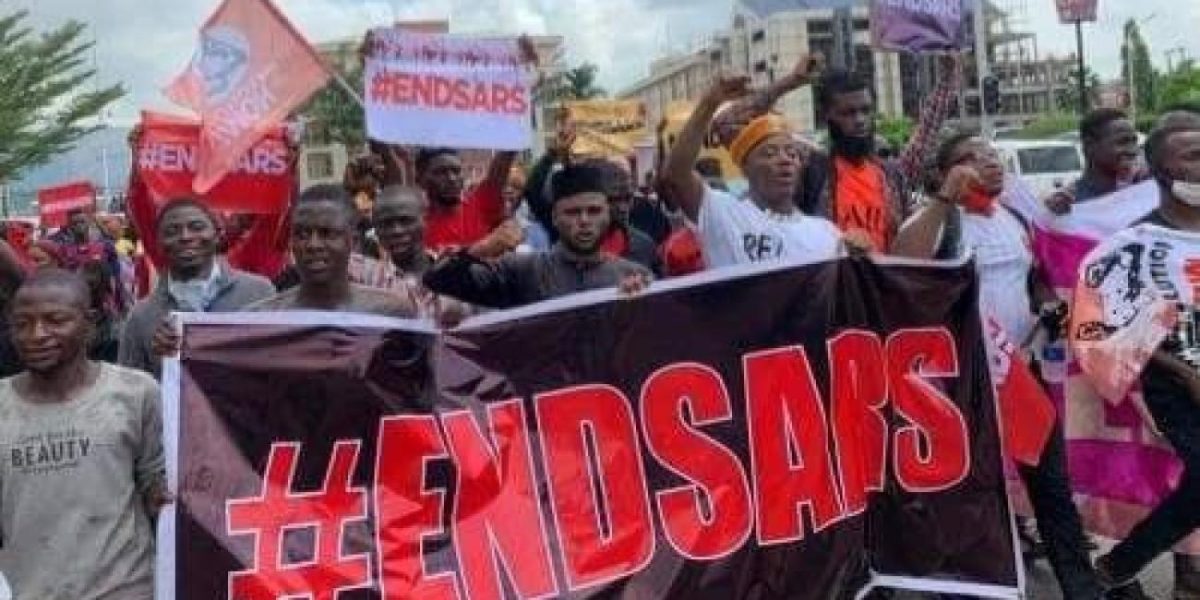
Yet, the broader implications of this stance cannot be ignored. This situation is more than just a local skirmish; it is a microcosm of the broader national struggle between an increasingly assertive citizenry and a government intent on maintaining its grip on power. This confrontation in Rivers State could very well set the tone for similar protests across the nation, as the #EndBadGovernance movement continues to gain momentum.
The #EndBadGovernance Movement: A Cry for Justice or a Pretext for Chaos?
The #EndBadGovernance movement, which initially began as a grassroots campaign against police brutality and corruption, has evolved into a broader platform for Nigerians to voice their frustrations with systemic failures. From poor governance and economic hardship to the lack of basic amenities and widespread corruption, the list of grievances is long and growing.
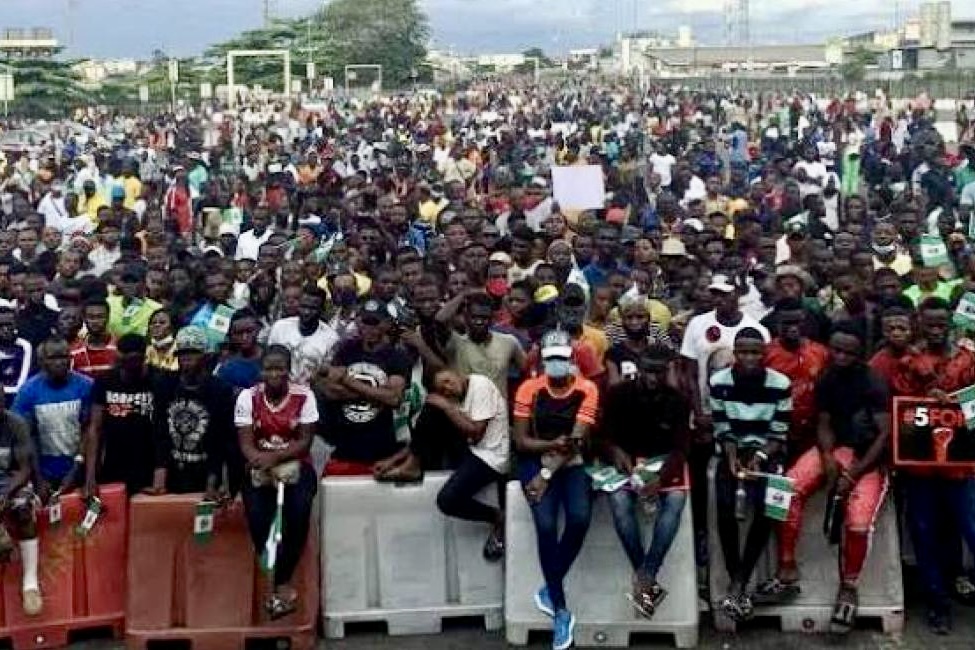
In Rivers State, the movement has taken on a life of its own, with residents from all walks of life joining the protests to demand accountability and change. The planned one-million-man march is not just a protest; it is a declaration of defiance against a system that has failed its people time and again.
However, the Rivers State Police Command’s narrative of potential violence cannot be dismissed outright. The reality is that protests, especially those of this magnitude, can easily be hijacked by elements with ulterior motives. The mention of “miscreants” in the police statement is a reminder that not everyone in the crowd will be there to peacefully demand change. The risk of looting and violence is real, and it is this very threat that the police are using to justify their strict measures.
But does the presence of a few bad actors justify the suppression of an entire movement? Should the fear of violence be allowed to overshadow the legitimate demands of the people? These are the questions that both the government and the citizenry must grapple with as the protest day approaches.
Police Heavy-Handedness: A Recipe for Disaster?
The Rivers State Police Command’s decision to confine the protest to two specific locations is being met with a mix of skepticism and outright anger by many citizens. To them, this is not just a logistical decision but a blatant attempt to stifle their voices and limit the impact of their protest.
The designated venues—Isaac Bora Park and Pleasure Park—are both well-known public spaces, but their selection raises critical questions. Are these locations large enough to accommodate a protest of this scale? Or is the police command deliberately choosing confined spaces to make it easier to control and disperse the crowd if things get out of hand?
Furthermore, the police’s insistence on arresting anyone protesting outside these areas is a clear signal of their intent to clamp down hard on any dissent. But this approach could backfire spectacularly. History has shown that when people are pushed to the brink, they do not retreat—they fight back. The heavy-handedness of the police could very well turn a peaceful protest into a violent confrontation, especially if protesters feel that their right to assemble and express their grievances is being unjustly curtailed.
The police have also placed all tactical units and divisional heads on high alert, with a mandate to implement “robust patrol strategies” and closely monitor their respective areas of responsibility. This militarized approach to crowd control is a double-edged sword. While it may deter some from participating in the protest, it could also escalate tensions and lead to the very violence the police claim to be trying to prevent.
Rivers State’s Precarious Position: A Microcosm of National Discontent
Rivers State, with its rich oil resources and strategic importance, has always been a hotbed of political activity. The state’s history is fraught with instances of civil unrest, often tied to broader national issues. The upcoming protest is no exception. What happens in Rivers State on August 10 could very well set the tone for similar protests across the country.
The issues driving the #EndBadGovernance movement in Rivers State are not unique to the state; they are reflective of the broader challenges facing Nigeria as a whole. The country is grappling with widespread corruption, economic instability, and a lack of basic infrastructure—all of which have contributed to a growing sense of disillusionment among the populace.
But Rivers State is also unique in its resilience. The people here have a long history of standing up against perceived injustices, and this protest is just the latest in a series of efforts to demand better governance. The state’s leaders, particularly Governor Siminalayi Fubara, will need to carefully navigate this situation. How the state government handles the protest could have far-reaching implications, not just for Rivers State, but for the entire nation.
The Role of the Media: Amplifying or Silencing the People’s Voice?
In any protest, the role of the media is crucial. The way the #EndBadGovernance protest is covered will shape public perception and influence the actions of both the government and the protesters. Unfortunately, the Nigerian media landscape is often characterized by bias, with many outlets either aligning themselves with the government or the opposition.
This polarization can distort the true nature of the protest and its underlying causes. For instance, pro-government media might focus on the potential for violence and looting, while downplaying the legitimate grievances of the protesters. Conversely, media outlets sympathetic to the protesters might emphasize police brutality and government corruption, while glossing over any unlawful activities by the protesters.
This selective reporting does a disservice to the public, who deserve to know the full story. It also undermines the credibility of the media, which is supposed to serve as the watchdog of society. As the one-million-man protest approaches, the media must strive to provide balanced and accurate coverage, giving voice to both the protesters and the authorities.
The Broader Implications: A Test for Nigeria’s Democracy
The upcoming protest in Rivers State is more than just a local issue; it is a litmus test for Nigeria’s democracy. The right to peaceful assembly and protest is enshrined in the Nigerian Constitution, but in practice, this right is often suppressed, particularly when it comes to protests against the government.
The way the Rivers State Police Command handles this protest will send a strong message to the rest of the country. If the protest is allowed to proceed peacefully, it will be a victory for democracy and a sign that the government is willing to listen to the voices of its citizens. But if the protest is violently suppressed, it will only deepen the already widespread mistrust between the government and the people.
This protest also comes at a critical time for Nigeria, as the country continues to grapple with economic challenges, insecurity, and political instability. The #EndBadGovernance movement is a reflection of the broader discontent in the country, and how the government responds will be closely watched both domestically and internationally.
Conclusion: The Calm Before the Storm
As the clock ticks down to August 10, the atmosphere in Rivers State is one of nervous anticipation. The planned one-million-man protest is shaping up to be a pivotal moment, not just for the state, but for Nigeria as a whole. The Rivers State Police Command’s decision to confine the protest to two designated areas and their promise to arrest anyone protesting outside of these zones has set the stage for a potential confrontation.
The stakes are high. This protest is about more than just the immediate issues at hand; it is about the future of Nigeria’s democracy and the relationship between the government and its people. The actions of the police, the response of the protesters, and the coverage by the media will all play a crucial role in determining the outcome.
One thing is certain: whatever happens on August 10, 2024, will have lasting implications for Rivers State and the nation at large. Whether this day will be remembered as a turning point in the fight for good governance or as yet another missed opportunity for change remains to be seen. All eyes are on Rivers State as it stands on the brink of history.