Power restored in Abuja after TCN’s delayed tower relocation. Explore the critical challenges and systemic failures in Nigeria’s energy sector.
By Peter Jene
Please, share widely!
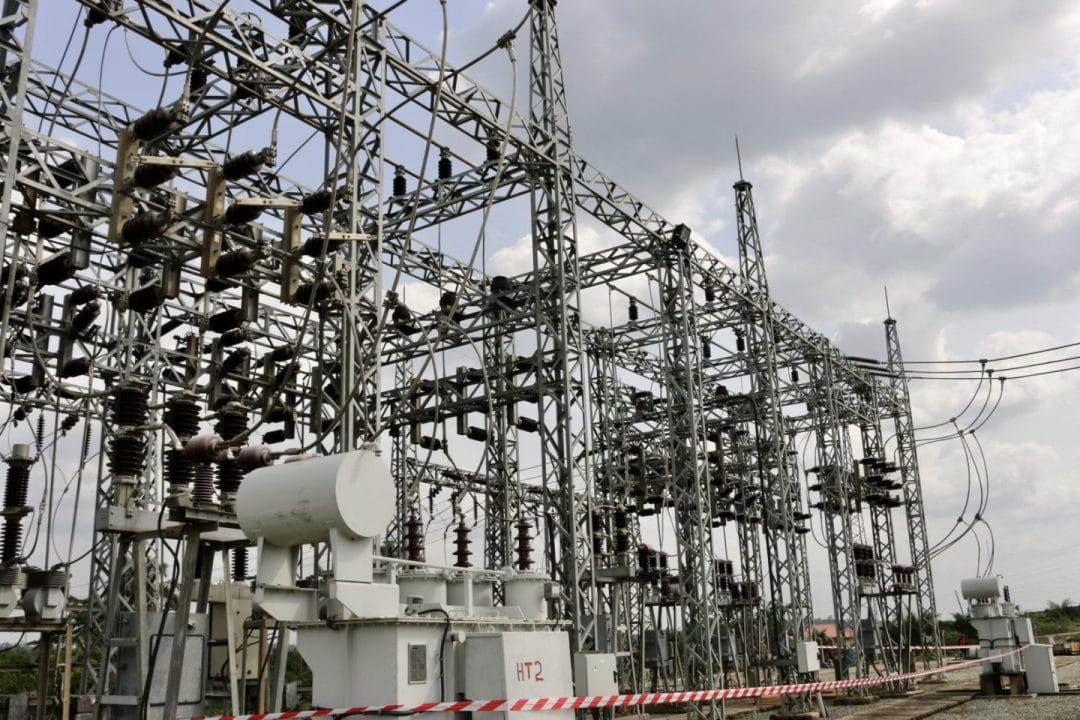
ABUJA, FCT — In a development that has garnered widespread attention, the Transmission Company of Nigeria (TCN) announced the successful relocation of eight 132kV and 33kV towers along the Kukwaba/Apo 132kV transmission line. This milestone, achieved three days after the scheduled deadline, restores full bulk power supply to the 132/33kV Apo Transmission Substation in Abuja, signalling the resumption of normal electricity distribution to the Federal Capital Territory.
However, the project’s delays and its broader implications for Nigeria’s fragile power sector have ignited critical discourse.
A Long-Awaited Resolution
For weeks, residents in parts of Abuja grappled with persistent power outages caused by the relocation of the towers. The TCN, in a statement signed by its General Manager, Public Affairs, Ndidi Mbah, confirmed that the relocation—necessitated by the Federal Capital Development Authority’s (FCDA) road dualisation project—had finally been completed.
“The Transmission Company of Nigeria is pleased to announce the restoration of full bulk power to its 132/33kV Apo Transmission Substation, effective Thursday, January 23, 2025,” the statement read. Despite this optimistic tone, the delayed completion has stirred criticism over project management practices and the perennial inefficiencies plaguing Nigeria’s power sector.
The Scope and Challenges of the Project
The Kukwaba/Apo 132kV transmission line serves as a critical artery for power distribution in Abuja. The relocation of eight transmission towers along this line was deemed unavoidable to accommodate the FCDA’s infrastructural expansion plans. According to TCN, the relocation required dismantling and reconstructing the towers and restringing power cables—a technically complex operation.
Originally slated to conclude on Monday, January 20, 2025, the relocation extended beyond its deadline, sparking frustration among affected residents and businesses. While TCN attributed the delay to logistical challenges and the technical intricacies of the project, critics argue that the delay underscores systemic inefficiencies and a lack of proactive planning.
A Nation’s Power Woes in Microcosm
The delayed completion of the tower relocation epitomises the broader challenges bedevilling Nigeria’s power sector. Despite successive reforms and privatisation efforts, the sector continues to grapple with chronic underinvestment, aging infrastructure, and governance inefficiencies.
The Apo Substation’s temporary shutdown exposed the fragility of the national grid, highlighting the limited redundancy in Nigeria’s transmission infrastructure.
Electricity consumers in Abuja bore the brunt of the disruptions, with many forced to rely on costly alternatives such as generators. The Abuja Electricity Distribution Company (AEDC), which relies on bulk power from the Apo Substation, resorted to load rationing to manage the shortfall. Businesses, particularly small and medium-sized enterprises, lamented the financial strain caused by prolonged power outages.
Public Reactions: Relief Mixed with Skepticism
While the restoration of power has been met with relief, skepticism abounds regarding the sustainability of such interventions. Social media platforms have been awash with reactions, with many Nigerians questioning why the project’s delays were not preemptively addressed.
“This is a classic example of reactive governance,” lamented Abuja resident Adebayo Ojo. “Why wait until there’s a crisis to take action?” Others expressed cautious optimism, urging TCN to adopt a more proactive approach to infrastructure maintenance and upgrades.
Governance and Accountability: The Missing Links
At the heart of the controversy is the issue of governance and accountability. The TCN’s handling of the project—from communication lapses to missed deadlines—has fuelled calls for greater transparency and oversight. Observers argue that the lack of coordination between the FCDA and TCN underscores a systemic disconnect between Nigeria’s infrastructural development initiatives and its power sector planning.
Ndidi Mbah’s statement, while appreciative of the public’s patience, failed to address these broader concerns. “We thank affected electricity consumers for their understanding during this period,” the statement read. However, for many Nigerians, gratitude alone is insufficient in the face of mounting economic and social costs.
A Broader Policy Failure?
The challenges surrounding the Kukwaba/Apo transmission line relocation reflect deeper structural issues within Nigeria’s power sector. Despite billions of dollars in investments, the sector remains unable to meet the nation’s electricity demands. The World Bank estimates that Nigeria loses over $29 billion annually due to unreliable power supply—a staggering figure that underscores the urgency of reform.
The privatisation of power generation and distribution companies in 2013 was heralded as a transformative step toward efficiency. Yet, over a decade later, power supply remains erratic, with transmission—the critical link between generation and distribution—emerging as a glaring weak point. Industry experts argue that the TCN, which remains under government control, requires significant restructuring to address its operational inefficiencies.
The Way Forward: Policy Recommendations
To prevent future disruptions and bolster Nigeria’s power infrastructure, experts advocate for the following measures:
Increased Investment in Transmission Infrastructure: The government must prioritise investment in the transmission network to enhance capacity and redundancy. Public-private partnerships could play a pivotal role in mobilising the necessary funding.
Strengthened Institutional Coordination: Improved collaboration between agencies such as the FCDA and TCN is essential to align infrastructural projects with power sector needs.
Enhanced Project Management: Adopting best practices in project planning and execution can minimise delays and cost overruns. TCN’s project management capabilities must be overhauled to ensure timely delivery of critical infrastructure.
Transparent Communication with Stakeholders: Effective communication with the public and other stakeholders is crucial to managing expectations and fostering trust.
Comprehensive Power Sector Reform: The federal government must revisit its power sector reform agenda, addressing regulatory bottlenecks and incentivising investment in renewable energy solutions.
A Cautionary Tale for Nigeria’s Power Sector
The successful relocation of the Kukwaba/Apo transmission towers marks a significant milestone for the TCN and the residents of Abuja. However, the delays and disruptions that marred the project serve as a stark reminder of the systemic challenges undermining Nigeria’s power sector.
As Nigeria aspires to become a leading economy in Africa, reliable and sustainable electricity supply remains a non-negotiable prerequisite. The lessons from this episode must not be ignored. For the TCN and other stakeholders, the task ahead is clear: to build a power sector that not only meets the immediate needs of Nigerians but also lays the foundation for long-term growth and development.
Additional report by Peter Jene
Atlantic Post Senior National Correspondent