ABUJA, Nigeria — Security forces forced protesters demanding the release of Indigenous People of Biafra leader Nnamdi Kanu to disperse after a day of converging marches, teargas and reported gunfire that left the Federal Capital Territory tense and many asking how fragile Nigeria’s civic space has become.
The demonstrators regrouped at Utako after being driven from Maitama by clouds of tear gas. They were again met with a heavy presence of police. Soldiers and operatives of the Department of State Services were also there. The crackdown triggered panic across major corridors and saw arrests and temporary closures that snarled the city.
The protest convened under the #ReleaseNnamdiKanuNow and #FreeNnamdiKanu banners. It sought to press the Federal Government. Supporters want compliance with a 2022 Court of Appeal judgment, which they say discharged and acquitted Kanu.
Organisers, civil rights groups and some lawyers argued the demonstration was peaceful and constitutional. Security forces took a different view and pushed demonstrators back from the Transcorp Hilton area and later from Utako, using multiple rounds of tear gas and, according to witnesses, firing into the air as they moved.
Video and eyewitness accounts show commuters and traders fleeing as canisters detonated and streets choked with gas.
A City Choked by Security
The event started as a series of small gatherings, according to attendees. Yet, it quickly escalated. Police lines and armoured vehicles sealed routes to the Three Arms Zone, Eagle Square, and the Federal Secretariat.
Soldiers were visibly deployed at strategic junctions. A gun truck was reported at Berger roundabout. This demonstrates the scale and choreography of the response.
The deployment mirrors a pattern from earlier high profile demonstrations. In these, police and military contingents combine forces to impose order in the capital.
Omoyele Sowore, the activist who helped convene the rally, described an unprovoked escalation. He said a large contingent of security agents arrived as the protest began and that, despite protest organisers’ assurances of a peaceful march, operatives fired tear gas and, in some accounts, live rounds into the air.
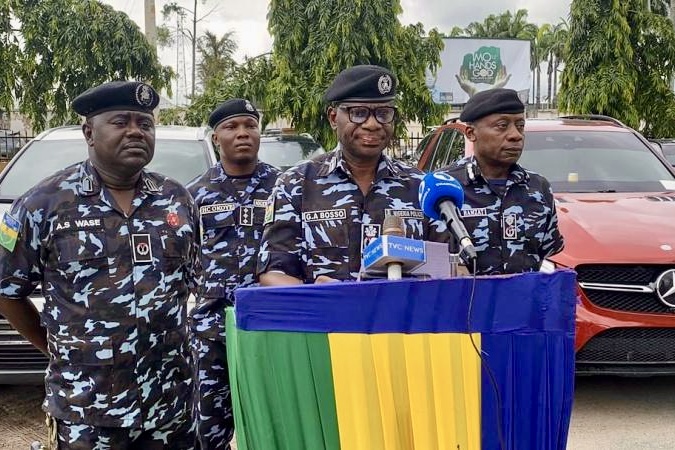
Channels Television and other on the ground reporters captured scenes of protesters fleeing and banners abandoned on the pavement. Authorities have not, at the time of reporting, released a detailed operational account explaining the use of force.
Legal and Political Tension
The demonstration sits at the intersection of law, politics and a long unresolved national wound. Supporters refer to the 2022 Court of Appeal decision. They contend this decision discharged and acquitted Kanu. They say his continued detention is unlawful.
The Federal Government and security agencies claim Kanu must face charges and have argued legal processes stay active. That contradiction has festered for years and is a flashpoint for renewed mobilisation across the Southeast and among diaspora supporters.
That legal ambiguity fuels the political stakes. For many in the Southeast the Kanu case is emblematic of perceived marginalisation going back decades. The memory of the 1967–70 Nigerian Civil War and the humanitarian catastrophe that followed remains raw.
Scholars estimate civilian deaths from that conflict to be in the hundreds of thousands to more than a million. This historical trauma colours contemporary secessionist agitation. It explains why public demonstrations quickly take on existential significance for some communities.
Human Rights and the Rules of Engagement
Today’s events raise urgent questions about proportionality and the policing of peaceful assembly. Tear gas is a recognised crowd control tool. Still, its use in dense commercial corridors creates unnecessary risk. It also poses a threat near bystanders to life and property.
Reports from the scene describe traders and commuters. They were not part of the demonstration but suffered the effects of the gas. There was also a temporary shutdown of several markets and plazas.
Independent monitoring groups will need to verify claims of arrests, injuries and any use of live ammunition. International agencies have earlier warned that heavy handed responses can escalate, rather than contain, protest movements.
What the Law Requires
Under Nigeria’s constitution the right to peaceful assembly is guaranteed, subject to reasonable restrictions for public order. Where a court order or policing directive exists, organisers must be notified. They should challenge it through the courts if they consider it unlawful.
The appearance, nevertheless, of security agents preventing demonstrations aimed at enforcing a judicial outcome creates an uncomfortable constitutional paradox.
Lawyers advising the demonstrators argue. They believe the rule of law is best affirmed by allowing lawful assemblies. Additionally, alleged contempt should be promptly addressed through the courts rather than through preventive force.
The Wider Security Context
The Kanu protests occur against a backdrop of continuing insecurity in parts of the country. This includes violent attacks in the Southeast. These attacks have been variously attributed to armed factions.
The federal government points to security threats when justifying tough measures. Human rights observers counter that conflating peaceful political protest with violent insurgency permits excessive responses that erode civic liberties.
Either way, deploying military assets into the capital for domestic law enforcement tasks creates blurred lines. Many democracies keep these lines clear.
What Happened Next
By midday, security forces had cleared many of the principal arteries leading to Aso Rock. The presence of armoured vehicles and checkpoints made movement difficult across the city. Some organisers said they had submitted notices of intention to protest but were blocked. Others accused the police of pre-emptive aggression.
At least one journalist was briefly detained and later released, according to international wire reports. Independent verification of arrests and whether any journalists or bystanders were injured is underway.
Political Fallout and What Comes After
The immediate political consequence is to be heightened activism among IPOB supporters. Positions are hardening in court and in the streets. The broader consequence is the further erosion of public confidence in institutions charged with balancing security and civil liberties.
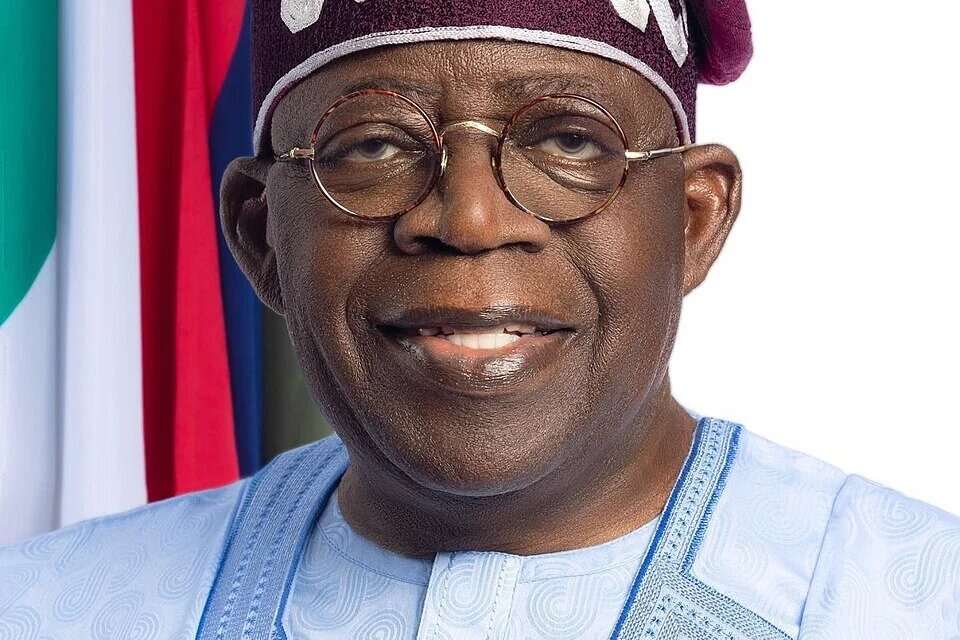
For the Tinubu administration the operational calculus is fraught. Heavy handed tactics offer short term control but they risk amplifying grievances and international scrutiny.
For opposition and human rights groups, the images of teargas and soldiers in the capital serve as a rallying cry. They aim to keep pressure on the judiciary and state institutions to act transparently.
What Investigative Reporting Will Focus On
Atlantic Post will pursue several enquiries in the days ahead. We will seek official explanations from the Nigeria Police Force. We will also ask for information from the Department of State Services about their rules of engagement during the protest. We will document the health impact on civilians and compile an independent tally of arrests. We will scrutinise the legal basis for the ongoing detention of a man.
His supporters assert he was discharged and acquitted in 2022. We will examine whether the deployment of military assets in a policing role complied with existing legislation and constitutional safeguards. Finally we will reach out to international human rights monitors for their assessments.
Concluding Points
Monday’s scenes in Abuja were a reminder that Nigeria’s democracy remains brittle. The dispute over Nnamdi Kanu’s liberty goes beyond a single legal case. It reflects unresolved historical grievances. It also highlights contested sovereignties. Additionally, it points to a security state that sometimes answers civic dissent with force. The right to protest is not a favour granted by power. It is a constitutional liberty that tests the maturity of institutions.
The next steps by the courts, the security services and the Presidency are crucial. They will tell us whether the rule of law will predominate. Alternatively, the rule of force will take precedence. Atlantic Post will continue to follow developments and publish evidence based reporting as it becomes available.
Follow us on our broadcast channels today!
- WhatsApp: https://whatsapp.com/channel/0029VawZ8TbDDmFT1a1Syg46
- Telegram: https://t.me/atlanticpostchannel
- Facebook: https://www.messenger.com/channel/atlanticpostng