By Osaigbovo Okungbowa, Senior Political Correspondent
Breaking News: A Chilling Echo of Authoritarianism in Abuja
In a stunning display of state power, security operatives forcefully dispersed peaceful protesters in the Karu area of the Federal Capital Territory (FCT) on Monday morning. The protesters, who were just beginning to assemble, found themselves at the receiving end of tear gas and arbitrary arrests, in a move that underscores the growing tension between Nigerian citizens and the government.

The Incident: A Harrowing Tale of Suppression
According to eyewitness accounts and our correspondents on the ground, the security forces wasted no time in confronting the protesters. Yahaya Abdullahi, one of the protesters, shared his firsthand experience with our correspondent. “Our people were just coming out and the police and other security agents started tear-gassing us and arrested some of our people; we know of three for now,” Abdullahi recounted, his voice tinged with a mix of fear and anger.
The Context: A Nation on Edge
This incident comes on the heels of escalating nationwide protests fueled by discontent over the government’s handling of various socio-economic issues. From the removal of fuel subsidies to the skyrocketing cost of living and the perceived erosion of civil liberties, Nigerians from all walks of life have been vocal in their demand for change. The hashtag #EndBadGovernance has become a rallying cry, resonating deeply with the youth and the marginalized.
The Government’s Stance: A Thin Veil of Control
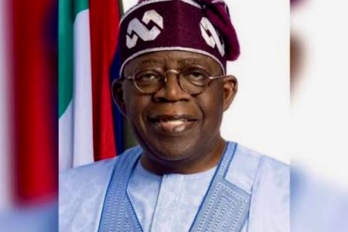
President Bola Tinubu’s administration has been under intense scrutiny, with critics accusing it of being out of touch with the plight of ordinary Nigerians. The government’s response to the protests has been marked by a combination of rhetoric and heavy-handed tactics. In a recent address to the nation, President Tinubu attempted to placate the populace with promises of economic reform and development. However, his words have done little to quell the growing unrest.
Analyzing Tinubu’s Address: A Missed Opportunity
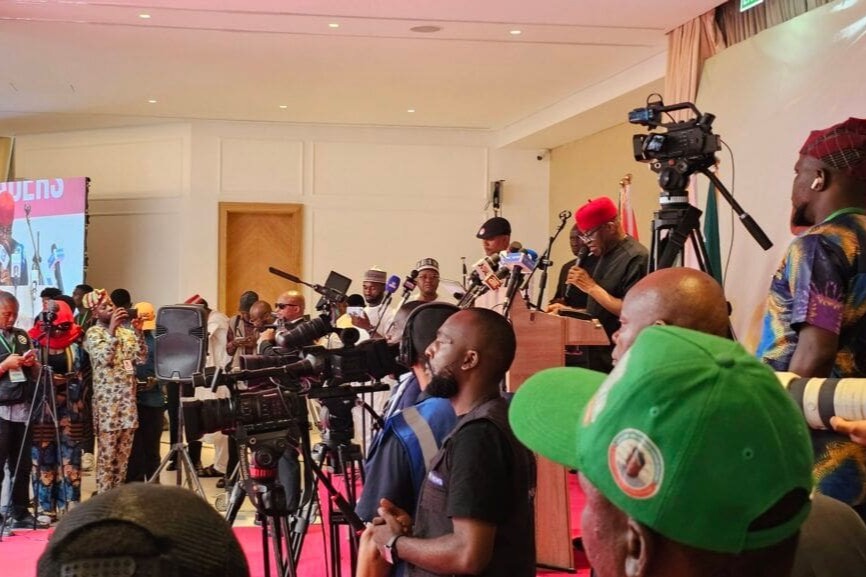
President Tinubu’s speech, delivered amidst the backdrop of nationwide protests, was widely anticipated. However, many, including the main opposition party, the Peoples Democratic Party (PDP), have criticized it as lacking substance and failing to address the core issues plaguing the nation. The PDP, in a scathing press statement, accused the President of insensitivity and diversionary tactics, highlighting the administration’s failure to propose concrete measures to alleviate the hardships faced by Nigerians.
The Real Issues: Fuel Subsidies and Economic Hardship
At the heart of the discontent are the removal of fuel subsidies and devaluation of the country’s currency, the Naira, two policies that have sent shockwaves through an economy already reeling from high inflation and unemployment. The resultant sudden hike in fuel prices has had a domino effect, driving up the cost of goods and services and pushing many Nigerians further into poverty. For a country where millions live on less than a dollar a day, these policy shifts have been nothing short of catastrophic.
The Role of Security Forces: Instruments of Repression?
The deployment of security forces to disperse peaceful protests raises serious questions about the state of democracy and civil liberties in Nigeria. The use of tear gas and the arrest of protesters in Karu is not an isolated incident but part of a broader pattern of state repression. Human rights organizations have documented numerous cases of excessive force, unlawful detention, and even extrajudicial killings by security operatives.
The Human Cost: Voices from the Frontlines
To understand the full impact of these events, it is crucial to listen to the voices of those on the frontlines. Protesters like Yahaya Abdullahi represent a cross-section of Nigerian society – young, hopeful, and increasingly disillusioned with the status quo. Their stories of bravery and resilience in the face of adversity paint a poignant picture of a nation at a crossroads.
The International Perspective: Watching Nigeria
The international community has been watching the unfolding situation in Nigeria with growing concern. Various human rights organizations, foreign governments, and international bodies have called for restraint and dialogue. However, the response from the Nigerian government has been defiant, insisting on its right to maintain law and order.
What Needs to Change: A Path Forward
To move forward, the Nigerian government must address the root causes of the unrest. These include revisiting the fuel subsidy and currency devaluation policies, implementing economic reforms that genuinely benefit the populace, and upholding the rule of law and civil liberties. Dialogue, not repression, should be the cornerstone of the government’s approach to resolving the current crisis.
Conclusion: A Call to Action
The events in Karu are a stark reminder of the fragile state of democracy in Nigeria. As security operatives continue to use force against peaceful protesters, the call for justice and accountability grows louder. It is imperative that the government heeds this call and takes meaningful steps to address the grievances of its citizens. The future of Nigeria depends on it.