By Taiwo Adebowale
In a dramatic turn of events, the Nigeria Police Force (NPF) has issued a stern warning to organized labour, urging them to cancel their proposed nationwide strike and comply with legal procedures. This announcement comes in the wake of escalating tensions surrounding the recent declaration by the Federal Government deeming the planned strike illegal and premature.

An Unprecedented Call for Restraint
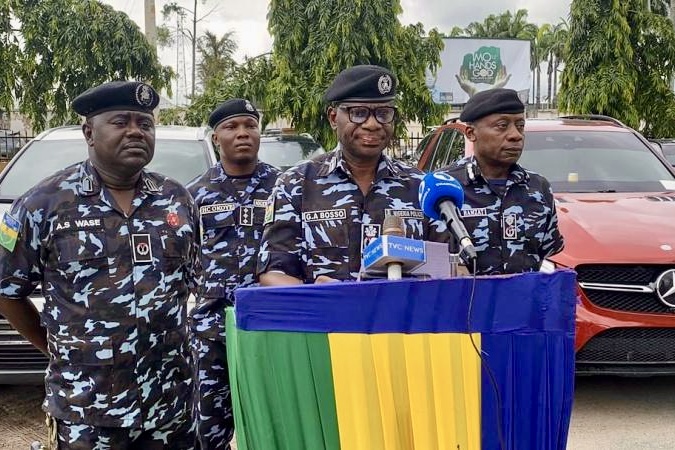
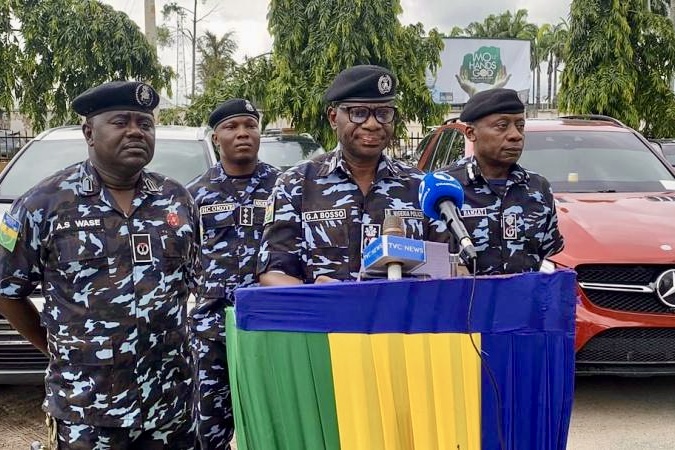
The NPF’s press release, signed by ACP Olumuyiwa Adejobi, on behalf of Inspector General of Police (IGP) Kayode Egbetokun, the Force Public Relations Officer, was unequivocal in its message. It emphasized the critical need for organized labour to adhere to existing laws governing strike actions to prevent a potential breakdown of law and order across the country. While acknowledging the right of organized labour to advocate for workers’ interests, the NPF underscored the importance of maintaining stability and avoiding actions that could incite political instability.
“The Nigeria Police Force, while acknowledging the recent announcement by organized labour regarding the intention to embark on a nationwide strike action and understanding the right of organized labour to engage in such actions to advocate for the interests of all workers, wishes to emphasize the importance of adherence to the existing laws governing such activities; and calls for caution to prevent a breakdown of law and order within the country,” stated ACP Adejobi.
The Federal Government’s Stance
The Federal Government’s recent declaration branding the proposed strike as illegal has added fuel to an already volatile situation. This declaration is based on the argument that the strike is premature given the ongoing deliberations within the Tripartite Committee, which is actively negotiating a new minimum wage. The government’s position is that any premature industrial action could derail these crucial negotiations and impose severe hardships on the general public.
Organized Labour’s Perspective
Organized labour, represented primarily by the Nigerian Labour Congress (NLC) and the Trade Union Congress (TUC), has been vocal about its dissatisfaction with the current minimum wage and the pace of negotiations. The demand for a significant wage increase is rooted in the rising cost of living, inflation, and the need to ensure that workers are adequately compensated for their contributions.
However, the NPF’s warning suggests that organized labour’s proposed methods of advocacy could lead to unintended and severe consequences for national stability.
Ensuring Public Safety
In a move to reassure the public, the NPF has announced that extensive security deployments have been made nationwide to ensure that citizens can continue their daily activities without disruption. This is a clear indication of the seriousness with which the government is taking the potential threat of the strike.
“The Nigeria Police Force assures the public that ample deployments have been made across the country to ensure that citizens can go about their lawful duties without hindrance. Therefore, all members of the public are encouraged to remain calm and continue with their lawful daily activities,” said ACP Adejobi.
The Importance of Dialogue
Central to the NPF’s message is a call for continued dialogue. The force urged organized labour to return to the negotiating table and exhaust all legal avenues before resorting to strike action. This approach, the NPF argues, is crucial in preventing untold hardships on the public and maintaining order.
“The NPF hereby urges organized labour to proceed with the ongoing deliberations at the Tripartite Committee, which is focused on determining a new minimum wage, and shelve the planned strike as such decision is essential to prevent untold hardships on members of the public and maintain order and stability within our country,” the statement reads.
A Complex Situation
The call for restraint by the NPF highlights the complexity of the situation. On one hand, there is a legitimate need for workers to be fairly compensated, especially in light of economic challenges. On the other hand, the government and security forces are focused on maintaining national stability and preventing actions that could exacerbate existing tensions.
Potential Economic Impacts
The proposed strike, if carried out, could have significant economic implications. Industrial actions of this scale can disrupt economic activities, affect productivity, and potentially deter foreign investment. The government’s concern is that such disruptions could further weaken an already fragile economy, leading to increased unemployment and poverty rates.
Political Ramifications
Politically, the situation is a tightrope for the government. Balancing the need to address workers’ grievances while maintaining law and order is a delicate task. The government’s handling of this crisis could influence public perception and trust in its ability to manage economic and social challenges effectively.
Public Response
Public reaction to the NPF’s statement has been mixed. While some citizens understand the need for stability and legal compliance, others express frustration over the slow pace of wage negotiations and the persistent economic hardships they face. Social media platforms have been abuzz with debates, reflecting the divided opinions on the issue.
The Way Forward
As the situation unfolds, the emphasis on dialogue and legal processes remains paramount. The Tripartite Committee’s negotiations are crucial in finding a middle ground that satisfies both the demands of organized labour and the government’s need to maintain economic and social stability.
The NPF’s call for calm and legal compliance is a reminder of the importance of structured negotiations in resolving complex issues. The coming days will be critical as both sides work towards a resolution that prevents disruption and ensures fair treatment for Nigerian workers.
Conclusion
In conclusion, the NPF’s urgent call for organized labour to abandon their proposed strike and adhere to legal procedures underscores the delicate balance between advocating for workers’ rights and maintaining national stability. The potential economic and political ramifications of a nationwide strike are profound, and the emphasis on dialogue and legal compliance is a crucial step in resolving this standoff.
As the nation watches closely, the hope is that all parties involved will prioritize the collective good of Nigeria, ensuring that the rights of workers are respected while maintaining the stability and security essential for economic growth and development.
Taiwo Adebowale is Atlantic Post Senior Business Correspondent