By Editor
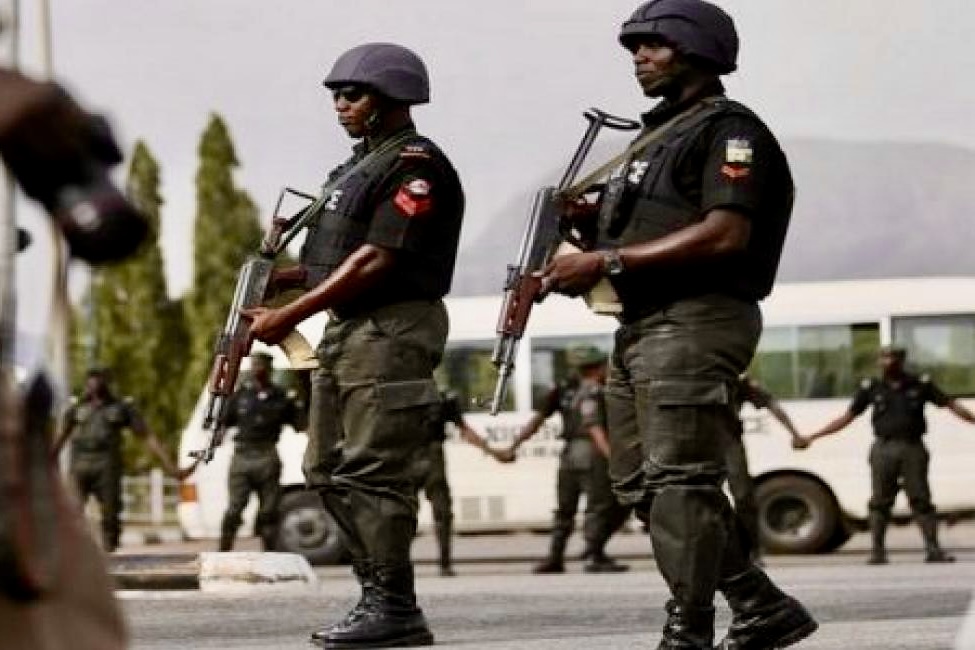
In an explosive and unapologetically critical statement following the Edo State weekend election debacle, Labour Party stalwart and 2023 presidential candidate, Mr. Peter Obi, did not mince words. His condemnation was scathing, targeting both the conduct of the election and the actors responsible for what he termed as “state capture.” In his assessment, the Edo election stands as yet another ominous sign that Nigeria’s democracy is being systematically dismantled by powerful interests. For Obi, the implications are dire: a fatally flawed leadership recruitment process, a nation on the brink of irreversible decline, and a political elite whose days in office are numbered.

The Edo Election: A Democratic Farce or A Coordinated Coup?
“What happened over the weekend in the name of election in Edo State does not in any way represent the democratic process we chose as a method of electing our political leadership,” Obi remarked, in a blistering rebuke of what he witnessed. To those hoping that his statement would be a routine condemnation, he left no room for misinterpretation. “It was a blatant example of ‘state capture’ and continued gross undermining of our democratic process and values.”
The words “state capture” are not mere rhetoric; they speak to a deep and dangerous reality in Nigerian politics. Obi’s use of the term alludes to a situation where state institutions are commandeered by private interests or political elites for their own gain, at the expense of the greater good. By pointing to Edo’s election, Obi has, in effect, accused the ruling establishment of manipulating the democratic process to retain power, regardless of the will of the people.
Obi’s stance is particularly significant because it goes beyond the typical critiques of electoral violence and rigging that have plagued Nigerian elections for decades. What he is alleging here is more insidious — an orchestrated coup of Nigeria’s democratic systems by political elites and institutions meant to serve the people. His assertion that “any nation whose leadership recruitment process is so fatally flawed is doomed” is a chilling reminder of the consequences of allowing such anti-democratic practices to thrive.
Nigeria’s Dying Democracy: A Country on the Brink
For Obi, the rot goes beyond Edo State. His message is clear: this election is emblematic of a wider, systematic crisis facing Nigeria. “We are all seeing the effect in our country,” he stated grimly, reflecting on the mounting socio-economic and political challenges bedevilling the nation. Nigeria, with its crippling inflation, spiking unemployment rates, insecurity, and rising ethnoreligious tensions, stands at a dangerous precipice. Obi’s statement hints at a broader truth — that Nigeria’s failed elections are not just a symptom of political corruption, but the root cause of the country’s spiralling descent into chaos.
The real tragedy, Obi suggests, is that these failures are self-inflicted. Nigeria, he believes, has the tools necessary to conduct free and fair elections. “As a country, we have invested significantly in IReV and BVAS, and they must be allowed to function and used properly,” Obi insisted, referencing the Independent National Electoral Commission’s (INEC) much-vaunted innovations like the Bimodal Voter Accreditation System (BVAS) and the INEC Result Viewing Portal (IReV). These technologies, designed to promote transparency and reduce electoral fraud, have been heralded as game-changers. But their effectiveness hinges on the will of those in power to allow them to work as intended. Obi’s frustration is palpable; while Nigeria has the infrastructure for credible elections, the human factor — those in charge of the systems — continues to undermine the entire process.
A Dire Warning to Political Elites: ‘Your Time in Office is Not Eternal’
One of the most powerful aspects of Obi’s statement is his direct warning to those in authority. He pulls no punches in addressing both the state actors and complicit individuals involved in rigging elections. “I urge those in authority not to allow this situation to stand, or depend on it to remain in power,” he warned. To Obi, the implications of allowing fraudulent electoral processes to become the norm are far-reaching, not just for Nigeria but for those who perpetuate these corrupt practices.
“Your time in office is not eternal,” he cautioned the political class. This statement is as much a warning as it is a prophetic declaration. History has shown that regimes founded on electoral manipulation rarely last. While they may succeed in the short term, they sow the seeds of their eventual collapse. The masses, disillusioned and disempowered, inevitably rise to reclaim their rights. Obi’s message is clear: those who think they can remain in power through undemocratic means are only prolonging the inevitable reckoning.
His warning extended beyond the political elite to the “lecturers and others complicit in perpetuating this charade,” in reference to the educators and civil servants often co-opted into rigging elections. Obi’s indictment of their involvement is a rare acknowledgment of the complicity of these less visible actors. “You must reflect deeply on the roles you are playing in damaging the very foundation of our democracy,” he urged, cautioning that the damage they do today will affect not only themselves but their children and future generations.
The Repercussions of Electoral Fraud: Nigeria’s Looming Political Apocalypse
Obi’s warnings reflect a deeper fear for the future of Nigeria. The Labour Party leader believes that if the current trajectory of electoral malpractice continues, the consequences will be catastrophic. “The society that you are helping to destroy today will eventually take her revenge on you tomorrow,” he declared, an ominous reminder that those who manipulate democratic systems to gain power ultimately face the backlash of the very people they disenfranchise. It is not just a moral argument but a historical truth — nations that allow their democratic institutions to decay inevitably fall into chaos, civil unrest, and sometimes even violent uprisings.
In his broader message, Obi reaffirms his commitment to saving Nigeria from this fate. “I remain committed to building a new and truly democratic Nigeria, which I insist is very POssible,” he stated with characteristic optimism. Obi’s play on words, emphasising the possibility of a new Nigeria, underscores his belief that change is still achievable, despite the current grim reality. Yet, this optimism is tempered by the stark warnings he delivers throughout his statement. Nigeria’s future, he implies, hinges on the urgent restoration of the democratic process.
BVAS, IReV, and the Path Forward: Fixing Nigeria’s Electoral System
One of the central tenets of Obi’s argument is his call for the proper use of Nigeria’s electoral innovations. The introduction of BVAS and IReV were meant to be watershed moments for Nigeria’s democracy, heralding a new era of transparency and accountability. These technologies, designed to ensure that votes are accurately counted and results are publicly accessible, were supposed to end the era of ballot-box stuffing and rigged results. Yet, as Obi points out, the issue lies not in the systems themselves but in the refusal of those in power to use them as intended.
Obi’s plea for these technologies to “function and be used properly” is a pointed reminder that technology alone cannot fix Nigeria’s broken electoral process. What is required is the political will to ensure that these systems are deployed effectively and honestly. Without this, even the most advanced electoral tools will be rendered useless, allowing election rigging to persist unchecked.
A Call to Action: Restoring Nigeria’s Democratic Values
In closing, Obi reiterated his commitment to restoring democracy in Nigeria, emphasising that true leadership is about “saving the country and making it work for everyone, regardless of their background.” His message is one of both warning and hope — a call to action for all Nigerians to fight for a democratic future, but also a sobering reminder of the stakes if they fail to do so.
Nigeria, as Obi frames it, is at a critical crossroads. The choices made today, particularly regarding the integrity of its elections, will determine whether the country can reverse its downward spiral or whether it will continue its slide into authoritarianism and instability. For Peter Obi, the answer lies in restoring the democratic process and holding accountable those who undermine it — a task that requires not just technology but the collective will of the Nigerian people.