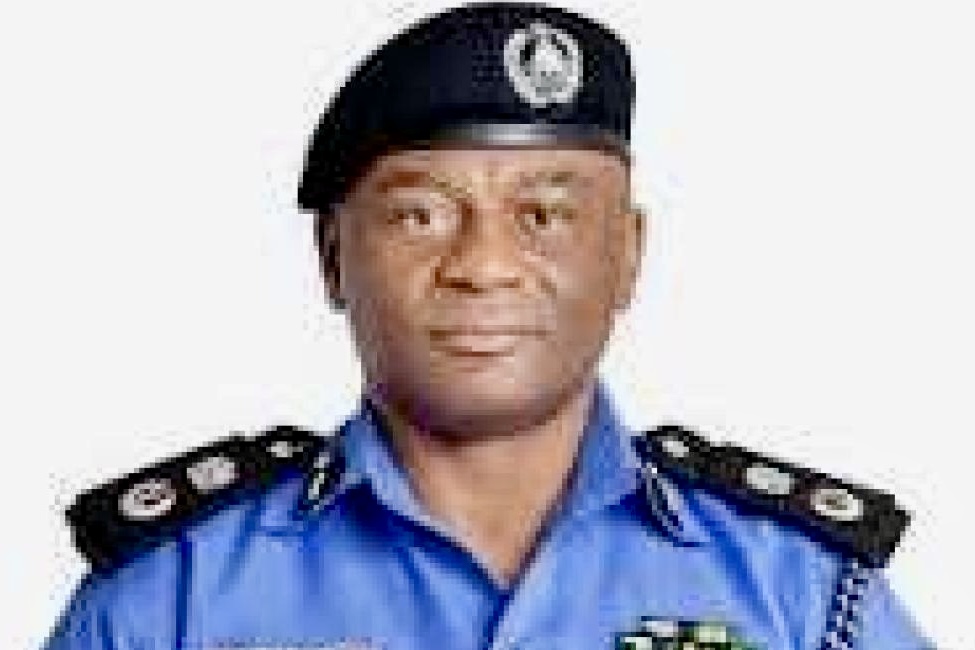
A fresh and bruising leadership battle has ripped open the Peoples Democratic Party. On Saturday a faction aligned with Senator Samuel Anyanwu announced the suspension of the Acting National Chairman. The faction is widely reported as backed by the Minister of the Federal Capital Territory, Nyesom Wike. They also announced the suspension of five other members of the party’s National Working Committee.
The move completes a rapid escalation of reciprocal expulsions and counter-suspensions that have paralysed the party’s national machinery.
Senator Anyanwu briefed reporters in Abuja on behalf of the dissident NWC. He named the party’s National Vice Chairman (North Central), Mohammed Abdulrahman, as Acting National Chairman. He added that the suspensions were for offences including incompetence, alleged financial misconduct and disregard for court orders.
The individuals suspended include the Acting National Chairman, who was named in competing reports as Amb Illiya or Umar Damagum. Also suspended were the National Publicity Secretary Debo Ologunagba and Deputy National Vice Chairman (South) Taofeek Arapaja. The list continues with National Financial Secretary Daniel Woyenguikoro, National Youth Leader Sulaiman Kadade, and Deputy National Secretary Setonji Koshoedo.
The announcement follows a bitter tit for tat. The NWC under Damagum earlier suspended Senator Anyanwu and others. There has been a pattern of legal interventions. These interventions have repeatedly drawn courts into internal party matters. Senior jurists and the apex court have described them as such at times.
That background matters. In March 2025, the Supreme Court set important precedent. It nullified lower court judgments that had sought to remove Senator Anyanwu as PDP National Secretary. This decision stressed limits to judicial intervention in purely internal party disputes. The ruling has intensified factional confidence on both sides.
For readers tracking party stability this is not novel. The PDP has endured recurring episodes of factionalism since 2014. Still, the current crisis is unusual. It combines reciprocal suspensions, pending disciplinary committee proceedings, and active invocation of court orders. These have already hindered the party’s plans for a national convention.
Earlier interventions by the courts and counterclaims over the legitimacy of officers delayed critical decision making. These issues weakened the party’s capacity to show a united front to voters and stakeholders.
What does this mean politically. Practically, it increases uncertainty. A functioning leadership is needed to call a credible national convention. It is also necessary for negotiating alliances ahead of the 2027 electoral cycle.
Institutionally, it risks further fragmentation of the PDP’s already fragile national brand. It is true that it may push aggrieved governors, state executives, or governors’ forum members to recalibrate their loyalties.
Legally, the immediate consequence is to be more litigation. There will also be emergency meetings of the Board of Trustees and governors’ caucus to try to stabilise the structure.
Several lines of enquiry remain essential for independent reporting.
First, provide documentation of the formal grounds for each suspension. Include access to the letters of suspension and the Disciplinary Committee referrals.
Second, verification is needed of who is recognised by the party’s constitutionally constituted organs. We also need to know whether NEC or BoT have endorsed the Anyanwu pronouncement.
Third, an audit trail for alleged financial misconduct cited against the National Financial Secretary.
Finally, interviews with governors and zonal leaders will show whether the announcement changes state alignments or is largely declaratory.
At stake is more than personnel. The PDP’s ability to present a coherent opposition platform is crucial. They need to manage internal disputes without public spectacle. The party must field a united campaign machine in the coming general election. This all hangs on how the party’s senior figures manage the crisis in the next days.
For now the PDP remains a party split between competing centres of power. The proximate contest is disciplinary. The deeper contest is control of the party’s future direction.
Follow us on our broadcast channels today!
- WhatsApp: https://whatsapp.com/channel/0029VawZ8TbDDmFT1a1Syg46
- Telegram: https://t.me/atlanticpostchannel
- Facebook: https://www.messenger.com/channel/atlanticpostng