The short video that has gone viral under the narration of an account known as The Moon has reopened raw questions about discipline, due process and morale inside the Nigerian Army.
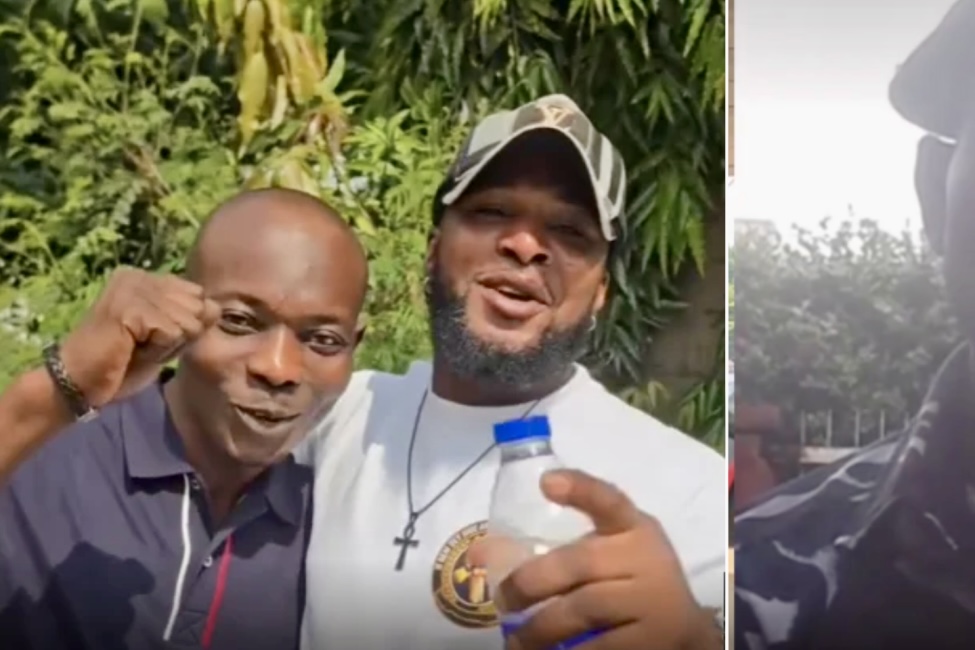
The clip is widely shared and reported by SaharaReporters. It mentions that a soldier popularly called King Dino or Wisdom Man was demoted and dismissed. This occurred after 19 years in uniform amid allegations of cultism and insubordination.
The narrator insists the man had been a frontline fighter against Boko Haram. His pay and access to his account were blocked for as long as a year before the dismissal.
That account, if correct, is combustible. Veterans and serving soldiers say perceived slights harm morale. Opaque disciplinary procedures also corrode morale. These issues feed a longstanding problem of absence without leave. They also contribute to desertion from the north east theatre.
The phenomenon is not new. In recent years, the Army has declared soldiers wanted for desertion. It has also publicly dismissed personnel for desertion and other offences. These actions illustrate the institutional tension between punishment and retention.
In 2021 the Army declared dozens of officers and soldiers wanted for desertion, a measure publicly reported by national outlets.
The allegation of cultism is especially sensitive. Over the past five years the Army has periodically reported operations and dismissals tied to cultism and criminality. These reports cover pockets in the north east and elsewhere. Some cases involved soldiers dismissed after being implicated in kidnapping and cult-related incidents.
That history helps explain why the institution says it will not tolerate criminality in its ranks. It also underlines the need for transparent military justice. This transparency ensures that individual careers and reputations are not destroyed by rumour.
Independent figures suggest the scale of disengagement among troops is worrying. International assessments and local reporting show significant numbers of soldiers have fled or been dismissed in recent years.
Estimates of deserters run into the low hundreds between 2019 and 2022. Poor welfare, unclear rules of engagement and perceived unfair treatment are repeatedly cited by insiders as drivers of the problem.
Those figures explain why any allegation about a long-serving frontline soldier is serious. Claims that such a soldier was demoted and had their pay frozen need public answers. Furthermore, if they were then dismissed, it demands even greater scrutiny.
Journalistic standards require verification. The video and the claims it carries must be tested against service records. They must also be checked against the soldier’s court martial or disciplinary file. Furthermore, an official account from Army headquarters is required.
SaharaReporters carried the original narrative and details of the allegations. Nevertheless, they did not publish an Army rebuttal in the same piece. That leaves a public information gap at the heart of this story.
For commanders and policymakers the calculus is stark. Discipline is the lifeblood of any army. So too is trust. If frontline veterans who fought in the north east believe they can be demoted without a transparent process, they will lose trust. Dismissals handled this way will also harm recruitment and retention at a critical moment. Conversely, if criminality exists within the ranks it must be rooted out swiftly and fairly. The two aims are not mutually exclusive but they require public procedures and clear communication from the Defence Headquarters.
Recommendations for immediate action are straightforward. The Army should publish a statement that clarifies the facts in this specific case, including whether a formal tribunal sat and the grounds and evidence that led to dismissal. If salary or bank access was frozen disciplinary authorities must explain the legal basis and duration. Finally, an independent review of disciplinary practices affecting long-serving combat veterans would help to calm anger and reduce the risk that perceived injustice drives further absence from the front line.
Until the record is placed in the public domain the story will remain a test of the Army’s capacity to balance discipline and justice while preserving the fragile morale of those who have spent years fighting for the nation.
Follow us on our broadcast channels today!
- WhatsApp: https://whatsapp.com/channel/0029VawZ8TbDDmFT1a1Syg46
- Telegram: https://t.me/atlanticpostchannel
- Facebook: https://www.messenger.com/channel/atlanticpostng