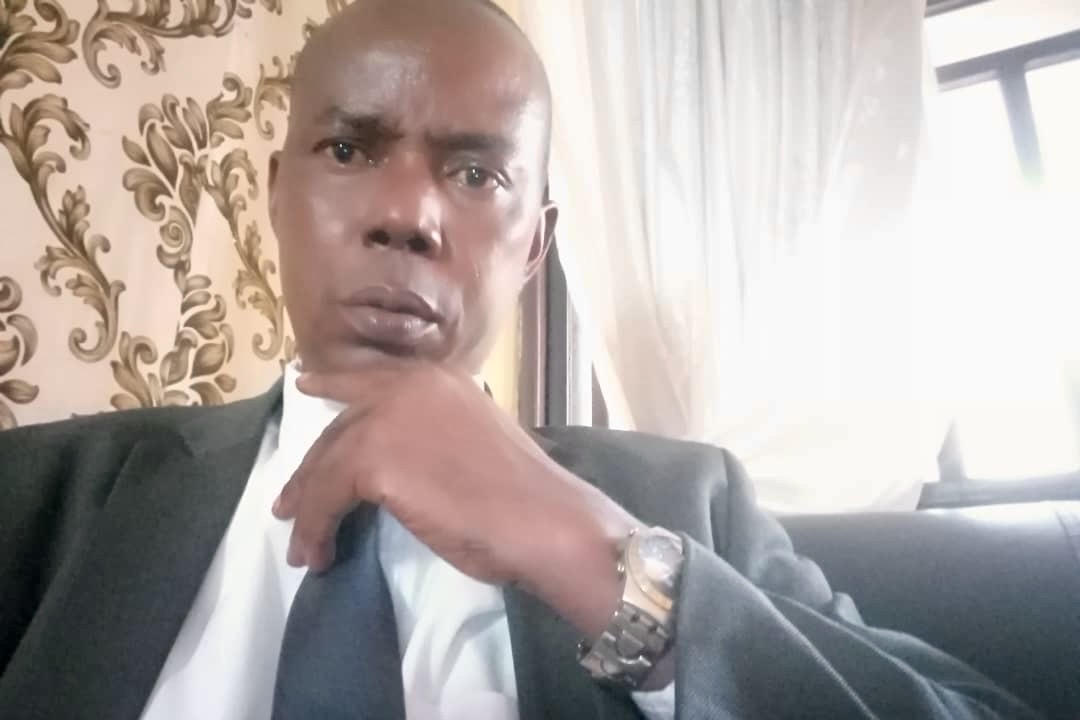
THE 66TH ANNIVERSARY OF NIGERIA’S INDEPENDENCE
MY MESSAGE TO MY GENERATION OF FELLOW COMPATRIOTS
By Boney Akaeze
In his poem To the Living, the 19th century American poet Richard Watson Gilder challenged the human tendency to become nostalgically trapped in the past–romanticizing yester-years while lamenting today—often sounding the alarm, throwing stones from a glass house or merely crying over spilled milk.
The central message was simple, succinct and enduring:
Every age was once a new age. Every generation faced its own uncertainties, imperfections and limitations. What made earlier ages great wasn’t the age itself, but the people who did great things within it.
Sixty-six years after independence from British colonial rule Nigeria remains trapped in a development trajectory characterized by a cycle of stagnation, decline and deterioration in the quality of life of the majority. And so, a question continues to reverberate and confront Nigerians and observers of our country:
How has a nation endowed with enormous natural resources, a youthful population and immense human potential—often described as the giant of Africa, remained burdened by widespread poverty, deep social inequality, insecurity and institutional instability?
How did a country so richly endowed arrive at a point where millions live in deprivation; where economic activity and public expenditure continue, yet schools and hospitals deteriorate, agriculture remains insufficiently modernized and productive, technological and industrial capacity lags behind, and economic hardship afflict the majority of the population?
Ask the average Nigerian what is responsible for our predicament, and the answer comes almost instinctively: bad governance. Go further and ask what causes the bad governance and the familiar responses follows: corruption, nepotism, greed and poor leadership.
There is certainly truth in these explanations, but they do not tell the whole story. At best, they identified the symptoms without sufficiently confronting the ailment—the deeper structural and historical condition.
The uncomfortable truth is this:
Nigeria’s development paradox is not merely a leadership problem. It is a generational challenge.
History teaches us that there has never been an age in which the generation of people living through it regarded their own time as a complete and absolute golden age. Every generation has encountered its own uncertainties, contradictions, limitations and unfinished business.
The past was not inherently easier simply because it has become history.
The generation that led the struggle against colonial rule confronted an uncertain future, yet its members persevered until independence was achieved. Another generation challenged the political failures and excesses of the First and Second Republics. Yet another generation resisted continued military dictatorship and struggled, often at considerable personal cost, for the restoration of civil rule.
History is, therefore, a continuing journey of generational challenges and responsibilities.
The England of today is never the England in the time of William Shakespeare. Japan today is not the Japan that existed before the Meiji Restoration. The societies we admire today were not created overnight, nor were they under perfect conditions.
The men and women we now celebrate as historical figures did not possess the luxury of hindsight. They did not know that their struggles, sacrifices and convictions would eventually become chapters in history. They acted within the uncertainties and imperfections of their own present.
That is perhaps one of history’s most enduring lessons.
The great men and women whom history remembers did not become great because they lived in perfect times. Rather, their time became better because people chose to do things in them
It is against this background that I call on my fellow compatriots to approach this 66th anniversary of Nigeria’s independence differently.
Let this anniversary not become another occasion for merely intensifying our mourning, lamentation, and frustration over Nigeria’s development paradox—our peculiar experience of seemingly moving onward in size and stature while failing to move forward sufficiently in substance. Let it instead arrest, our individual and collective conscience and impel us to reflect, rethink, reassess, and, most importantly, act differently.
For continuing to endure, grieve, agonize and despair over the precarious condition of our economy, civic space and the living conditions of our people, without translating our discontent into constructive civic action, merely wastes the present.
The people who change the course of history in earlier generations once stood where we stand today. Some stood in circumstances considerably worse than ours. They faced the difficulties of their time and chose to act. They refused to surrender to circumstances, to become permanently adapted to dysfunctional systems, or to look away while their societies deteriorated.
The greatness of an individual is tested not by what that individual does under ideal circumstances, but by what he or she chooses to do within difficult and imperfect ones.
Nigeria’s present challenges are, therefore, our generation responsibility, and it is up to us to choose either to preserve the status quo or to become agents of change.
We did not choose the circumstances into which we were born. But we can choose what we do with them. We can choose to complain or to contribute; choose resignation or responsibility
The 66th anniversary of our independence should therefore be more than a commemoration of the past. It should be a summon to the present. Our generation has inherited a difficult Nigeria. Our responsibility is not merely to complain about it, but to leave behind, a better one. Let us therefore embrace the challenge and rise to the responsibility,
And let us, through the courage of our convictions and the quality of our actions engrave our names, not merely in the pages of Nigeria’s history, but in the enduring stones of her future.
Happy 66th Independence Anniversary, Nigeria.
And may our generation rise to its historic responsibility.
Follow us on our broadcast channels today!
- WhatsApp: https://whatsapp.com/channel/0029VawZ8TbDDmFT1a1Syg46
- Telegram: https://t.me/atlanticpostchannel
- Facebook: https://www.messenger.com/channel/atlanticpostng


Join the debate; let's know your opinion.