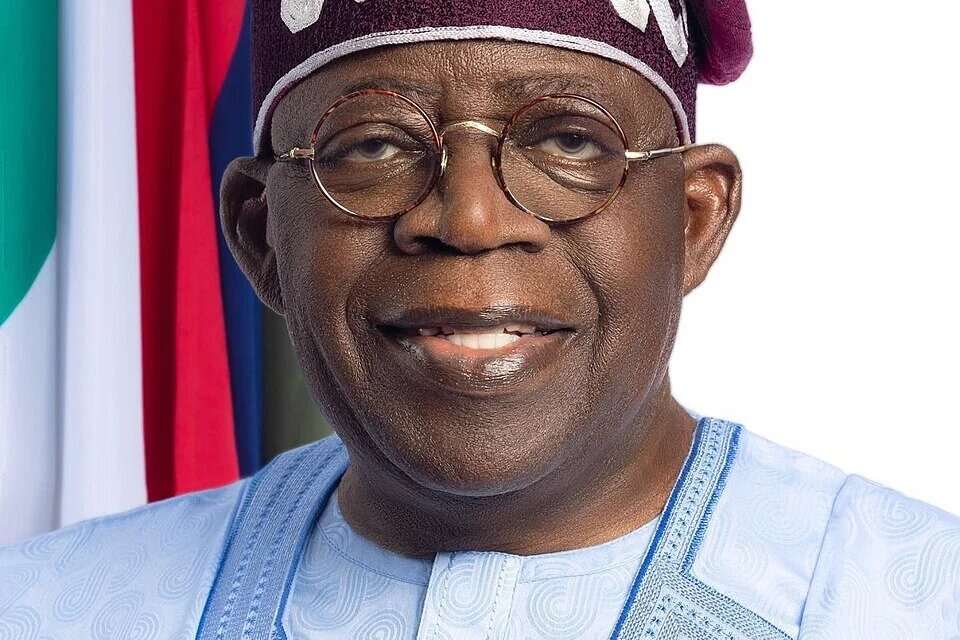
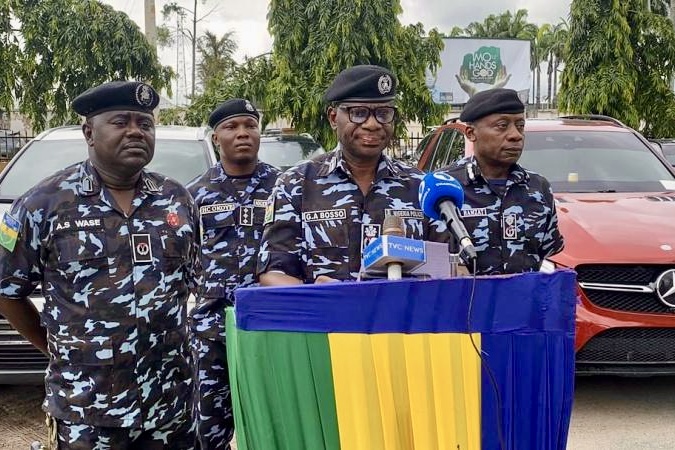
AGF Lateef Fagbemi denies any extradition bid against Simon Ekpa, warns media against speculative reporting.
Media outlets on 9 May 2025 sensationalised a supposed extradition bid for Simon Ekpa, a factional leader of the proscribed Indigenous People of Biafra (IPOB), prompting an unequivocal denial from the Attorney General of the Federation and Minister of Justice,
On Friday, multiple Nigerian news platforms erroneously reported that the Federal Government had “commenced an extradition process” against Simon Ekpa, insinuating imminent repatriation from Finland for trial in Nigeria.
Similar headlines appeared on Daily Post and PM News, amplifying the narrative without sufficient verification.
Lateef Fagbemi swiftly moved to “set the record straight,” stating that the reports were “untrue and a complete departure” from his remarks at the Stakeholders/Citizen Engagement Forum in Abuja.
His Special Assistant on Communication and Publicity, Kamarudeen Ogundele, emphasised that Fagbemi had only noted ongoing “engagements with Finnish authorities” to ensure Ekpa is held accountable for cross-border offences.
Simon Ekpa is currently standing trial in Finland, where he faces charges of “publicly encouraging crimes committed with terrorist intent” and “contributing to criminal actions”
Finnish prosecutors allege that Ekpa’s social-media directives instigated violence in south-east Nigeria, a claim under active investigation by the Finnish National Bureau of Investigation.
Fagbemi clarified that Nigeria “eagerly awaits the outcome” of the Finnish process before determining any next steps, underlining the cross-border nature of the alleged offences and the need for legal prudence.
The hasty reports reveal a troubling trend of speculative journalism, especially in politically charged stories. Sahara Reporters quoted Fagbemi remarking that Ekpa’s “extradition will come at the right time,” a comment lifted from context to suggest immediacy.
Vanguard observed that Nigeria’s legal strategy pivots on the conclusion of Finland’s actions, yet this nuance was largely absent in local coverage.
Such misrepresentations risk inflaming regional tensions and undermine public trust in both media and government institutions.
The fiasco underscores the imperative for rigorous fact-checking and cautious framing in reporting legal matters with international dimensions.
As Nigeria navigates complex cross-border prosecutions, media houses must prioritise accuracy over sensationalism to uphold democratic accountability and foster informed public discourse.