By Editor
Nigeria’s private sector is reeling from naira depreciation, skyrocketing inflation, and policy missteps, with businesses facing closures and layoffs. Can strategic reforms, currency stabilisation, and renewed investor confidence pull the nation back from the edge of economic collapse?
The Nigerian Private Sector’s Desperate Struggle Amid Naira’s Freefall and Spiralling Fuel Costs
In a somber reflection of Nigeria’s faltering economy, the latest Purchasing Managers’ Index (PMI) report by S&P Global has cast a grim spotlight on the private sector’s desperate battle against twin crises: a relentless depreciation of the naira and a steep escalation in fuel prices. The report, released on Monday, offers a window into the economic chaos that gripped the country in November 2024, highlighting the mounting pressures suffocating businesses across various sectors.
According to the report, Nigeria’s PMI for November stood at 49.6, a slight improvement over October’s 46.9, but still below the critical 50-point threshold that separates expansion from contraction. The marginal uptick, driven by a modest recovery in new orders and a less severe contraction in output, offers little solace to businesses grappling with escalating input costs and dwindling consumer demand.
A Glimpse of Hope Amidst Overwhelming Challenges
While the marginal recovery in new orders hinted at a flicker of hope, the report underscores that the respite was short-lived. The persistent inflationary pressures—rooted in the naira’s depreciation and an unyielding rise in fuel costs—continued to deter customers, leaving many businesses struggling to stay afloat.
“The less pronounced deterioration in business conditions partly reflected a renewed expansion in new orders, though elevated prices still deterred many customers,” the report noted, highlighting the paradox of increased demand colliding with dwindling purchasing power.
The naira’s sharp decline against major foreign currencies, fuelled by dwindling foreign exchange reserves and policy missteps, has left import-dependent businesses reeling. The situation is exacerbated by Nigeria’s chronic over-reliance on imported goods, from raw materials to finished products, making the private sector particularly vulnerable to currency fluctuations.
Employment Woes: A Fragile Labor Market Collapses
Perhaps the most alarming revelation from the report is the decline in employment levels, marking the end of a seven-month streak of modest job creation. This downturn was most pronounced in the services sector, where businesses, burdened by rising costs, were forced to cut jobs to survive.
“The inflationary environment has created significant strain for businesses, with some unable to maintain workforce levels,” the report stated, painting a bleak picture of a labor market on the brink.
The services sector, traditionally a significant employer in Nigeria, has been particularly hard-hit. From retail to hospitality, businesses are facing an existential crisis, as skyrocketing operational costs force them to lay off workers or shut down entirely.
Sectoral Performance: A Tale of Two Economies
The PMI report paints a mixed picture of sectoral performance, with agriculture and manufacturing emerging as rare bright spots. Both sectors recorded output growth, driven by resilient local demand and strategic adjustments to mitigate the impact of rising costs.
In contrast, the wholesale, retail, and services sectors have plunged into decline, unable to withstand the combined pressures of reduced consumer spending, skyrocketing transportation costs, and shrinking profit margins.
Businesses across these sectors reported sharp increases in purchase costs, driven by higher fuel prices and the continued weakening of the naira. This cost surge, in turn, forced many companies to raise their output prices, further dampening consumer demand and compounding the economic slowdown.
The Vicious Cycle of Rising Costs and Muted Demand
The inflationary spiral gripping Nigeria’s private sector has created a vicious cycle, where rising costs lead to higher output prices, which in turn suppress consumer demand. This cycle is particularly evident in the retail sector, where businesses have been forced to scale back purchasing activities and reduce inventory levels to manage cash flow.
Some firms have even been compelled to scale down operations entirely, unable to cope with the relentless surge in input costs and the subsequent decline in revenue.
“We are being forced to make tough decisions to stay afloat,” a business owner lamented, reflecting the precarious position of many small and medium-sized enterprises (SMEs) that form the backbone of Nigeria’s economy.
Rising Staff Costs: A New Headache for Businesses
Adding to the private sector’s woes is the surge in staff costs, as companies offer additional support to employees struggling with higher transportation and living expenses. This increase in labor costs, while necessary to retain skilled workers and maintain productivity, has further strained already overstretched budgets.
The dual challenge of rising input and labor costs has left many businesses in a perilous position, with some on the brink of insolvency. Yet, despite these challenges, a handful of firms remain optimistic about the future, banking on strategic investments and planned expansions to weather the storm.

Nigeria’s Economic Crossroads: Unmasking Policy Failures, Currency Instability, and the Fallout on Private Sector Growth
As Nigeria’s private sector teeters on the edge of collapse, it is crucial to delve into the underlying causes of this economic turmoil. The Purchasing Managers’ Index (PMI) report by S&P Global paints a grim picture of a nation struggling to manage the fallout from policy missteps, structural deficiencies, and an over-reliance on imported goods. This lethal combination has left businesses vulnerable to the cascading effects of currency instability and runaway inflation, forcing the country’s once-thriving private sector into a precarious state.
Currency Instability: The Heart of the Crisis
At the core of Nigeria’s economic quagmire lies the persistent depreciation of the naira, which has steadily eroded the purchasing power of businesses and consumers alike. The naira’s freefall is not an isolated phenomenon but a symptom of deeper structural issues that successive governments have failed to address.
In 2024, the naira continued its downward spiral, breaching historic lows against the US dollar and other major currencies. The Central Bank of Nigeria (CBN), under intense scrutiny, has struggled to stabilise the currency, resorting to periodic interventions in the foreign exchange market with limited success. Critics argue that these interventions have been reactionary rather than strategic, failing to address the root causes of the naira’s volatility.
One major factor behind the naira’s weakness is the chronic shortage of foreign exchange (forex), driven by declining oil revenues and dwindling foreign reserves. Nigeria, an oil-dependent economy, has seen its forex earnings plummet due to fluctuating global oil prices, compounded by the country’s inability to diversify its export base.
“The forex scarcity has become a nightmare for businesses, particularly those reliant on imported raw materials,” lamented a manufacturing executive. “We are forced to pay exorbitant rates on the parallel market, which significantly increases our production costs and erodes our competitiveness.”
Policy Missteps: A Legacy of Economic Mismanagement
The current crisis is also a direct consequence of years of economic mismanagement and policy inconsistencies that have undermined investor confidence and stifled private sector growth. Critics have pointed to the government’s failure to implement comprehensive economic reforms, focusing instead on short-term fixes that have done little to address the country’s structural weaknesses.
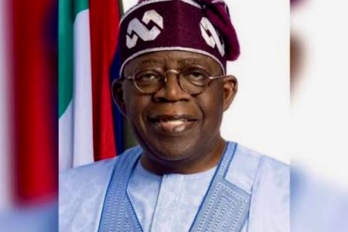
One of the most contentious issues has been the government’s handling of fuel subsidies. In a bid to cut costs and boost revenue, the administration of President Bola Ahmed Tinubu implemented a controversial fuel subsidy removal earlier in the year. While the move was hailed by some as a necessary step towards fiscal discipline, it has had devastating consequences for the private sector and the broader economy.
The removal of subsidies led to a sharp increase in fuel prices, which in turn triggered a domino effect across various sectors. Transportation costs skyrocketed, driving up the prices of goods and services and fueling inflation. Businesses, particularly small and medium-sized enterprises (SMEs), have borne the brunt of these cost increases, with many forced to downsize or shut down operations entirely.
“Fuel price hikes have been a death knell for many SMEs,” observed an economist. “These businesses, which were already struggling to navigate a challenging operating environment, are now being crushed under the weight of rising costs and dwindling demand.”
The Inflationary Spiral: A Threat to Consumer Demand
The inflationary pressures gripping Nigeria have created a vicious cycle that is choking consumer demand and further exacerbating the economic slowdown. According to the National Bureau of Statistics, inflation in Nigeria surged to over 25% in November 2024, driven by soaring fuel and food prices.
For the average Nigerian, the rising cost of living has eroded disposable income, forcing many to cut back on non-essential spending. This decline in consumer demand has had a ripple effect across the private sector, particularly in the retail and services industries, where businesses are struggling to attract customers and generate revenue.
In response to rising input costs, many businesses have been forced to increase their prices, further dampening demand and fuelling the inflationary spiral. The PMI report highlights this trend, noting that businesses are raising output prices at an unprecedented rate to offset the surge in production costs.
However, this strategy has proven to be a double-edged sword. While it helps businesses manage their immediate cost pressures, it also risks alienating price-sensitive consumers and driving them towards cheaper alternatives or informal markets.
The Fragile State of Business Confidence
Amid the economic turmoil, business confidence in Nigeria has reached record lows. The PMI report underscores the fragile state of confidence among private sector players, with many expressing deep concerns about the uncertain economic outlook and the government’s ability to implement meaningful reforms.
“We are operating in an environment of extreme uncertainty,” remarked a CEO in the financial services sector. “The lack of clarity on economic policy, coupled with the volatility of the naira and rising inflation, makes it difficult to plan for the future or make long-term investments.”
This lack of confidence has had a chilling effect on investment, with many businesses adopting a wait-and-see approach rather than committing resources to expansion or new projects. The decline in investment has, in turn, stifled job creation and economic growth, creating a vicious cycle that is difficult to break.
Glimmers of Hope: Resilience Amid Adversity
Despite the overwhelming challenges, some pockets of resilience have emerged within Nigeria’s private sector. The agriculture and manufacturing sectors, in particular, have shown signs of growth, driven by innovative strategies to mitigate the impact of rising costs and currency volatility.
In agriculture, for example, some farmers have adopted mechanization and advanced farming techniques to boost productivity and reduce their reliance on imported inputs. Similarly, in manufacturing, companies are exploring local sourcing and vertical integration to minimise their exposure to forex fluctuations and supply chain disruptions.
“We are hopeful that our strategic investments in local production and supply chain optimisation will position us for growth in the coming months,” said a manufacturing executive.
Pathways to Recovery: Stabilising Nigeria’s Economy and Rebuilding Private Sector Confidence
As Nigeria grapples with an economic crisis marked by currency instability, inflationary pressures, and a struggling private sector, the question on everyone’s mind is: how can the nation navigate its way out of this quagmire? The road to recovery will not be easy, but it is not impossible. It requires a multifaceted approach, driven by decisive policy actions, structural reforms, and strategic investments that can restore confidence, stabilise the economy, and foster sustainable growth.
Stabilising the Naira: A Priority for Economic Recovery
At the heart of Nigeria’s economic woes is the instability of the naira. To stabilise the currency, the Central Bank of Nigeria (CBN) must adopt a more coherent and transparent monetary policy framework that addresses both the short-term volatility and long-term structural weaknesses of the economy.
One immediate step would be to unify the multiple exchange rates that currently exist in Nigeria’s foreign exchange market. The parallel market, often referred to as the black market, continues to exert significant pressure on the official exchange rate, creating arbitrage opportunities and fuelling speculation. A unified exchange rate would not only enhance transparency but also boost investor confidence by providing a clear and predictable framework for forex transactions.
Additionally, the CBN must prioritise rebuilding foreign exchange reserves through a combination of export diversification and strategic partnerships. Nigeria’s over-reliance on oil exports has made its economy highly susceptible to external shocks. By investing in non-oil sectors such as agriculture, manufacturing, and technology, the country can reduce its dependence on oil revenues and create a more stable and resilient economy.
“The diversification of export earnings is critical for long-term economic stability,” noted a financial analyst. “Nigeria must leverage its abundant natural and human resources to develop competitive industries that can drive foreign exchange inflows and support the naira.”
Tackling Inflation: A Multi-Pronged Approach
The inflationary spiral gripping Nigeria requires a multi-pronged approach that addresses both supply-side and demand-side factors. On the supply side, the government must take immediate steps to reduce the cost of production by addressing the key drivers of inflation, such as fuel prices and import tariffs.
One potential solution is to revisit the fuel subsidy policy. While the removal of subsidies was intended to reduce fiscal deficits, it has had unintended consequences on inflation and consumer purchasing power. A more nuanced approach, such as targeted subsidies for critical sectors like transportation and agriculture, could help mitigate the impact of rising fuel costs on the economy.
On the demand side, the government must implement policies that support household income and consumer spending. This could include tax relief measures, social safety nets, and targeted interventions to support vulnerable populations. By boosting consumer demand, the government can create a more favourable environment for businesses to grow and thrive.
Structural Reforms: Addressing Long-Standing Weaknesses
Nigeria’s economic challenges are not merely cyclical but also structural. Addressing these long-standing weaknesses requires bold and comprehensive reforms that can unlock the country’s full economic potential.
One critical area of reform is infrastructure development. The lack of reliable infrastructure, particularly in the areas of transportation, energy, and telecommunications, continues to be a significant bottleneck for private sector growth. By investing in infrastructure, the government can reduce the cost of doing business, enhance productivity, and attract both domestic and foreign investment.
Another area of reform is governance and regulatory efficiency. Nigeria’s complex and often opaque regulatory environment has been a major deterrent to investment. Simplifying regulatory processes, enhancing transparency, and reducing bureaucratic bottlenecks can create a more conducive environment for business and investment.
“The ease of doing business in Nigeria remains a significant challenge,” observed an international trade expert. “Streamlining regulatory processes and improving governance will be key to attracting the investment needed to drive economic growth.”
Leveraging International Partnerships for Sustainable Growth
In an increasingly interconnected global economy, Nigeria cannot afford to go it alone. International partnerships and collaborations can play a crucial role in supporting the country’s economic recovery and fostering sustainable growth.
One potential avenue is to leverage bilateral and multilateral partnerships to access financing and technical assistance for critical sectors such as infrastructure, energy, and agriculture. Organisations such as the World Bank, the International Monetary Fund (IMF), and regional development banks can provide much-needed financial support and expertise to help Nigeria implement its economic recovery plan.
Additionally, Nigeria can explore opportunities for trade and investment partnerships with emerging economies in Africa, Asia, and the Middle East. By tapping into new markets and forging strategic alliances, the country can diversify its export base, attract foreign direct investment, and create new growth opportunities for its private sector.
Restoring Business Confidence: A Key to Economic Revival
Ultimately, the success of Nigeria’s economic recovery will depend on restoring business confidence. This requires a clear and consistent economic policy framework, effective communication, and a demonstrated commitment to reform.
The government must engage with key stakeholders, including business leaders, investors, and civil society, to build consensus around the economic recovery plan and ensure its successful implementation. By fostering a sense of trust and collaboration, the government can create a more supportive environment for private sector growth and investment.
“We need a government that listens and acts,” emphasised a leading entrepreneur. “Business confidence is built on trust, and trust is built on action, not promises.”
A New Dawn for Nigeria’s Private Sector?
While the challenges facing Nigeria’s private sector are daunting, they are not insurmountable. With the right mix of policy actions, structural reforms, and strategic investments, the country can chart a path to economic recovery and sustainable growth.
The road ahead will be long and arduous, but there is hope. By addressing the root causes of its economic challenges and leveraging its immense potential, Nigeria can emerge stronger and more resilient, ready to compete on the global stage and deliver prosperity for its people.
Additional report by Taiwo Adebowale, Atlantic Post Senior Business Correspondent.