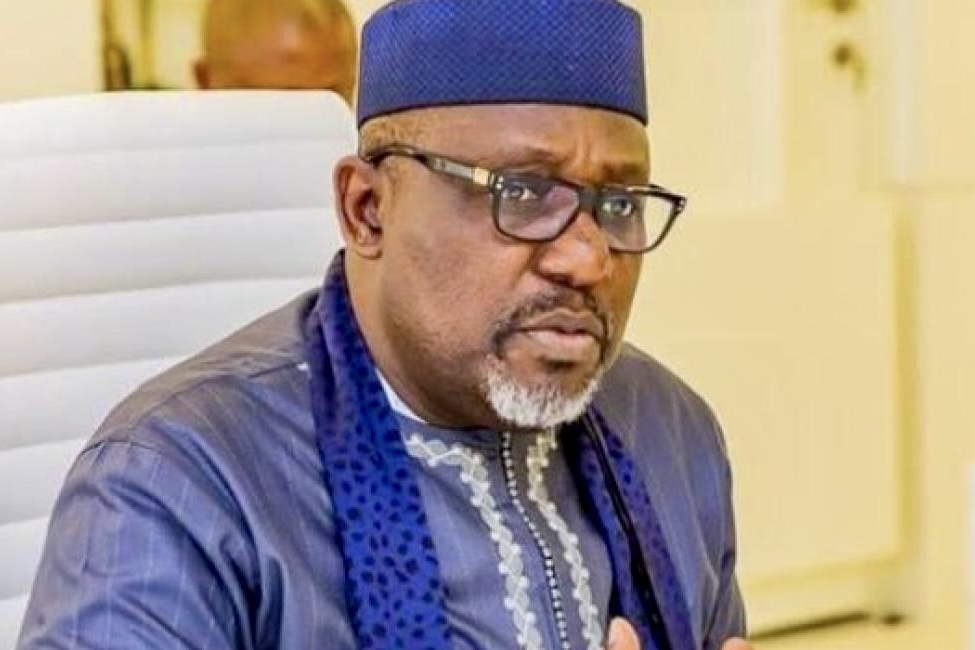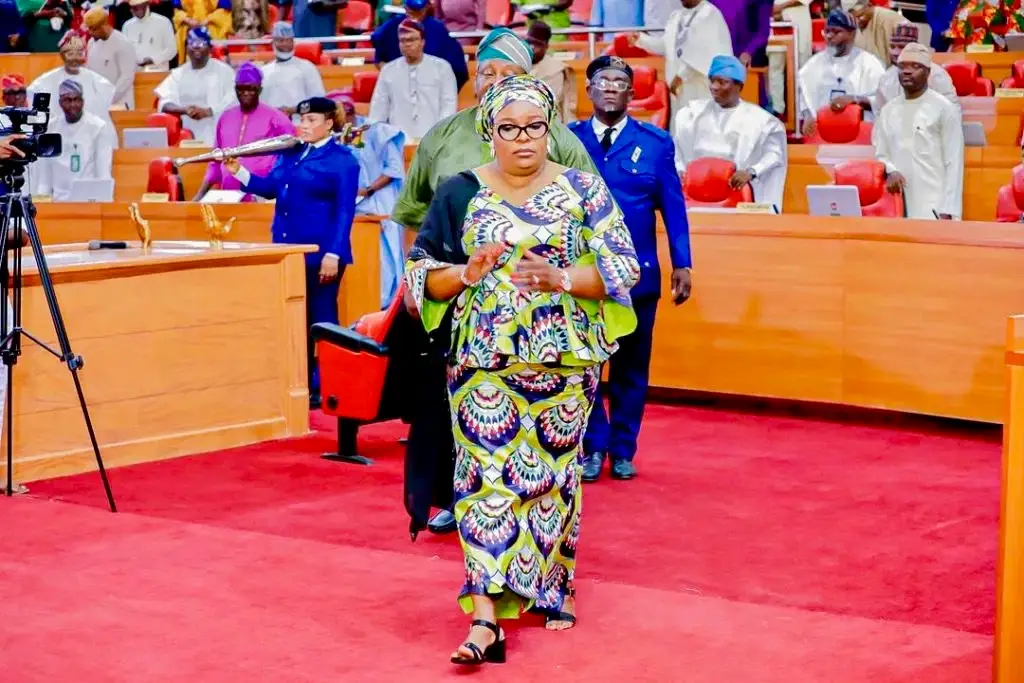
IKEJA, Lagos State — In a dramatic twist to the ongoing political saga in Lagos, Speaker of the Lagos State House of Assembly, Mojisola Meranda, has flatly denied rumours that she has tendered her resignation.
The denials came swiftly from Meranda’s Chief Press Secretary, Segun Ajiboye, during an online chat with PUNCH Online, in which he declared, “I’m in the office. The speaker is in the office. I don’t know where that is coming from.”
A Rumour That Won’t Die
For the past two days, a circular—allegedly dated February 17, 2025—had been circulating widely on social media, purporting that Meranda had resigned from her position. However, diligent fact-checking has since revealed that the much-discussed circular bore no authentic signature, leaving many to question its origins and credibility.
In an era where misinformation can spread like wildfire, this incident has further underscored the fragile state of trust in political communications.
The Political Context: A House in Disarray
This latest rumour comes at a time when the Lagos Assembly has been reeling from a series of leadership crises. The House remains deeply divided following the controversial removal of former Speaker Mudashiru Obasa by a majority of lawmakers—a decision that has sown seeds of discontent and suspicion among political elites and the public alike.
Against this volatile backdrop, rumours of resignation appear to have been fuelled by factions seeking to exploit the prevailing instability for their own political ends.
Motives Behind the Misinformation
Political analysts suggest that the unsanctioned rumour might be a calculated manoeuvre aimed at deepening the fractures within the Assembly. Some believe that elements opposed to the current leadership could have propagated the false narrative to undermine confidence in Meranda’s leadership, thereby creating an opening for further political reorganisation.
With Lagos being a crucial power centre in Nigerian politics, any hint of discord is bound to reverberate far beyond the Assembly chambers.
Critics argue that the propagation of such rumours is symptomatic of a broader trend of political opportunism. In an environment where power struggles are increasingly fought not only through parliamentary debate but also via the viral spread of misinformation, the need for rigorous media verification has never been more acute.
The Role of Social Media and the Press
The rapid dissemination of the unsigned circular on platforms across social media is a stark reminder of the double-edged sword that is digital communication.
While such platforms can empower citizens and facilitate transparency, they can equally become conduits for misleading narratives that destabilise public confidence.
The case of Meranda’s alleged resignation underscores the responsibility of media houses and political commentators alike to sift fact from fiction before amplifying claims that could disrupt the delicate balance of power.
Implications for Lagos Politics
Lagos, a state long celebrated for its dynamic economy and relative political stability, now finds itself at the centre of a storm that threatens to erode public trust in its legislative institutions.
With rumours of resignations and leadership coups making headlines, the public is left to wonder whether these episodes are isolated incidents or part of a broader, more insidious trend of political manipulation.
While Meranda’s emphatic denial has momentarily quelled the immediate crisis, the underlying issues that fuel such rumours remain unresolved. The political climate within the Assembly remains fraught with tension, with factions still jockeying for influence in a setting that has become all too familiar with internal strife.
A Call for Transparency and Accountability
In light of these developments, calls for greater transparency and accountability within the Lagos Assembly are growing louder. Observers stress that in times of crisis, the integrity of political institutions is paramount.
It is imperative that lawmakers, security agencies, and political operators commit to clear and factual communication, especially when the stakes involve the very foundation of Nigeria’s democratic process.
The incident serves as a potent reminder that the weaponisation of misinformation can have far-reaching consequences, not only destabilising government operations but also undermining the public’s faith in their leaders.
As Lagos grapples with these challenges, there is an urgent need for a collective re-commitment to the principles of responsible governance and ethical journalism.
Conclusion
The vehement denial by Speaker Meranda of resignation rumours marks a critical juncture in the turbulent narrative of Lagos politics. Although the immediate crisis has been averted, the episode has laid bare the pervasive influence of misinformation and the vulnerability of political institutions to opportunistic manoeuvres.
With the Assembly still reeling from past leadership controversies and a new wave of rumours emerging, the onus now rests on both political leaders and the media to foster a climate of trust, transparency, and accountability.
In an era where every piece of news can ignite a firestorm of debate, the need for discerning analysis and verified information is more crucial than ever.
As Lagos continues its journey through these tumultuous times, the resilience of its democratic institutions—and the commitment of its leaders—will ultimately determine whether the state can navigate through the storm or succumb to the relentless tide of political intrigue.
- Additional report by: Osaigbovo Okungbowa, Atlantic Post Senior Political Correspondent.