By Editor
ABUJA, Nigeria — The recent verdict from the Confederation of African Football (CAF), which awarded Nigeria’s Super Eagles three points and a victory over Libya following the mistreatment of the Nigerian team, has set off a diplomatic firestorm. This ruling, meant to uphold sportsmanship and fair play, seems to have triggered a deeply rooted animosity between Libya and its Nigerian immigrant community, spiralling into what appears to be a campaign of retaliatory mass arrests. Nigerian nationals in Libya are now in a state of alarm, reporting indiscriminate arrests and harassment by Libyan authorities. The situation has unveiled serious concerns about the mistreatment of Nigerian citizens abroad, revealing wider diplomatic and human rights issues at play.

This report delves into the background of this controversy, examining the incidents that led to CAF’s disciplinary action, the response from Libyan authorities, and the potential implications for Nigeria-Libya relations.
CAF Verdict: A Catalyst for Diplomatic Tensions
The CAF ruling on October 26 has exposed longstanding hostilities between the Nigerian and Libyan football communities. The Nigerian team’s ordeal at Al-Abraq Airport, where they were held for over 20 hours, sparked national outrage and led the Nigerian Football Federation (NFF) to file an official complaint against the Libyan Football Federation (LFF). CAF’s Disciplinary Committee found the Libyan authorities in breach of its regulations, mandating a $50,000 fine for the LFF and awarding Nigeria the three points lost in the disrupted qualifier.
For Nigerian football enthusiasts, CAF’s ruling was a triumphant vindication. However, it seems that for many Libyans, the verdict became a source of national insult. Libyan officials, including LFF President Nasser Al-Suwai’I, condemned the ruling as a biased act favouring Nigeria due to its alleged influence within CAF. The escalating outrage reached its peak when Al-Suwai’I threatened to appeal the decision to the Court of Arbitration for Sport, arguing that Libya was unfairly sanctioned for what he termed a “logistical mishap.”
While the CAF verdict focused on upholding sportsmanship and ensuring fair play, the aftermath has exposed a darker reality. Reports from within Libya suggest that influential media outlets and public figures have called for retaliatory measures against Nigerian nationals, stirring xenophobic sentiments and pushing the government to act.
Libyan Media and Public Backlash Against Nigerians
The backlash against Nigerians in Libya intensified after a popular Libyan news platform, Libya News Today 1, posted inflammatory statements on social media. “All Libyan TV channels are urging the government to arrest Nigerian workers… They have to pay $500 plus taxes,” the post declared. With over 188,000 followers, the blog’s posts quickly gained traction, igniting hostility against Nigerians across social media. Many Libyan citizens echoed the sentiment, asserting that Nigerians should bear the financial burden imposed by CAF, rather than the Libyan state.
In one viral video, a Libyan TV presenter openly declared, “Anyone who is living in Libya and working without paying tax is eating haram… The government should make every effort to arrest all Nigerians who are working in Libya.” Another Libyan platform, Libya INF.TV, further stoked tensions, urging Libyan authorities to enforce fines and deport Nigerians lacking documentation.
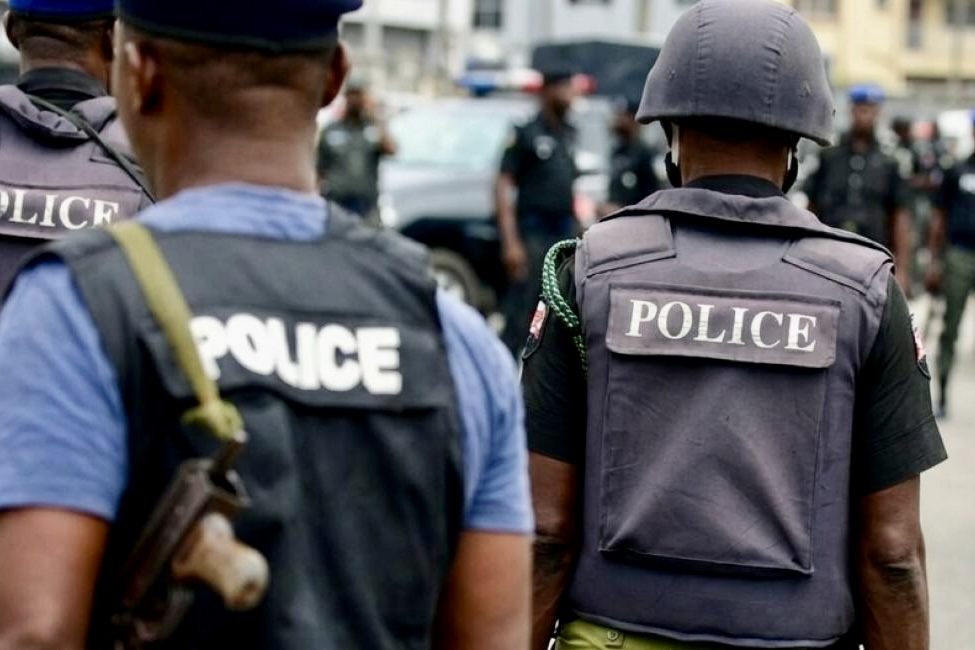
This rhetoric has had real consequences. The anti-Nigerian sentiment, spurred by media and public figures, has translated into physical action on the streets. Nigerians in Libya now face a targeted campaign of mass arrests, escalating the situation beyond what CAF or NFF could have anticipated.
Mass Arrests of Nigerians: Reports from the Ground
Following CAF’s verdict, Nigerian nationals in Libya reported an unprecedented wave of arrests targeting their community. Adenaike Emmanuel, a Nigerian residing in Tripoli, expressed the growing panic among Nigerians as Libyan security forces began detaining individuals indiscriminately. “The arrests started on Sunday after the CAF statement,” Emmanuel said. “In some places, people were arrested on Sunday morning and afternoon. They believe by doing this, they are getting their revenge.”
Peter Omoregbie, President of the Nigerian community in Libya, corroborated these accounts in a video shared widely among Libya-based Nigerian blogs. Omoregbie confirmed that arrests had indeed begun in certain areas of Tripoli, with individuals detained irrespective of whether they had valid identification or residence permits. In one chilling video, he described how Libyan authorities disregarded legal documentation, detaining Nigerians indiscriminately in what he called “acts of pure vengeance.”
In yet another report, a Nigerian migrant, Omo Oba Legba, shared his experience on Facebook, warning his fellow countrymen to stay indoors as arrests intensified. According to him, Libyan law enforcement was targeting Nigerians solely based on nationality, with no regard for residency status or legal papers. His account paints a disturbing picture of a society where ordinary Nigerians are paying the price for diplomatic disputes far beyond their control.
Diplomatic Silence and the Need for Intervention
As Nigerians in Libya suffer escalating abuse, there is a glaring lack of response from both Libyan and Nigerian authorities. Repeated attempts to obtain statements from the Libyan Embassy in Abuja have been met with silence, and the Nigerian Ministry of Foreign Affairs has offered only perfunctory comments. The Nigerians in Diaspora Commission has similarly been unavailable, failing to address growing calls for intervention.
Ogbole Amedu-Ode, a former Nigerian ambassador, criticised the Nigerian government’s failure to act decisively, calling for an investigation into the retaliatory arrests. He suggested that Nigeria should escalate the matter to the African Union, leveraging its regional influence to pressure Libya into halting the unjust treatment of its citizens. “The Nigerian government should not turn a blind eye to this,” he insisted, emphasising that evidence gathered by Nigerian nationals in Libya could form the basis of a formal complaint against Libya’s actions.
Amedu-Ode’s remarks highlight a critical issue: Nigerian authorities have the power to raise this matter on an international stage but appear hesitant to do so. This hesitancy leaves Nigerian migrants in a precarious position, forced to fend for themselves in a hostile environment.
Human Rights Organisation’s Respond
Human rights organisations in Libya have not remained silent on this matter. Ahmed Hamza, Chairman of Libya’s National Institution for Human Rights, warned against retaliatory actions targeting Nigerian workers. He expressed concern that media outlets were stoking anti-immigrant sentiments and inciting violence against foreigners, including Nigerians.
Hamza’s warnings, however, appear to have fallen on deaf ears among Libyan authorities. Reports of arrests continue unabated, and Libyan media platforms persist in their inflammatory coverage, portraying Nigerian migrants as scapegoats for the CAF fine. Hamza’s statement serves as a rare voice of reason amid a torrent of hostility, calling for a halt to retaliatory actions that may lead to long-term diplomatic repercussions.
An Urgent Call for Diplomatic and Humanitarian Action
The plight of Nigerians in Libya has escalated beyond a mere diplomatic issue, morphing into a full-fledged humanitarian crisis. CAF’s ruling, intended to penalise Libya’s breach of sportsmanship, has unleashed a wave of xenophobia that threatens the safety of thousands of Nigerian migrants. While Libya’s media fans the flames of hostility, Nigerian authorities must step up, abandoning their passive stance in favor of proactive measures to protect their citizens abroad.
The Nigerian government must now consider several avenues: formally appealing to the African Union, filing a complaint with international human rights bodies, and engaging in bilateral talks with Libyan officials. Failure to act decisively risks not only the well-being of Nigerian nationals in Libya but also damages Nigeria’s international standing as a nation that protects its citizens.
Ultimately, the Nigerian government and CAF must understand the unintended consequences of their actions. Beyond football and fines, there are real lives at stake. It is time for both nations to de-escalate the crisis and prevent further harm, addressing the root causes of this animosity and finding a diplomatic path forward. The world is watching, and it is now up to both Libya and Nigeria to show leadership and responsibility in handling this crisis.
Discontent Brewing: The Role of CAF and NFF in this Diplomatic Crisis
The Confederation of African Football (CAF) may not have anticipated the diplomatic fallout that its ruling would ignite between Libya and Nigeria. Although CAF acted within its regulatory framework, the decision to penalise Libya over the treatment of the Super Eagles has been met with indignation by the Libyan Football Federation (LFF). President of the LFF, Nasser Al-Suwai’I, has openly criticised the ruling as “unjust and malicious,” going so far as to claim that Nigeria’s influence within CAF contributed to the outcome. The swift escalation from a football dispute to a national campaign targeting Nigerians in Libya highlights the fragile nature of international sports diplomacy.
The Weight of Influence in CAF
Al-Suwai’I’s insinuation of Nigerian influence within CAF has reignited discussions surrounding the federation’s internal politics. With Nigerian representatives holding significant roles within CAF’s administrative framework, accusations of favoritism are far from new. This is especially resonant in Libya, where the notion of external influence undermining national pride has fostered resentment. While CAF’s mandate is to enforce regulations and ensure the safety and well-being of players, it also has the responsibility of fostering goodwill among member nations. By imposing a penalty without comprehensive dialogue between both national federations, CAF has inadvertently stoked the flames of animosity.
NFF’s Role and the Fallout for Nigerian Citizens Abroad
For the Nigeria Football Federation (NFF), lodging an official complaint with CAF was a legitimate response to the Super Eagles’ ordeal. However, the NFF’s handling of the incident has unintentionally intensified the plight of Nigerians living and working in Libya. The punitive campaign that has since unfolded across Libya reflects how a matter initially rooted in sports diplomacy has morphed into a full-blown diplomatic crisis. With NFF remaining silent on the mounting issues faced by Nigerians in Libya, questions arise as to whether the federation considered the potential repercussions its complaint could have on the broader Nigerian community abroad.
Social Media as a Tool of Hostility: A Digital Campaign Against Nigerians
Social media has played a prominent role in inciting anti-Nigerian sentiment across Libya. Posts from influential pages like Libya News Today 1, which has substantial followership, have amplified xenophobic narratives, urging authorities to act against Nigerian residents. The inflammatory rhetoric, coupled with the call for a blanket fine on Nigerians, underscores the significant impact digital media can have in shaping public opinion and policy.
The Spread of Hate Speech via Media Outlets
In the age of digital media, unchecked narratives can quickly snowball into real-world actions. With comments from Libyan presenters labelling Nigerian workers as a “burden” on society and urging mass arrests, the tension has rapidly escalated. Social media’s reach has proven to be instrumental in legitimising hostilities, offering a platform for prominent personalities to stir nationalist fervour and resentment. As seen in this case, a series of posts and televised statements have directly influenced Libyan authorities to target Nigerians, underscoring the danger of using media platforms to propagate hate.
International Repercussions of Digital Xenophobia
With the world closely monitoring the Libyan government’s response to these social media-driven hostilities, Libya risks incurring diplomatic isolation if these anti-Nigerian campaigns persist. International human rights organisations and watchdogs are likely to increase pressure on Libyan authorities to curb xenophobic incitement. For Nigeria, these digital hostilities signal an urgent need to fortify cyber diplomacy, emphasising the dangers of online rhetoric morphing into real-world consequences.
Testimonies from Nigerian Community Leaders: A Harrowing Reality
The voices of Nigerians on the ground reveal the harsh reality of the situation in Libya. Community leaders, like Peter Omoregbie, who has taken on the difficult role of advocating for his community, paint a disturbing picture of arbitrary arrests and a lack of legal protections. His account, corroborated by other Nigerian residents, confirms that Libyan authorities are not discriminating between legal residents and undocumented immigrants, a flagrant violation of international legal standards.
The Fear and Frustration Among Nigerians in Libya
Omoregbie’s plea for help underscores the helplessness and vulnerability experienced by Nigerians in Libya. Despite having proper documentation, Nigerians are still targeted, reinforcing the belief that this campaign is less about law enforcement and more about retaliation. In a video shared widely within the Nigerian community, Omoregbie voiced concerns over the indifference of Libyan authorities towards legitimate residency papers, stating, “They don’t even care whether you have passports or residence permits.” This indiscriminate approach has raised serious ethical and legal questions, especially given Libya’s recent commitments to uphold the rights of migrant workers.
Calls for International Intervention
Omoregbie’s plea extends beyond the Nigerian government, as he appeals to international organizations to step in. The lack of immediate intervention from Nigeria’s diplomatic mission has heightened the sense of abandonment felt by the Nigerian community. With diplomatic channels showing limited responsiveness, the Nigerian community in Libya finds itself in desperate need of international support. The situation has prompted calls for immediate intervention from the United Nations and the African Union to ensure that Nigerian citizens receive fair treatment and legal protection.
The Silence of Nigerian Diplomatic Channels: A Deafening Inaction
The Nigerian government’s delayed response has further complicated the crisis, with reports indicating that neither the Nigerian Embassy in Tripoli nor the Libyan Embassy in Abuja has issued formal statements. The lack of proactive engagement has exacerbated the fears of Nigerians in Libya, who feel forsaken in a foreign land where their safety is increasingly compromised.
Nigerian Government’s Slow Response
The seeming inaction from Nigerian diplomatic channels has drawn criticism from citizens and diaspora organisations alike. The spokesperson for Nigeria’s Ministry of Foreign Affairs, Eche Abu-Obe, responded vaguely to inquiries, saying, “I have sent a message to the Director Africa,” a response that offers little assurance to those directly impacted. This sluggish response reveals a troubling gap in Nigeria’s consular services, which, critics argue, lack urgency when Nigerian citizens are threatened abroad.
Long-Term Implications of Diplomatic Neglect
Nigeria’s failure to address this issue promptly could have lasting repercussions on its diplomatic standing within Africa and beyond. By allowing its citizens to face such dire conditions without robust intervention, Nigeria risks signalling to the international community that it cannot protect its nationals. This situation has called into question the effectiveness of Nigeria’s foreign policy, especially in regions where Nigerian citizens face frequent xenophobic threats. Furthermore, the perception of diplomatic negligence could erode trust within the Nigerian diaspora, diminishing the government’s ability to advocate for its citizens globally.
Human Rights Organisations Call for Action: An International Outcry
The escalating anti-Nigerian sentiment in Libya has caught the attention of several human rights organisations. The Chairman of Libya’s National Institution for Human Rights, Ahmed Hamza, has been a rare voice of reason within Libya, cautioning authorities against targeting Nigerians. His warning about potential repercussions for Libya in international justice systems reflects growing concerns about the country’s treatment of foreign workers.
Global Human Rights Implications
Hamza’s statement highlights the risk of Libya facing international scrutiny if the current arrests and mistreatment of Nigerians continue. Libya is already under observation for its treatment of migrants, and this latest wave of arrests could further tarnish its global standing. Human rights organisations worldwide are likely to amplify their focus on Libya, potentially resulting in sanctions or other measures aimed at holding the country accountable.
The Role of the African Union and United Nations
Calls are mounting for the African Union (AU) and the United Nations (UN) to address the situation. As a member of both entities, Libya is expected to uphold the rights of foreign nationals and refrain from enacting policies that target specific nationalities. The Nigerian government, with support from the AU, could leverage its diplomatic channels to initiate a formal investigation into the reported human rights abuses. International pressure, coupled with public outcry, may be the only way to halt the escalating violence against Nigerians in Libya.
A Diplomatic Crossroad and the Need for Immediate Action
The ordeal faced by Nigerians in Libya following CAF’s ruling is a sobering reminder of how international sports disputes can have profound real-world consequences. The actions of the Libyan authorities, fuelled by social media propaganda and xenophobic sentiment, reveal the fragility of migrant protections in regions where diplomatic relations are strained. The Nigerian government, CAF, and international bodies must now grapple with the repercussions of this crisis and take swift action to prevent further harm to innocent individuals.
In the coming days, Nigeria’s response to this situation will likely define its diplomatic relationship with Libya and set a precedent for how the country will protect its citizens abroad. With Nigerians in Libya fearing for their safety, the Nigerian government is at a critical juncture. Inaction is no longer an option; the diplomatic and human rights ramifications of this crisis demand a concerted effort to ensure that justice prevails and that innocent Nigerians are safeguarded from further abuse.