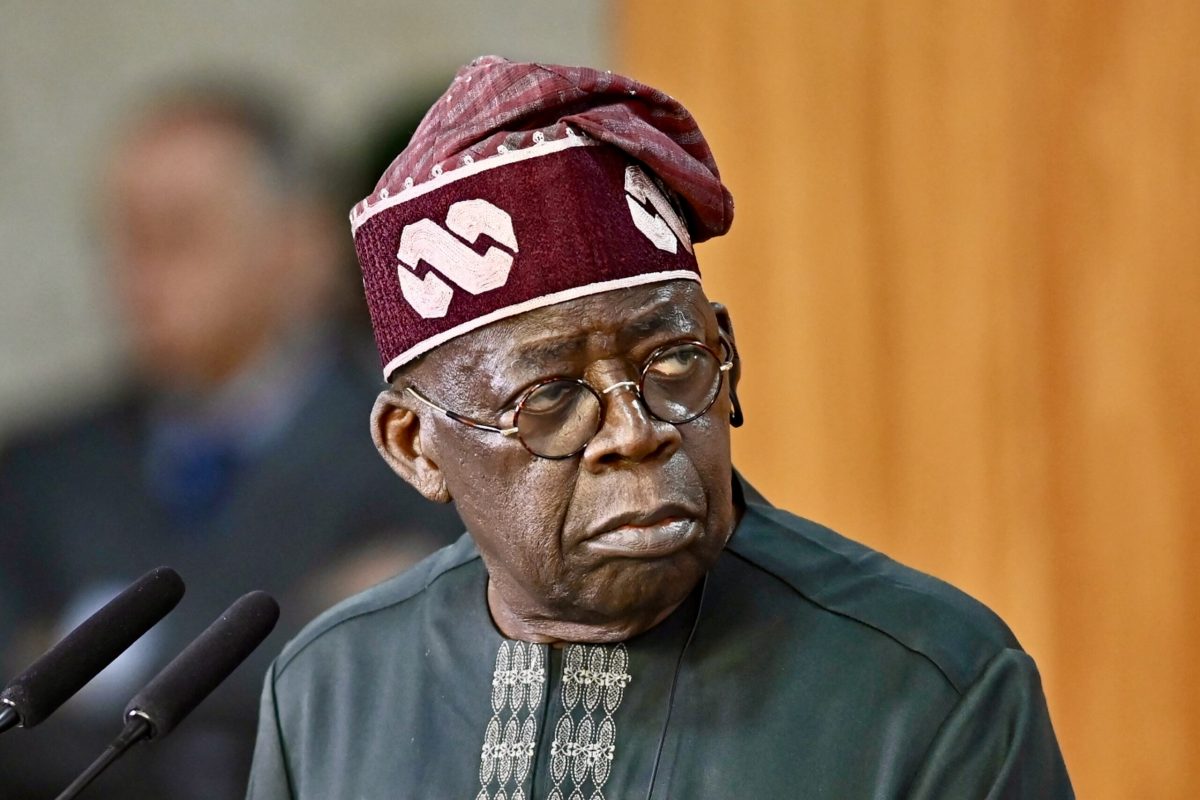
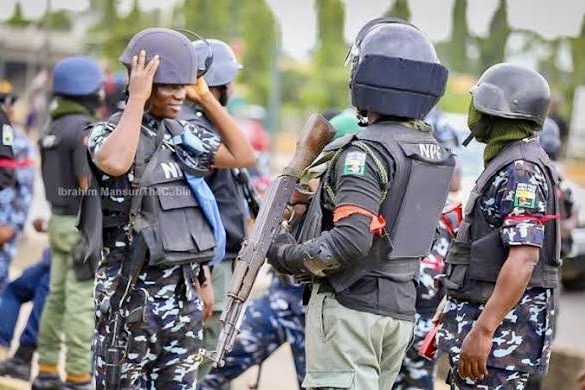
The battle between the Senate and former Nigerian National Petroleum Company Limited chief, Mele Kyari, has escalated into one of the most combustible accountability fights in recent months, after the Public Accounts Committee ordered his arrest over his repeated failure to appear before lawmakers probing alleged N210 trillion discrepancies in NNPCL’s books.
The committee says the matter concerns audit queries covering 2017 to 2023, while Kyari insists he had already notified senators that he was abroad on medical grounds and remained willing to answer questions once he returned.
Kyari’s response has sharpened the controversy rather than cooling it. In his formal reply, he said he was “deeply shocked” by the warrant and maintained that he had written earlier to inform the committee that he was outside the country for medical treatment.
He also said he had proposed to answer questions in writing so that the committee’s work would not be delayed, and reiterated that he was ready to appear once he returned to Nigeria.
The Senate’s action did not come out of nowhere. Reports show that the Public Accounts Committee had already been pressing NNPCL and its former officials for months over audit issues arising from the company’s financial statements between 2017 and 2023.
In March, the committee summoned Kyari and other past and present officials after describing NNPCL’s explanations as unsatisfactory and unacceptable, before later fixing deadlines and warning that arrest powers could be invoked if the invitations were ignored.
At the heart of the probe is a figure that has shocked the public conversation: N210 trillion. The committee says its review of the audit records produced 19 questions for NNPCL management, and that the company’s responses failed to satisfy lawmakers.
One published account of the committee’s findings said the issues included N103 trillion in accrued expenses and N107 trillion in sundry receivables, alongside concerns over subsidy deductions and production costs. That does not automatically mean the entire sum was stolen cash, but it does show why the Senate is treating the matter as a serious audit and governance crisis.
Kyari is not the only former official under pressure. Former NNPCL chief financial officer Umar Ajiya Isa, who appeared before the committee, rejected the claim that N210 trillion was missing.
He argued that no funds were missing and said the figure was far greater than NNPCL’s total revenue for the period, which he placed at about N54.5 trillion.
In his words, the allegation was “impossible and misleading” and, on his reading, mathematically out of step with the company’s reported earnings.
That counter-claim has become a central defence line for the former management. Ajiya’s position suggests the Senate is not chasing a single vanished pot of cash, but rather a tangle of liabilities, receivables, audit entries and unresolved ledger questions that now need to be explained line by line.
The committee itself has said its task is to cut through ambiguity and produce a clear public record, which is why it has insisted on repeated appearances by former and current NNPCL officials, together with the external auditors who signed off the statements.
The hearing also exposed a split inside the Senate panel over how hard to press the former oil boss. Senators Saliu Mustapha and Tony Nwoye urged restraint after reports that Kyari was receiving treatment in Germany, but other lawmakers pushed back and said health claims should be backed by documentary proof.
Abdul Ningi reportedly argued that verbal explanations were not enough, while Victor Umeh moved the motion for an arrest warrant and the deputy chairman, Peter Nwaebonyi, seconded it, saying the committee had already met nine times on the issue and could not keep chasing delays.
The tone of the debate was sharpened further by Adams Oshiomhole, who backed the committee’s hard line and warned that the Senate would weaken itself if its summons could be ignored with impunity.
The committee chair, Ibrahim Dankwambo, ultimately directed that Kyari be arrested and produced before the panel.
In other words, the Senate has moved from invitation to enforcement, signalling that it now views the former NNPCL boss’s absence as a direct challenge to legislative authority.
Kyari’s latest letter, however, is designed to push back against that narrative. He says he had not received any fresh invitation before the warrant was issued, insists that his earlier notice was properly submitted, and maintains that he never intended to dodge the committee.
He also asked that any questions be routed through his legal representatives so that responses could be provided even while he was abroad receiving treatment. That position, if sustained, may become central to any legal or procedural challenge to the warrant.
The bigger political question is whether this episode becomes a genuine accountability milestone or another high-profile fight that ends in noise. NNPCL sits at the centre of Nigeria’s oil revenue system, and any audit anomaly of this scale carries serious implications for public trust, fiscal management and the credibility of state-owned enterprise reporting.
The Senate’s insistence on repeated appearances, and Kyari’s insistence that he is medically unable to attend for now, have turned the probe into a test case for how far parliamentary oversight can go when a former chief executive pushes back.
For now, the investigation continues, with the committee directing Ajiya and former chief upstream investment officer Bala Wunti to reappear within two weeks. That means the fight over N210 trillion is far from over, and the next phase will likely determine whether the Senate can force clearer answers from the former NNPCL leadership or whether the row deepens into a larger institutional clash over evidence, procedure and accountability.
Follow us on our broadcast channels today!
- WhatsApp: https://whatsapp.com/channel/0029VawZ8TbDDmFT1a1Syg46
- Telegram: https://t.me/atlanticpostchannel
- Facebook: https://www.messenger.com/channel/atlanticpostng