INEC’s Daunting Roadmap: A Race Against Time and Trust
The Independent National Electoral Commission (INEC) has unveiled a packed electoral timetable for 2025–2026, signalling an intense period of polls and procedures that will test its operational capacity and Nigeria’s democratic resolve.
Professor Mahmood Yakubu announced at the second quarterly consultative meeting in Abuja that five major elections are on the horizon: bye‑elections in 12 states on 16 August 2025, the Anambra governorship poll on 8 November 2025, FCT Area Council elections on 21 February 2026, the Ekiti governorship contest on 20 June 2026, and the Osun governorship vote on 8 August 2026.
Critically, INEC is restarting its Continuous Voter Registration (CVR) nationwide—a process last paused in the aftermath of the 2023 general elections—beginning with online pre‑registration from 18 August 2025 and in‑person enrolment from 25 August 2025.
In a bid to avert the chronic under‑registration that has plagued past polls, the Commission will pre‑emptively launch the CVR in Anambra State “next week,” targeting all 326 wards to compile a fresh voters’ register at least 90 days before the governorship election, as legally mandated.
This timetable arrives against the backdrop of a striking voter apathy. Nigeria’s registry stood at 93,469,008 eligible voters after rigorous cleanup prior to the 2023 polls—an 11.3% increase over 2019—yet only 26.72% cast ballots in the presidential election, the lowest turnout since the Fourth Republic began in 1999.
Turnout has plummeted from 54% in 2011 to 44% in 2015 and 35% in 2019, reflecting deep public scepticism and logistical snags.
INEC’s ambitious schedule will hinge on the performance of its technological innovations, notably the Bimodal Voter Accreditation System (BVAS).
The system’s uneven rollout in 2023—marred by device malfunctions and disenfranchisement reports—undermined confidence in the electoral roll and accreditation processes.
As the Commission prepares supplementary regulations to clarify Section 65 of the Electoral Act 2022 on result reviews, it faces the arduous task of rebuilding trust while maintaining strict timelines.
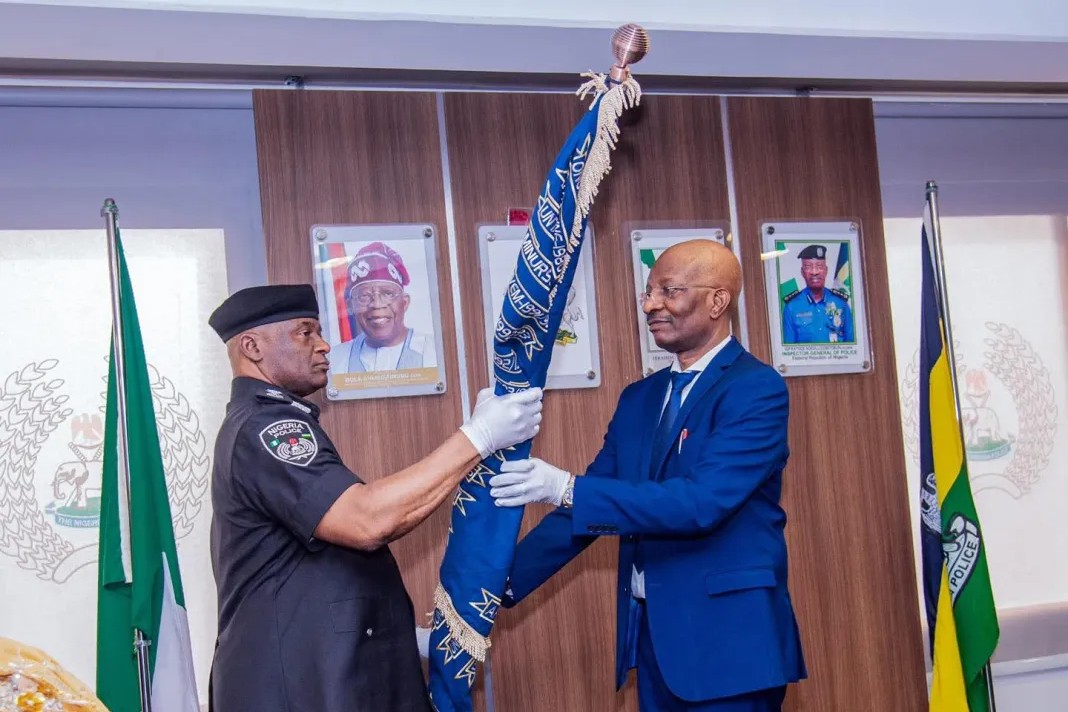
Professor Yakubu also welcomed two new National Commissioners, Professor Sunday Aja and Abdulrazak Yusuf, alongside six freshly minted Resident Electoral Commissioners (RECs).
He reminded them that electoral duties are full‑time commitments, not seasonal assignments, urging proactive policy implementation without constant Headquarters intervention.
Yet even as INEC outlines a clear roadmap, several fault lines persist. Political parties continue to mobilise legal challenges, while security agencies grapple with safeguarding personnel and materials across vast, remote constituencies.
The Commission’s pledge to upload regulations “as early as this week” must translate into actionable guidance to prevent administrative bottlenecks and legal wrangles that could derail polling schedules.
For a global audience, the INEC timetable underscores Nigeria’s struggle to harmonise rapid technological adoption with foundational electoral integrity.
With five elections slated in barely a year, the Commission’s credibility and Nigeria’s democratic future will be on full display—testing whether timetables alone can galvanise participation or simply chronicle another cycle of disillusionment.
Atlantic Post writer Osaigbovo Okungbowa contributed to this report.