Police in Peril: Egbetokun’s Patronage Push Sparks Ethnic Fissures and Institutional Fury
In an explosive development that threatens to deepen fractures within the Nigeria Police Force (NPF), Inspector‑General of Police (IGP) Kayode Egbetokun has forwarded to the Police Service Commission (PSC) a list of over 30 senior officers for “special promotion”—a move widely condemned as blatant patronage and ethnic favouritism.
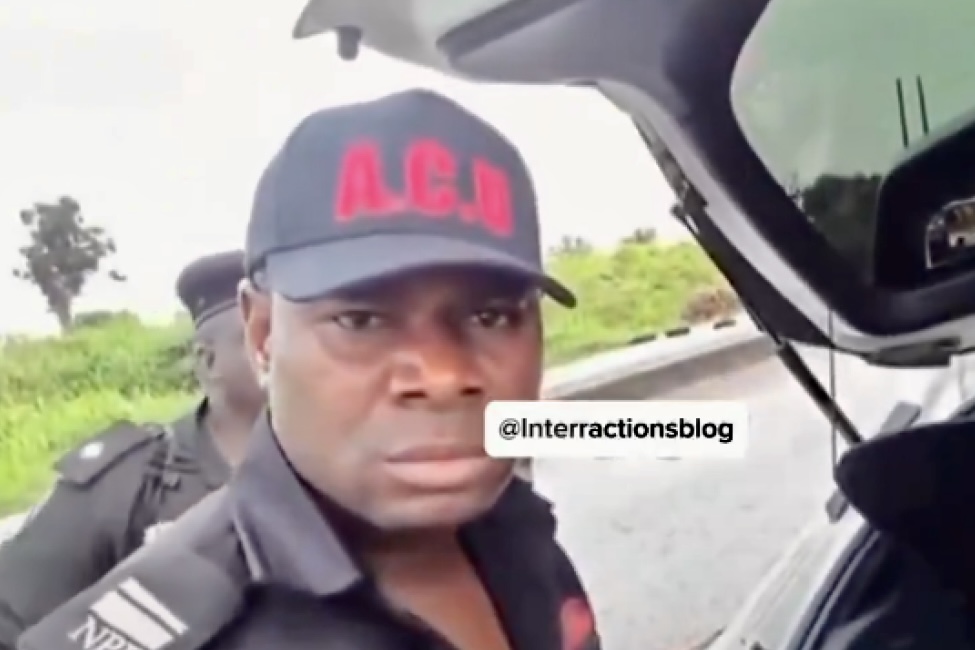
Among the beneficiaries is Force Public Relations Officer Muyiwa Adejobi, tipped for elevation to Deputy Commissioner of Police (DCP), on account of alleged “gallantry”.
Critics warn that the fast‑tracking of predominantly South‑West officers risks institutional integrity and morale in an already strained force.
The Contested List: Loyalty over Merit?
On 28 July 2025, SaharaReporters broke the story that IGP Egbetokun had personally selected more than 30 loyalists for accelerated promotion, bypassing standard tenure and vacancy requirements.
Chief among the nominees:
Muyiwa Adejobi, the Force PRO, proposed for DCP on grounds of “gallantry.”
DCP Ahmed Lateef, Egbetokun’s Principal Staff Officer since March 2025.
A roster of aides and confidants, many tied by service under President Bola Tinubu when Egbetokun served as Chief Security Officer in Lagos.
Erosion of Promotion Norms
Under Nigeria’s Police Regulations, promotions to senior ranks (DCP and above) require minimum years-in-grade, satisfactory performance evaluations and competitive seniority pools.
By contrast, “special promotions”—while constitutionally permissible—have historically been sparingly used and reserved for officers displaying extraordinary heroism in field operations.
The scale and speed of Egbetokun’s list mark a departure from precedent.
Ethnic Favouritism: A Force Divided
Sources within the command warn that over 60% of the special‑promotion list hail from South‑West states (Ogun, Lagos, Oyo, Osun, Ondo, Ekiti)—home turf of both Egbetokun and President Tinubu.
Critics charge that such regional concentration:
Breaches the federal character ethos, designed to ensure geo‑political equity in federal appointments.
Fuels perceptions that sensitive formations (RRS Lagos, FCID Abuja, etc.) are under South‑West hegemony.
Demoralises officers from under‑represented zones (North‑East, North‑West, South‑South), exacerbating desertions and unrest.
“The IGP’s provincial management style keeps mostly Yorubas in sensitive formations,” a senior officer laments, describing rank‑and‑file consternation at “an already fractured police force”.
Historical Comparisons
Under former IGP Mohammed Adamu (2019–2021), special promotion was invoked for fewer than 10 officers per annum, spread across geo‑political zones.
Egbetokun’s list—over three times that number—suggests an unprecedented patronage surge, reversing recent PSC efforts to standardise promotion timelines and checks.
Institutional Friction: PSC vs. IGP
The PSC, constitutionally empowered to vet and confirm all senior police promotions, now faces a litmus test.
In February 2025, a public feud erupted when PSC directives to retire officers at age 60 or 36 years’ service were countermanded by Egbetokun, who argued operational necessity.
Analysts warn that another clash looms:
PSC Chair Ikechukwu Ani must decide whether to approve a list viewed by many as an end‑run around meritocracy.
A nod risks disenfranchising career officers and betraying the PSC’s mandate to prevent arbitrariness.
A veto could provoke Egbetokun to exploit executive backing, deepening constitutional strains.
“PSC must uphold the rule of law, not bow to sectional interests,” says a legal expert on police governance.
Morale and Operational Impacts
Beyond elite quarrels, the rift has tangible security repercussions:
Desertions and transfers: Reports indicate a spike in officers seeking transfers from Lagos and Abuja to “less politicised” commands.
Operational cohesion: Insiders cite reluctance to follow orders from newly minted favourites, fearing they lack institutional legitimacy.
Public trust: Growing perception of a force serving patronage networks undermines community policing initiatives, especially in restive regions.
Comparative Data
A 2023 NPF workforce audit found that only 15% of top‑tier leaders were South‑West born, reflecting historical balance.
A sudden shift to 60% in special promotions could, within a year, tilt senior ranks beyond 30%—a steep deviation.
Pension Scheme Fallout and Legacy Critiques
Critics argue Egbetokun’s sidestepping of administrative norms reflects deeper governance flaws:
Former IGP Usman Alkali Baba lambasted the contributory pension scheme, highlighting unpaid benefits and welfare lapses for retired officers (Isah, a PA backward over seven months without a kobo).
Baba contends that Egbetokun, a career field operator, lacks expertise in police administration and welfare policy—yet wields promotion power unilaterally.
“He has never sought counsel from predecessors,” Baba quipped. “The IG’s office is busy, but not busy enough to ignore institutional wisdom.”
Political Underpinnings and Future Outlook
Analysts trace the controversy to Egbetokun’s longstanding ties with President Tinubu, whom he served as CSO in Lagos.
Since his 19 June 2023 appointment, Egbetokun has steadily consolidated loyalists across strategic units—Rapid Response Squad, FCID, PSC liaison—mirroring a presidential network within the NPF.
Potential Scenarios
PSC Approves List: May prompt legal challenges, protests by affected officers, and calls for judicial review.
PSC Rejects or Trims List: Risks executive backlash and further institutional gridlock.
Negotiated Compromise: Could entail dispersing promotions across zones and reinstating seniority criteria.
Recommendations for Restoring Balance
To avert a full‑blown crisis, stakeholders must:
Enforce Federal Character: Align special promotions with constitutional equity principles.
Reinstate Merit Metrics: Reaffirm years‑in‑grade, performance scores and competition over loyalty bids.
Strengthen PSC Independence: Shield the Commission from executive and force‑head interference.
Engage Ex‑IGPs Forum: Convene former IGPs to mentor and advise on administrative best practices.
IGP Kayode Egbetokun’s sweeping bid to fast‑track loyalists into the NPF’s upper echelons has ignited fresh controversy over ethnic favouritism, institutional integrity and governance norms.
As the Police Service Commission deliberates, Nigeria’s security establishment stands at a crossroads: uphold the rule of law or succumb to sectional patronage.
The outcome will shape not only the careers of dozens of officers but the very credibility of the Nigeria Police Force as a guardian of national unity and justice.