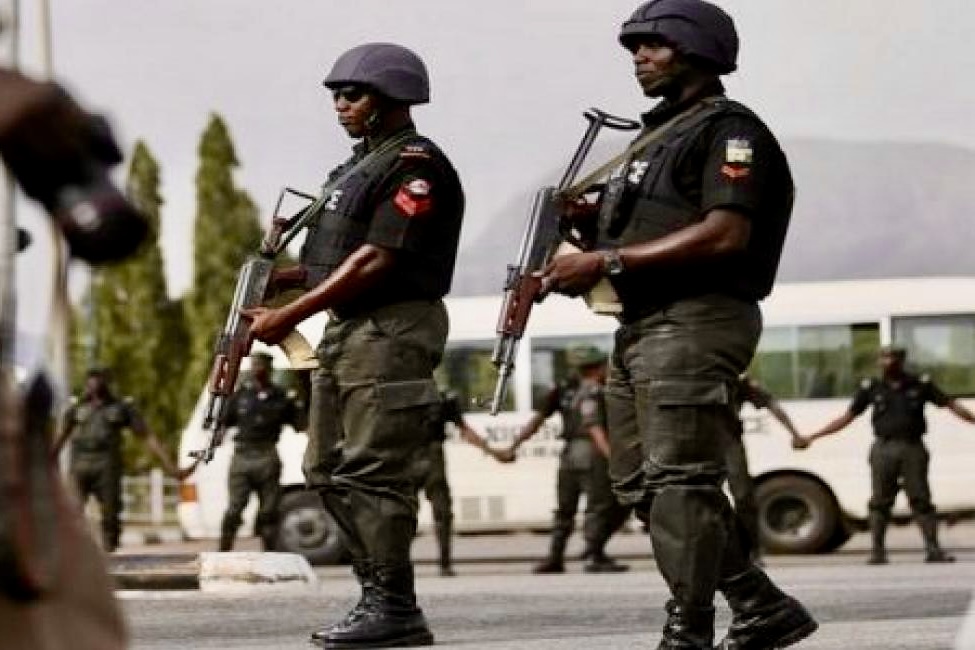
Amid fake news targeting IGP Egbetokun, the Nigeria Police confronts trust issues and misinformation. Can reforms rebuild public confidence?
The IGP’s Alleged Directive: A Web of Falsehoods Unravelled

The corridors of Nigeria’s law enforcement were shaken on December 22, 2024, when a viral story alleged that the Inspector-General of Police (IGP), Kayode Adeolu Egbetokun had issued a shocking directive. According to the claims circulating on social media, the IGP supposedly encouraged citizens to physically confront police officers—even hurl stones—if they demanded to search their phones. The Nigeria Police Force (NPF), through its Force Public Relations Officer, ACP Olumuyiwa Adejobi, swiftly labelled these allegations as baseless and part of a growing trend of misinformation designed to erode trust between citizens and law enforcement.
The sensational nature of the allegation was sure to catch the public’s eye. After all, such a directive would starkly contradict the core principles of policing, which emphasise order, discipline, and accountability. However, the NPF’s rebuttal was unequivocal: the viral story was a lie, a fabrication intended to sow discord and undermine public confidence in the police force.
The Context of Misinformation
In an era where fake news spreads faster than verifiable facts, the damage caused by such a fabrication cannot be overstated. The allegations against IGP Egbetokun surfaced at a time when the NPF is striving to rebuild its image amidst growing public discontent over cases of police brutality and corruption. The fake news weaponised an already volatile issue—the contentious practice of phone searches by officers—to stoke public outrage.
ACP Olumuyiwa Adejobi, speaking from the Force Headquarters in Abuja, categorically debunked the claims. “The IGP has not issued any such directive encouraging violence against law enforcement officers,” he stated. Instead, the IGP has consistently advocated for accountability and adherence to the rule of law. Adejobi’s statement highlighted the NPF’s efforts to bridge the trust deficit with citizens by instituting channels for reporting police misconduct rather than endorsing vigilante-style justice.
A Systemic Issue: The Problem of Public Trust
The root of this misinformation’s traction lies in the fraught relationship between Nigeria’s police force and its citizenry. For decades, the NPF has grappled with widespread allegations of corruption, extortion, and abuse of power, with stop-and-search operations often at the centre of these controversies. Citizens’ phones, deemed a gateway to their private lives, have become symbolic of the overreach that many associate with such practices. Cases of officers demanding bribes or harassing individuals for refusing to hand over their phones have been widely documented, fuelling public resentment.
Given this backdrop, it is not surprising that a rumour suggesting the IGP had taken an extreme anti-police stance gained immediate traction. For many, the allegation, though false, seemed plausible because it tapped into a broader narrative of police misconduct and public dissatisfaction.
The Role of Social Media in Spreading False Narratives
Social media, while a powerful tool for disseminating information, has also become a fertile ground for the rapid spread of falsehoods. The viral nature of the fake news about IGP Egbetokun’s alleged directive is a stark reminder of the dangers posed by unchecked misinformation. Platforms like X (formerly Twitter), Facebook, and Instagram were abuzz with posts condemning the IGP, with hashtags such as #EndPoliceAbuse and #IGPDirective trending nationwide. Within hours, the rumor had reached millions, fuelling anger and calls for immediate action against the purported directive.
The NPF’s response, although timely, faced an uphill battle against the speed and scale of the rumour’s spread. Even as official channels released statements debunking the claims, many social media users were reluctant to accept the clarification, citing past instances where official narratives were later contradicted by whistleblowers or investigative reports.
Rebuilding Trust Through Transparency
The Nigeria Police Force’s response to this incident underscores a critical challenge: rebuilding trust in a society where skepticism about official pronouncements runs deep. By providing direct communication channels—helplines, social media platforms, and email contacts—the NPF aims to foster greater transparency and accountability. However, as the viral fake news incident reveals, these efforts must be coupled with proactive measures to combat misinformation.
The IGP’s emphasis on accountability reflects a broader commitment to reforming the police force. Encouraging citizens to report misconduct rather than resorting to violence aligns with the principles of democracy and the rule of law. Yet, achieving these reforms requires more than public statements; it necessitates systemic changes to address the root causes of distrust and misconduct within the force.
The Historical Context and Lingering Challenges
To fully understand the implications of the IGP’s alleged directive and the subsequent backlash, one must delve into the historical dynamics that have shaped police-citizen relations in Nigeria. The distrust between the public and the police did not emerge overnight; it is the product of systemic failures, colonial legacies, and decades of institutional neglect.

The Colonial Roots of Policing in Nigeria
The origins of Nigeria’s police force can be traced back to the colonial era, when law enforcement was primarily used as a tool of oppression. Established to protect colonial interests, the police force was more focused on quelling dissent and enforcing exploitative policies than serving the populace. This legacy of authoritarianism created a foundational distrust that persists to this day.
Post-independence, successive governments failed to reform the police force into an institution that prioritises public service. Instead, the force became a reflection of the larger political and social dysfunctions within the country. Corruption, lack of accountability, and inadequate funding have entrenched a culture of impunity, further alienating the public.
The Modern-Day Challenges
In contemporary Nigeria, the police force faces a myriad of challenges that exacerbate its negative perception. Low morale among officers, poor remuneration, and inadequate training contribute to a workforce ill-equipped to handle the complexities of modern policing. These issues are compounded by a judicial system plagued by inefficiency, leaving many officers to operate with little oversight.
The practice of phone searches during stop-and-search operations epitomises these challenges. While ostensibly aimed at combating cybercrime, this practice has devolved into an avenue for extortion and harassment. Citizens, particularly young people, have reported numerous cases of being detained or coerced into paying bribes under the guise of phone inspections.
The #EndSARS Movement: A Turning Point?
The #EndSARS protests of 2020 marked a watershed moment in Nigeria’s struggle for police reform. Sparked by allegations of brutality against the Special Anti-Robbery Squad (SARS), the movement galvanised millions of Nigerians to demand accountability and justice. Although the government announced the disbandment of SARS, the underlying issues remain unaddressed, as evidenced by the continued reports of misconduct during stop-and-search operations.
The viral fake news about the IGP’s alleged directive must be viewed against this backdrop of unresolved grievances. For many Nigerians, the rumour served as a rallying point for broader frustrations with the police force, even as it distorted the IGP’s actual stance.
The Role of Leadership in Driving Reform
As the head of the police force, IGP Egbetokun bears the responsibility of steering the institution toward meaningful reform. His emphasis on accountability and the establishment of reporting channels are steps in the right direction. However, these measures must be complemented by tangible actions that address the systemic issues plaguing the force.
Reforming the police force requires a multifaceted approach, including increased funding, comprehensive training programs, and the establishment of independent oversight mechanisms. Moreover, rebuilding trust necessitates a cultural shift within the force, emphasising empathy, professionalism, and a commitment to public service.
Toward a Future of Accountability and Trust
The viral controversy surrounding IGP Kayode Adeolu Egbetokun’s alleged directive serves as a stark reminder of the challenges and opportunities facing Nigeria’s police force. As the NPF seeks to rebuild public trust, the incident underscores the urgent need for systemic reforms that address both the symptoms and root causes of its credibility crisis.
The Need for Proactive Communication
One of the lessons from this episode is the importance of proactive communication in countering misinformation. While the NPF’s swift rebuttal of the false allegations was commendable, it also highlights the reactive nature of its public relations strategy. To mitigate the impact of future misinformation campaigns, the force must adopt a more proactive approach, regularly engaging with citizens and addressing concerns before they escalate.
Social media platforms, which played a central role in amplifying the fake news, can also be harnessed as tools for transparency and education. By leveraging these platforms to disseminate accurate information, showcase positive initiatives, and engage directly with the public, the NPF can gradually rebuild its image as a trustworthy institution.
The Role of Civil Society
Civil society organisations (CSOs) have a crucial role to play in bridging the gap between the police and the public. Through advocacy, education, and collaboration, CSOs can help foster a culture of accountability within the police force. Initiatives such as community policing programs, workshops on human rights, and independent oversight mechanisms can create a more inclusive and transparent law enforcement system.
Moreover, CSOs can act as watchdogs, ensuring that the NPF’s commitments to reform are not merely rhetorical but translated into tangible actions. By holding the police accountable, civil society can contribute to a more balanced and equitable relationship between law enforcement and the communities they serve.
A Call for Holistic Reform
Ultimately, the path to rebuilding trust and fostering accountability requires a holistic approach to police reform. This includes addressing systemic issues such as inadequate funding, poor training, and lack of oversight. It also involves fostering a culture of professionalism and empathy within the force, where officers are not only enforcers of the law but also stewards of public trust.
Harnessing Technology for Transparency
Technological advancements offer a unique opportunity to foster accountability. Body cameras, for instance, can serve as tools for transparency, capturing interactions between officers and citizens. However, the success of such initiatives hinges on their proper implementation and strict adherence to privacy guidelines.
Additionally, digital platforms enabling anonymous reporting of police misconduct can empower citizens to voice concerns without fear of retaliation. Such systems, combined with timely investigations and sanctions against errant officers, can send a strong message about the NPF’s commitment to reform.
The Long Road Ahead
For IGP Egbetokun and the Nigeria Police Force, the journey toward rebuilding trust will be arduous but not insurmountable. The viral fake news episode serves as a litmus test for the NPF’s ability to navigate the complex dynamics of public perception, misinformation, and systemic reform.
By embracing transparency, leveraging technology, and fostering collaboration with civil society, the NPF can chart a new course—one that prioritises accountability, professionalism, and public service. Only then can the force truly transform from an institution mired in controversy to one that embodies the principles of justice and equity.
Additional reports: Suleiman Adamu and Peter Jene, Atlantic Post Senior National Security and National Affairs Correspondents, respectively.