By Editor
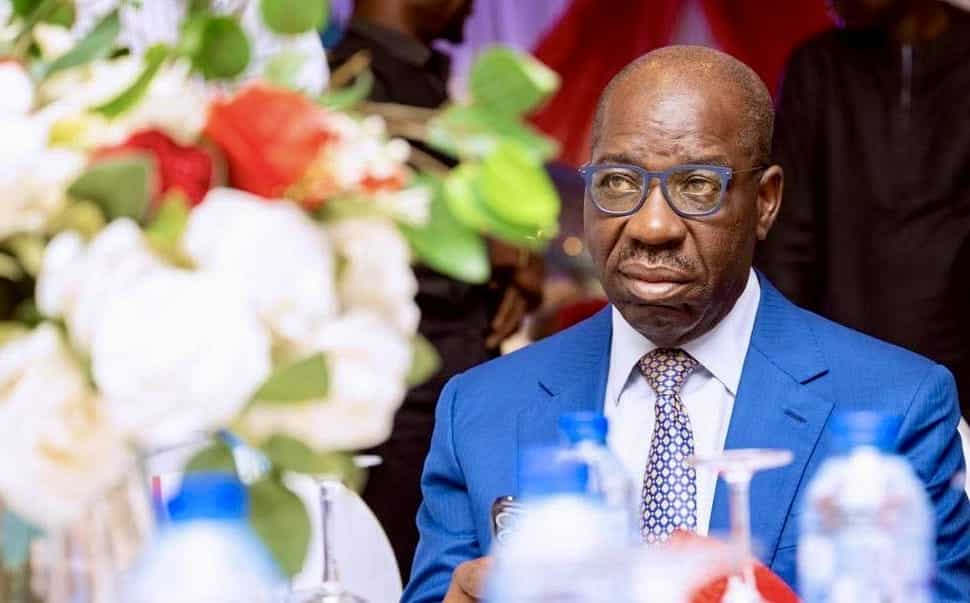
BENIN CITY, Edo State — As the end of his tenure looms, Edo State Governor Godwin Obaseki has made a striking declaration: he does not wish to be remembered for his many political battles. The governor, who has long been entangled in contentious disputes with both political benefactors and opponents, shared these sentiments in an impromptu interview with journalists on Friday, following the commissioning of the Airport Road Parks and Garden in Benin City. His statement, laden with implication and introspection, opens a wide array of questions about his legacy, leadership, and the impact of his administration on Edo State.

With just days left before handing over the reins to his successor, Governor-elect Monday Okpebholo, Obaseki’s remarks reflect a deeper concern about how his administration will be etched in the annals of Edo’s political history. However, while Obaseki may want to be remembered for his developmental strides rather than his confrontations, the political and administrative controversies that shadowed his tenure leave a complex and controversial legacy.
Obaseki’s Statement: A Glimpse into His Desired Legacy
In response to a reporter’s question about how he would like to be remembered, Obaseki replied, “Certainly not for the fights.” This response, seemingly offhand, is loaded with underlying tension, as it hints at the tumultuous political atmosphere that defined his time in office. Obaseki’s tenure has indeed been marked by numerous confrontations with high-profile figures, including his fallout with his predecessor and former benefactor, Adams Oshiomhole, a clash that set the tone for his first term and carried forward into his second. His battles were not limited to political rivals but extended into intra-party conflicts, which eventually saw him defect from the All Progressives Congress (APC) to the People’s Democratic Party (PDP).
A Legacy of Development Amidst Political Storms?
While Obaseki’s administration claims a long list of achievements, the legacy of his tenure will likely be coloured by the political turmoil and strained relationships that shadowed his eight-year rule. Speaking on Friday, the governor emphasised the importance of development projects and self-sustaining infrastructures as core components of his administration’s accomplishments.
One such project, the newly commissioned Airport Road Parks and Garden, is designed not only as a green space but as a long-term revenue generator for the state. According to Obaseki, a revenue model will ensure that billboard revenues and support from local entities like Prestige Hotel will maintain the park’s operations. He noted that these initiatives aim to improve public welfare while reinforcing the state’s infrastructure through sustainable funding.
Yet, while the governor lauds these projects as evidence of his commitment to Edo State’s development, critics question whether they are sufficient to outweigh the controversies and challenges his administration has faced. Are these projects, however commendable, enough to distract from the political battles that have defined Obaseki’s career? Moreover, will they resonate with Edo citizens enough to solidify a legacy that can endure beyond the immediate memory of his tenure?
The Political Battles that Defined Obaseki’s Tenure
To understand why Obaseki is so keen to distance his legacy from his “fights,” one must examine the major political confrontations that have cast a shadow over his administration. His first term was marked by escalating tension with Adams Oshiomhole, the very figure who had once been his political godfather. This dispute intensified to the point where Obaseki, then a member of the APC, was denied the party’s ticket for his re-election. The fallout with Oshiomhole led to one of the most publicised political shifts in recent Nigerian politics, with Obaseki leaving the APC and joining the PDP, sparking a cascade of political realignments.
This switch sparked waves of intra-party conflict, creating new adversaries and allies, further dividing the political landscape of Edo State. While Obaseki’s move to the PDP secured his re-election, it also deepened political fault lines and ushered in a more polarised governance structure. Many critics argue that these conflicts diverted attention from pressing developmental issues and created a sense of instability that hindered progress in Edo.
As Obaseki prepares to leave office, it’s clear that these clashes remain etched in the minds of Edo’s citizens. The desire to move past these “fights” and focus on development may be genuine, but political watchers say that Obaseki’s legacy cannot be separated from the hostilities and power struggles that defined his tenure. This, they argue, is the irony of his statement: while he may hope to be remembered for his work rather than his disputes, those disputes have become a hallmark of his administration.
Public Reactions: Mixed Sentiments from Edo’s Citizens
Reactions to Obaseki’s comments reflect the complicated relationship between the governor and the people he served. On social media platforms and in public spaces, Edo residents expressed a mix of views. Some citizens see Obaseki’s tenure as an era of missed opportunities, noting that his preoccupation with political battles impeded his ability to deliver on developmental promises. Others, however, commend his dedication to infrastructure projects, particularly the greening initiatives and urban renewal efforts in Benin City.
One resident, who spoke on condition of anonymity, remarked, “Obaseki did his best for Edo State, but the political battles were distracting. It felt like there was always a new controversy or fight, and that took attention away from governance.”
Another respondent was less forgiving, saying, “We’ve seen parks and roads, but where is the accountability? Too much money was spent on projects that don’t change the lives of average Edo people. And too much energy was spent on fights.”
These sentiments underscore the complex emotions surrounding Obaseki’s departure. While his achievements are acknowledged by some, the ongoing debate over his political style and confrontations leaves his legacy in question. This tension mirrors a broader national conversation about the costs of political instability and the responsibilities of leadership.
The Airport Road Parks and Garden: Symbol of Vision or Legacy Project?
Obaseki’s decision to highlight the Airport Road Parks and Garden as a hallmark of his administration’s commitment to development raises further questions about the symbolism of such projects. With sustainability models in place, the park is meant to serve as a self-financing green space, aimed at beautifying Benin City and creating a recreational space for Edo residents. Obaseki’s focus on sustainable revenue models for these parks and gardens reflects his administration’s attempt to create long-term solutions to infrastructure challenges.
However, critics argue that projects like the park are superficial, intended more as a visual legacy than as tangible improvements in the lives of ordinary citizens. They contend that the state’s resources could have been better spent on projects with direct economic benefits for the populace, such as improving healthcare, education, or small business development initiatives.
Obaseki’s supporters, however, view the park as part of a broader commitment to urban renewal, emphasising that a well-maintained city can attract investment and tourism. They argue that Obaseki’s efforts to enhance the aesthetic appeal of Benin City show a forward-thinking approach that goes beyond short-term gains, aiming to improve the quality of life for Edo residents.
Looking Forward: The Obaseki Legacy and Edo’s Political Future
With the inauguration of Governor-elect Monday Okpebholo on the horizon, Edo stands at a crossroads. Obaseki’s departure marks the end of a controversial era, leaving a complex legacy that will undoubtedly influence the state’s political landscape for years to come. Okpebholo’s approach to governance, shaped by his experience and promises to unify Edo’s fractured political landscape, will serve as a counterpoint to Obaseki’s administration.
For Obaseki, the days leading up to November 12 will offer an opportunity to consolidate his narrative, emphasising his accomplishments while downplaying the controversies that marked his tenure. However, it remains to be seen whether his plea to be remembered for his achievements rather than his fights will resonate with Edo’s citizens.
Conclusion: A Legacy of Contradictions
In the final analysis, Governor Godwin Obaseki’s tenure in Edo State reflects a legacy fraught with contradictions. While he can point to tangible developmental strides, particularly in urban renewal and sustainability initiatives, his administration’s legacy remains inextricably linked to the political clashes and contentious decisions that defined his rule.
As Edo State prepares to enter a new era under Governor-elect Okpebholo, the impact of Obaseki’s governance will linger, shaping both the opportunities and challenges facing the incoming administration. While he may not want to be remembered for his fights, these confrontations are woven into the fabric of his political legacy, a reminder of the high costs of discord and the elusive pursuit of a lasting legacy in the world of Nigerian politics.