Editor
Introduction: A Storm in the Political Arena
In what has become one of the most sensational and controversial political sagas of the year, the Nigerian government finds itself embroiled in a high-stakes confrontation with a British national, Andrew Wynne, who was recently declared wanted by the Nigeria Police. The accusations levelled against Wynne are nothing short of explosive—allegations of plotting to overthrow President Bola Tinubu’s administration by building a network of sleeper cells intended to plunge Nigeria into chaos.


The plot thickened further when Wynne, from his base in the United Kingdom, made a startling appearance on Channels Television’s Politics Today. Calm yet defiant, Wynne denied all allegations, claiming he was unaware of his fugitive status and vehemently refuting any involvement in the alleged plot. This dramatic twist has rattled the Federal Government, prompting a heated debate about the integrity of the accusations and the motivations behind the government’s actions.
The Allegations: A Deeper Dive into the Government’s Claims
The Nigeria Police, led by Force spokesperson Muyiwa Adejobi, have painted a grim picture of Wynne’s activities, accusing him of masterminding a sinister plot to overthrow the government. According to Adejobi, Wynne, under the alias Andrew Povich, allegedly established a network of sleeper cells across the country, funded and directed from abroad. The police claim that these cells were intended to orchestrate violent protests, spread disinformation, and incite chaos, ultimately paving the way for an unconstitutional regime change.
The details provided by the police are both specific and alarming. Wynne is accused of renting a space at Labour House in Abuja under the guise of operating a bookshop, “Iva Valley Bookshop,” and establishing a school, “STARS of Nations Schools,” as a front for his subversive activities. These institutions, according to the police, were mere decoys to mask his true intentions—toppling the democratically elected government of Nigeria.
But what stands out in this narrative is the apparent lack of concrete evidence tying Wynne directly to the alleged plot. The police have not provided a clear ideological motive, nor have they clarified whether Wynne was acting independently or as an agent of a foreign government. The absence of these critical details raises significant questions about the validity of the accusations and the possibility of a larger, more complex political game at play.
Wynne’s Rebuttal: A Case of Witch-Hunt or Genuine Misunderstanding?
Wynne’s appearance on Politics Today has added a new dimension to this unfolding drama. Speaking with a composed demeanour, he expressed shock at the allegations and denied any involvement in activities aimed at destabilising Nigeria. Wynne, who has had a long-standing relationship with Nigeria, emphasised his deep ties to the country, having visited for over 25 years and operated a bookshop within the Nigeria Labour Congress (NLC) office in Abuja for seven years.
“I am not aware that I am a fugitive. I am not aware that I am running away from the law,” Wynne stated, adding that he had always been transparent in his dealings in Nigeria. He also offered to cooperate with the Nigerian authorities, suggesting a discussion over WhatsApp, Zoom, or even in person at the Nigerian High Commission in London.
The most striking part of Wynne’s rebuttal was his assertion that the allegations against him might be part of a deliberate attempt to discredit him. His wife, whose name has been withheld for privacy, supported this claim, pointing fingers at one Olumide Inokunye, whom she accused of orchestrating the raid on her husband’s bookshop and framing him to avoid repaying a debt. This accusation, if true, could suggest that Wynne is the victim of a personal vendetta rather than a dangerous foreign operative.
A Troubling Precedent: The Nigerian Government’s Crackdown on Dissent
The case against Wynne, however, cannot be viewed in isolation. It is the latest in a series of actions by the Nigerian government that critics argue are part of a broader strategy to silence dissent and tighten control over political discourse. The declaration of Wynne as a wanted man, accompanied by a N20 million bounty for his arrest, raises concerns about the methods the government is willing to employ to maintain its grip on power.
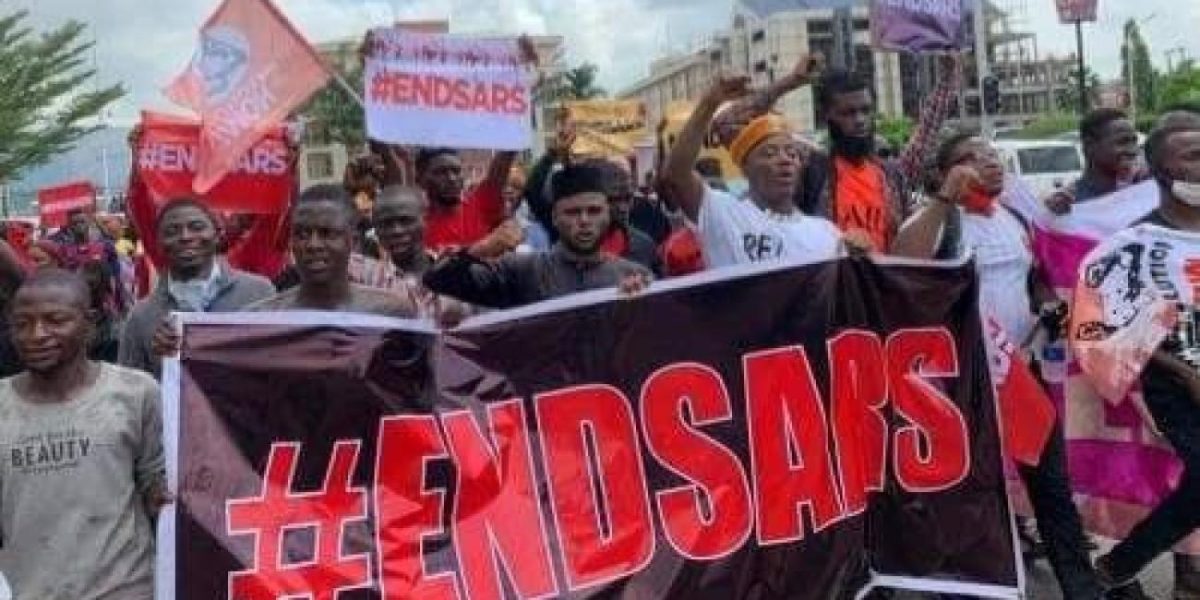
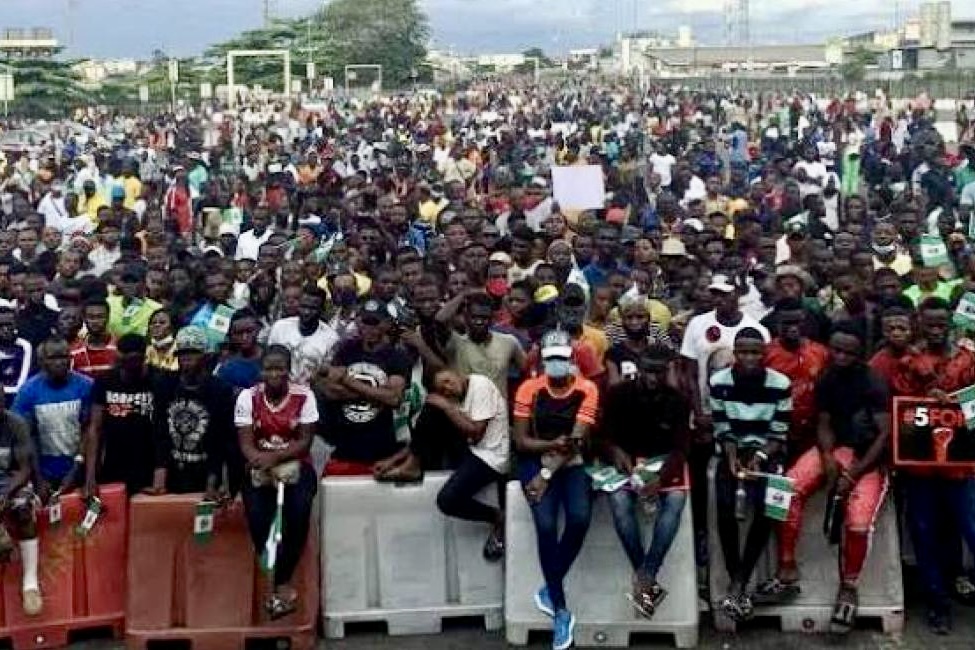
The Nigerian government has a history of using heavy-handed tactics against those it perceives as threats. From the crackdown on #EndSARS protesters to the recent arrest of opposition figures and journalists, there is a growing body of evidence suggesting that the Tinubu administration is increasingly intolerant of dissent. The allegations against Wynne, viewed in this context, appear less about national security and more about sending a chilling message to both domestic and international critics: Challenge us at your peril.
The Role of the Media: Channeling the Government’s Narrative
The media’s role in this unfolding drama cannot be ignored. The speed and intensity with which the allegations against Wynne were broadcast across Nigerian media outlets raise questions about the independence of these institutions. Channels Television, one of Nigeria’s most prominent news channels, gave Wynne a platform to speak, but this move has also sparked debate about whether the media is being used as a tool by the government to legitimise its crackdown.
Moreover, the framing of the narrative by the police, echoed uncritically by several media outlets, reflects a worrying trend in Nigerian journalism. Instead of investigating the veracity of the claims and seeking out alternative perspectives, much of the media has simply regurgitated the government’s line, thereby reinforcing a potentially flawed narrative.
This approach not only undermines the public’s trust in the media but also exacerbates the very tensions the government claims it is trying to quell. By failing to scrutinise the government’s claims, the media risks becoming complicit in the erosion of democratic freedoms in Nigeria.
The International Dimension: Nigeria’s Diplomatic Tightrope
The international implications of this case are significant. Nigeria’s relationship with the United Kingdom, already strained over various issues, could be further tested by the Wynne affair. The involvement of a British national in what the Nigerian government has described as a terrorist plot places the UK in a delicate position. Should the UK government intervene on behalf of its citizen, or should it respect Nigeria’s judicial processes and allow the case to unfold?
This diplomatic tightrope is complicated by Nigeria’s use of INTERPOL and other international policing networks to track down Wynne and his alleged accomplice, Lucky Obiyan. The global hunt for Wynne, if mishandled, could spark a diplomatic row, particularly if the UK perceives the charges against Wynne as politically motivated rather than based on solid evidence.
The Nigerian government’s actions also have broader implications for its international image. If the allegations against Wynne are proven false or exaggerated, Nigeria risks being seen as a nation that uses anti-terrorism laws as a tool for political repression. This could damage its standing in the international community and undermine its claims to be a stable, democratic nation.
Conclusion: A Case of National Security or Political Machinations?
The case against Andrew Wynne raises fundamental questions about the balance between national security and political freedom in Nigeria. While the government insists that it is acting to protect the nation from subversive elements, the lack of transparency and the heavy-handed approach used in this case suggest that other motivations may be at play.
Wynne’s calm denial of the charges and the accusations of personal vendetta made by his wife only add to the complexity of the situation. As this drama continues to unfold, it is crucial that the media, civil society, and the international community remain vigilant and ensure that the principles of justice and due process are upheld.
The outcome of this case will have far-reaching implications for Nigeria’s democracy. If the government’s actions are proven to be justified, it will be seen as a necessary defence of the nation’s sovereignty. However, if the allegations are revealed to be politically motivated, it could mark a dangerous precedent, signalling the beginning of a new era of repression in Nigeria.