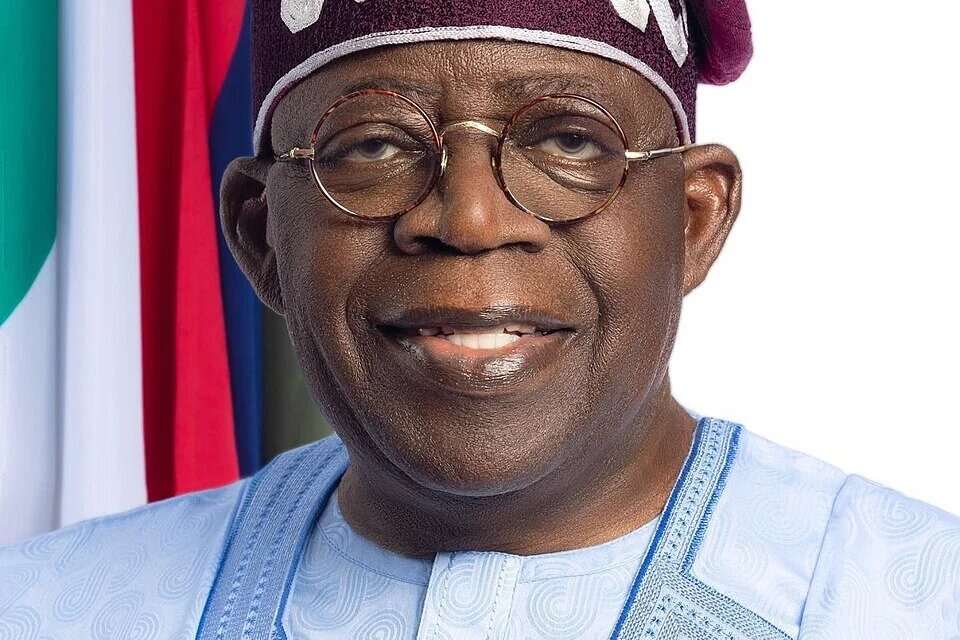
Governor Okpebholo’s high-stakes commissioner nominations spark fierce debate in Edo State. Unpacking political strategy, inclusion, and public expectations.
BENIN CITY, Edo State — In a move that has reignited the political discourse in Edo State, Governor Monday Okpebholo’s submission of six commissioner-designates to the Edo State House of Assembly for confirmation has sparked widespread scrutiny and debate. The action, encapsulated in a letter signed by the Secretary to the State Government, Umar Ikhilor, is both a routine administrative procedure and a powerful political statement.
The nominees—Marie Olabisi-Idaomi, Paddy Iyamu, Paul Ohounbamu, Washington Osifo, Lucky Eseigbe, and Andrew Ijegbai—represent a kaleidoscope of political affiliations, professional backgrounds, and regional interests. But beneath the surface of this ostensibly straightforward exercise lies a complex web of political strategy, governance challenges, and public expectations.
A Calculated Strategy or Routine Governance?
The timing and composition of the nominations have raised eyebrows among political analysts and stakeholders. Coming at a time when Edo State is grappling with significant socio-economic challenges, including a fragile healthcare system, burgeoning youth unemployment, and an underperforming infrastructure network, the nominations carry the weight of symbolism and pragmatism.
Governor Okpebholo’s administration has been under increasing pressure to deliver on its campaign promises, and these appointments are widely seen as a litmus test for the government’s commitment to inclusive governance and effective leadership.
Critics argue that the selection process lacks transparency, with allegations of political patronage and loyalty overshadowing meritocracy. The inclusion of individuals such as Paul Ohounbamu and Washington Osifo, both of whom have been prominent figures in Edo’s political landscape, has fuelled speculation about the governor’s intention to consolidate power within his political base.
On the other hand, supporters of the administration contend that the nominations reflect a deliberate effort to strike a balance between experience and innovation.
The Political Heavyweights: Ohounbamu and Osifo
Among the nominees, Paul Ohounbamu and Washington Osifo stand out for their political pedigree and past roles in Edo State’s governance. Ohounbamu, a former Commissioner for Communication and Orientation, is no stranger to controversy.
His tenure in the Obaseki administration was marked by both commendations for his eloquence and criticisms for his perceived partisanship. His re-emergence as a commissioner-designate has sparked debates about his potential role in shaping the administration’s communication strategy and public relations.
Similarly, Washington Osifo, a known ally of Governor Okpebholo and a former member of the state House of Assembly, brings legislative experience and a reputation for political resilience. However, his nomination has also drawn criticism from opposition figures who accuse the administration of recycling old political actors at the expense of fresh perspectives.
The Women’s Inclusion Question: Marie Olabisi-Idaomi’s Nomination
Marie Olabisi-Idaomi’s nomination has been lauded by gender advocates as a step towards bridging the gender gap in Edo State’s political appointments. However, the singular inclusion of a woman among the six nominees has been described as tokenistic by critics who argue that it falls short of achieving meaningful gender parity. The move raises questions about the administration’s commitment to empowering women in governance beyond symbolic gestures.
Regional Dynamics and the Politics of Inclusion
Edo State’s intricate ethnic and regional composition has always played a pivotal role in its politics. The nomination of individuals from diverse backgrounds—representing different senatorial districts—appears to be a calculated attempt to foster inclusivity and mitigate regional tensions. However, the absence of clear representation from certain minority groups has sparked concerns about marginalisation and the equitable distribution of political appointments.
Lucky Eseigbe and Andrew Ijegbai’s nominations, for instance, are viewed as efforts to pacify constituencies that have felt sidelined in previous political arrangements. Yet, the success of this strategy will largely depend on their performance and ability to address the specific needs of their regions.
Legislative Dynamics: A Test for the Edo State House of Assembly
The confirmation process in the Edo State House of Assembly promises to be anything but a rubber-stamp exercise. With a legislature that has often been at loggerheads with the executive arm, the confirmation hearings are expected to be a battleground for political manoeuvring and accountability. Opposition lawmakers, in particular, are likely to seize the opportunity to scrutinise the nominees’ qualifications, track records, and potential conflicts of interest.
The letter from the Secretary to the State Government, which accompanied the nominations, emphasised the governor’s expectation of an “expeditious confirmation.” However, this request may encounter resistance from legislators who view the process as an opportunity to assert their independence and demand concessions from the executive arm.
Public Perception and Expectations
The announcement of the commissioner-designates has elicited mixed reactions from the public. While some view it as a necessary step towards addressing the state’s governance challenges, others see it as yet another example of political theatrics that prioritize personal and party interests over the welfare of the people. Social media platforms have been awash with debates about the nominees’ suitability, with many Edo citizens calling for a more participatory and transparent selection process.
The Road Ahead
As the Edo State House of Assembly begins the confirmation process, the stakes could not be higher for Governor Monday Okpebholo and his administration. The success or failure of this exercise will not only shape the trajectory of his government but also influence the broader political landscape in Edo State.
For the nominees, the challenge lies in transcending the controversies surrounding their appointments and proving their mettle in addressing the myriad issues facing the state. For Governor Okpebholo, the nominations represent a high-stakes gamble that could either consolidate his political standing or expose the cracks in his administration.
In the final analysis, the appointment of commissioners in Edo State is far more than a routine administrative exercise; it is a microcosm of the complex interplay between governance, politics, and public expectations in Nigeria. Whether this process will yield tangible benefits for the people of Edo State remains to be seen, but one thing is certain: the spotlight is firmly on Governor Okpebholo and his team as they navigate this critical juncture in their administration.
Additional report: Osaigbovo Okungbowa
Atlantic Post Senior Political Correspondent