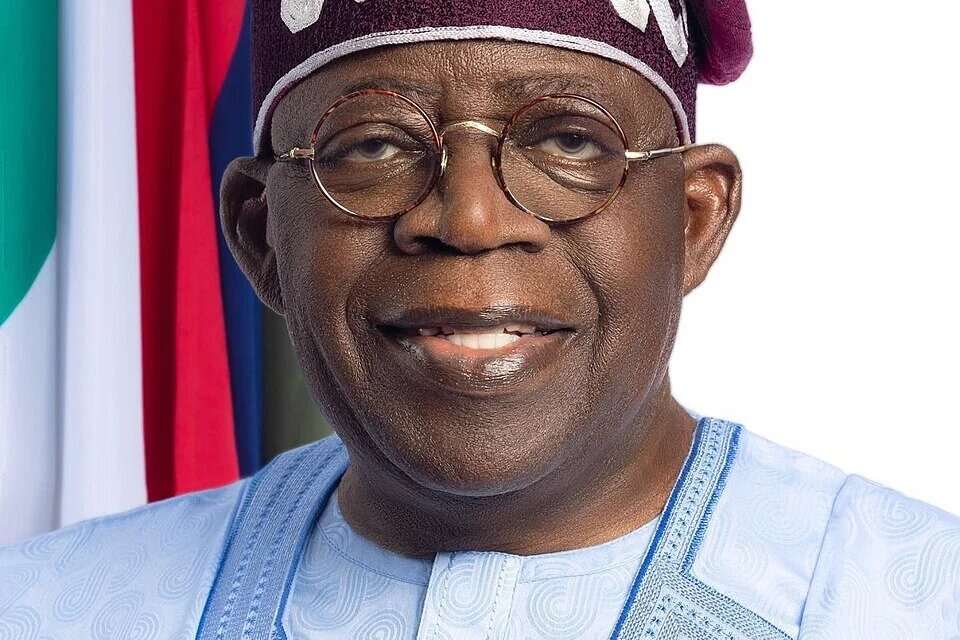
Governor Babajide Sanwo-Olu signs Lagos State’s N3.366 trillion 2025 budget into law. Can this ambitious fiscal plan meet citizen expectations amid transparency concerns?
IKEJA, Lagos — In what has been touted as a landmark fiscal move, Lagos State Governor Babajide Sanwo-Olu, on Thursday 9 January, 2025, signed the state’s 2025 appropriation bill into law, cementing an unprecedented budget size of N3.366 trillion. This historic budget—the largest in the state’s history—has been described by the administration as a blueprint for continuity, aimed at furthering the developmental strides of Nigeria’s economic nerve centre.
However, as Lagosians digest this announcement, a wave of skepticism has emerged, questioning the administration’s ability to fulfil its lofty promises amid growing concerns over transparency and implementation.
A Budget of Continuity or Grandiose Aspirations?
The announcement came via Gboyega Akosile, the Special Adviser on Media and Publicity to Governor Sanwo-Olu, who took to X (formerly Twitter) to declare the signing of the bill. He described the budget as a vehicle to sustain the “great works” of the administration.
While this proclamation may resonate with supporters of the Sanwo-Olu government, critics argue that the phrase “great works” remains nebulous, especially in the face of glaring infrastructural deficits, rising poverty levels, and a state marred by allegations of mismanagement.
For context, Lagos State, often dubbed Nigeria’s economic powerhouse, generates internally generated revenue (IGR) surpassing that of several African countries. Yet, citizens routinely grapple with dilapidated roads, unreliable public services, and a housing crisis that disproportionately affects the less privileged.
The question on everyone’s lips is whether this record-breaking budget will translate into tangible improvements or become another fiscal mirage.

Breaking Down the N3.366 Trillion Allocation
Governor Babajide Sanwo-Olu’s signing of the N3.366 trillion 2025 budget has sparked significant discussion among Lagosians, particularly regarding the allocation of funds across various sectors. The administration has outlined specific allocations aimed at addressing key areas of development:
Economic Affairs: A substantial N908.699 billion has been earmarked for this sector, underscoring the government’s commitment to stimulating economic growth and development.
Environment: N233.176 billion is allocated to environmental initiatives, reflecting the state’s focus on sustainability and addressing environmental challenges.
Health: The health sector is set to receive N204.005 billion, indicating an emphasis on improving healthcare services and infrastructure.
Education: N208.376 billion is designated for education, highlighting the administration’s priority on enhancing educational facilities and access.
Security, Safety, and Public Order: This sector is allocated N124.073 billion, aiming to bolster security measures and maintain public order.
Social Protection: N47.077 billion is set aside for social protection programmes, targeting support for vulnerable populations.
These allocations suggest a comprehensive approach to addressing the multifaceted challenges facing Lagos State. However, critics point to a history of ambitious budgetary allocations followed by subpar execution. For instance, the Lagos Rail Mass Transit project, a flagship initiative intended to revolutionise urban transportation, has experienced repeated delays and escalating costs, raising concerns about the efficiency and transparency of project implementation.
The administration’s focus on sectors such as Economic Affairs and Infrastructure is evident, with significant funds allocated to these areas. Yet, the effectiveness of these investments is contingent upon transparent and efficient execution. The recurring delays in critical projects like the Lagos Rail Mass Transit exemplify the challenges in translating budgetary allocations into tangible outcomes.
Furthermore, the substantial allocation to the Environment sector reflects an acknowledgment of environmental challenges. However, without clear implementation strategies and accountability mechanisms, there is skepticism about the potential impact of these funds.
In conclusion, while the 2025 budget allocations indicate a strategic focus on key development areas, the administration faces the critical task of ensuring that these funds are utilized effectively. The success of this budget will largely depend on the government’s ability to execute projects transparently and efficiently, thereby meeting the expectations of Lagosians and addressing the state’s pressing challenges.
For a visual breakdown and further insights into the Lagos State 2025 budget allocations, you may find the following video informative:
Accountability: The Missing Link
Fiscal responsibility and transparency have become buzzwords in Nigerian politics, yet they remain elusive in practice. The Lagos State government’s financial dealings have often been shrouded in secrecy, with limited public access to expenditure reports and audit findings. Civil society organisations have repeatedly called for greater openness, emphasising that transparency is crucial for fostering public trust and ensuring that allocated funds reach their intended targets.
Governor Sanwo-Olu’s administration must contend with mounting pressure to provide periodic updates on the budget’s implementation. The citizens of Lagos deserve to know how each naira is being spent and the measurable outcomes of such expenditures. The current administration’s reluctance to establish a robust framework for fiscal accountability raises red flags, fuelling concerns that the 2025 budget could become another tool for perpetuating systemic corruption.
The Political Undertones
The timing of this budget’s announcement is significant, as Lagos prepares for another electoral cycle. Political analysts argue that the N3.366 trillion figure is not just a financial statement but a strategic move to solidify the ruling party’s position ahead of the 2027 general elections.
By unveiling an ambitious budget, the Sanwo-Olu administration seeks to project an image of competence and progressiveness, countering narratives of stagnation and elitism that have plagued it in recent years.
However, this strategy is not without risks. If the administration fails to deliver on its promises, the opposition could seize the opportunity to galvanise public discontent. The stakes are high, and the success or failure of this budget will undoubtedly shape the political landscape of Lagos State in the years to come.
Citizen Expectations vs. Government Promises
The average Lagosian—whether a market trader in Balogun or a commuter navigating the chaotic traffic of Ikorodu Road—is primarily concerned with tangible improvements in their daily lives. They yearn for better roads, reliable public transportation, affordable housing, and a clean environment. Grandiose announcements of trillion-naira budgets mean little if they do not translate into visible progress.
Social media platforms have been abuzz with reactions to the budget announcement. While some hail it as a testament to Lagos’s economic strength, others dismiss it as political grandstanding. A recurring sentiment is the demand for detailed disclosures on how the funds will be allocated and the mechanisms for monitoring their utilisation.
The Way Forward
As Governor Sanwo-Olu embarks on this ambitious fiscal journey, he must prioritise transparency, stakeholder engagement, and meticulous execution. The 2025 budget presents an opportunity to redefine governance in Lagos State, showcasing a model where public resources are managed efficiently and equitably.
Key to achieving this is the establishment of independent monitoring bodies to track budget implementation and provide regular updates to the public. Additionally, fostering partnerships with civil society organisations can help bridge the gap between government policies and citizen expectations.
In conclusion, the signing of the N3.366 trillion 2025 budget marks a critical juncture in Lagos State’s governance trajectory. While the Sanwo-Olu administration has outlined ambitious plans, the true measure of success lies in execution and accountability.
Will this historic budget usher in a new era of progress and prosperity, or will it become another chapter in the state’s long history of unmet expectations? Only time will tell, but for now, the spotlight is firmly on Governor Sanwo-Olu and his team.
Additional report: Taiwo Adebowale
Atlantic Post Senior Business Correspondent