ABUJA, Nigeria — Former Kaduna State governor Nasir Ahmad el-Rufai on Monday presented himself at the headquarters of the Economic and Financial Crimes Commission in Abuja.
This move has quickly become a public test of Nigeria’s anti-corruption credibility. It also tests the security services’ limits and the ruling party’s tolerance for a newly belligerent opposition figure.
His arrival at the EFCC gates triggered an uneasy standoff. Security operatives restricted parts of his entourage from entering the premises. Competing groups of demonstrators massed along the approach road.
They traded chants, banners, and accusations. The accusations questioned whether the unfolding investigation is accountability in motion or persecution in disguise.
Supporters, many chanting in solidarity, held placards reading “El-Rufai is a citizen, not a subject” and “We stand with El-Rufai. We stand for law.”
Across the junction, an opposing group raised banners. The banners included slogans like “El-Rufai cannot hide behind politics, let the law catch up.” Smaller placards also urged, “Answer the charge, El-Rufai.”
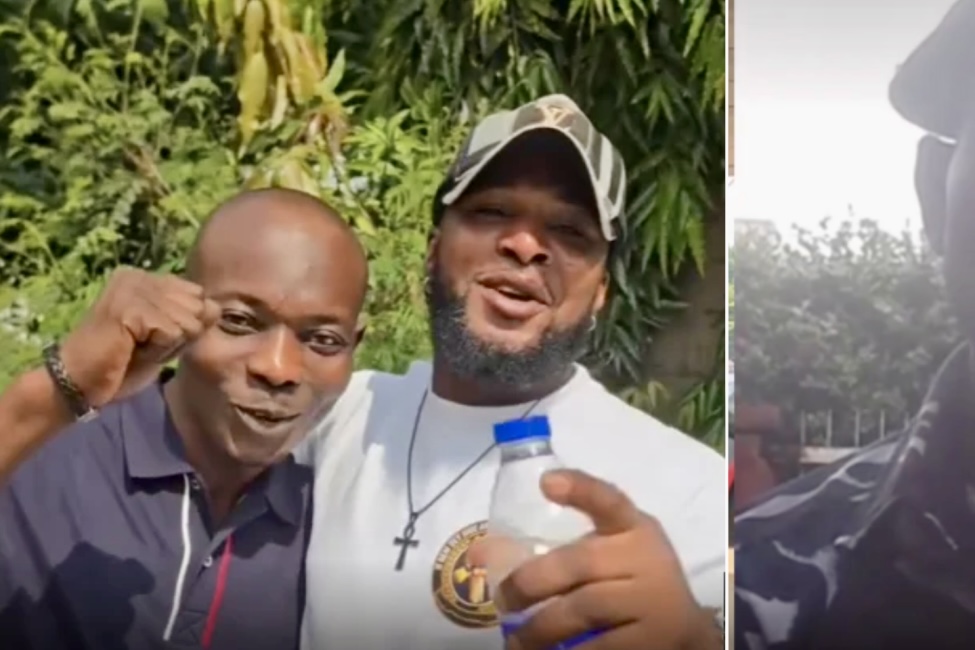
A video circulating online captured claims by El-Rufai’s supporters. They said they were dispersed with teargas. Meanwhile, they alleged that anti El-Rufai protesters were allowed to remain nearby. The EFCC has not publicly addressed the crowd control allegations.
Why This EFCC Visit Matters
El-Rufai’s appearance is being interpreted in Abuja as more than a routine anti-graft invitation. It lands at the intersection of three fast moving storylines.
One is the long running probe into alleged financial and administrative infractions during his eight-year tenure in Kaduna State. These include inquiries reportedly linked to a review initiated by his successor, Governor Uba Sani.
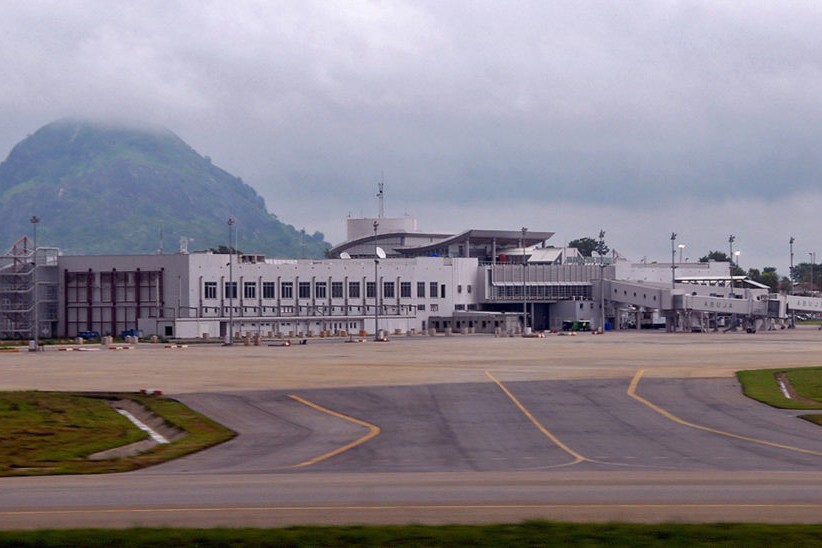
Second is an escalating dispute over the incident at Nnamdi Azikiwe International Airport last week. This happened when El-Rufai returned from Cairo. It has now pulled the Department of State Services into the political blast radius.
Third is a fresh court development. The Federal Government has filed criminal charges against El-Rufai at the Federal High Court in Abuja.
These charges are tied to allegations that he admitted involvement in unlawfully intercepting the phone communications of the National Security Adviser, Nuhu Ribadu. This admission occurred during a televised interview.
Together, the three strands have created a combustible mix of criminal justice questions, national security claims and electoral calculations. Both allies and critics frame the same facts as either lawful scrutiny. Alternatively, they see it as a coordinated squeeze on opposition organizing ahead of 2027.
The Airport Incident and the Passport Dispute
El-Rufai’s media adviser, Muyiwa Adekeye, alleged that security personnel tried to arrest the former governor. This happened as he arrived on a flight from Cairo. The attempted detention failed. El-Rufai demanded a formal invitation.
Adekeye wrote on X that “Security agents today attempted to arrest Malam Nasir El-Rufai. Malam El-Rufai declined to follow them without a formal invitation.” He also alleged that El-Rufai’s passport was seized.
El-Rufai later described the airport episode to BBC Hausa as “executive overreach and a deliberate disregard for the rule of law.”
He warned that he could be arrested at any moment. He added that several of his former aides had already been detained.
The DSS, still, has pushed back. A source quoted in local reporting denied any attempted arrest. The source said operatives only acted on a request from an unnamed anti-graft agency.
“We only seized his passport in response to a request by an anti-graft agency so he would honour their invitation,” the DSS source said.
That rebuttal has not ended the controversy. Instead it has sharpened two questions that now follow El-Rufai into every new development.
Was the state trying to detain a political figure without due process? Or was it using administrative leverage to compel compliance with investigators?
If the objective was compliance, why did the matter spill into an airport confrontation? Why wasn’t a clear and transparent legal summons served through established channels?
EFCC and ICPC: Parallel Tracks, One Political Storm
El-Rufai travelled abroad on 30 November 2025. Reports say the EFCC delivered an invitation letter to his residence in December while he was away. This fuelled speculation that he could face arrest on return.
He reportedly notified the commission that he would present himself at 10 am on Monday. This timing appears designed to underline cooperation. It also denies investigators the optics of a dramatic arrest.
Alongside the EFCC track, the Independent Corrupt Practices and Other Related Offences Commission has also summoned El-Rufai.
His lawyers have stated that he remains willing to cooperate with lawful investigations. They proposed a mutually convenient date for attendance. This was after what they described as a short notice invitation.
This overlapping investigative architecture matters because it raises the stakes for any prosecutorial misstep.
If multiple agencies appear to be moving in parallel without coordinated public clarity, it risks feeding claims of political weaponisation.
If, on the other hand, agencies are building a coordinated evidential case across procurement, budgeting, and administrative decisions, the legal exposure becomes more substantial. It becomes less easily dismissed as politics.
The New Charges Linked to Ribadu Phone Claim
The Federal Government has intensified an already volatile scene. It has filed charges marked FHC/ABJ/CR/99/2026 before the Federal High Court in Abuja.
According to reporting citing court documents, prosecutors claim El-Rufai made an admission during a television interview. He and others unlawfully intercepted the communications of NSA Ribadu.
The counts referenced provisions of Nigeria’s cybercrime and communications laws. They included an allegation that the conduct compromised public safety. The conduct also threatened national security.
As at Monday, no date had been fixed for El-Rufai’s arraignment in the matter. However, the filing alone reshapes the political theatre around his EFCC appearance.
An anti-graft invitation can be portrayed as routine. A federal charge sheet connected to national security claims is harder to spin away. This is true even if a defence team ultimately argues that the allegations are misconstrued. The claims could also be unproven or politically motivated.
The Politics Behind the Protests
The street level mobilisation outside the EFCC mirrors a broader realignment in elite politics.
El-Rufai was once a powerful figure within the All Progressives Congress establishment. He has since positioned himself as a harsh critic of President Bola Ahmed Tinubu’s administration. He also critiques the ruling party’s internal machinery.
He has repeatedly denied wrongdoing while alleging persecution by the federal government and the APC.
His opponents argue that anti-corruption institutions must be allowed to do their work. They believe no former governor should be insulated by partisan noise.
Supporters argue that the rule of law must be visible and consistent. It should not be selectively applied. They also insist that due process should not be replaced with security pressure and media spectacle.
The danger for the state is that any heavy handedness can turn a corruption inquiry into a martyr narrative.
The danger for El-Rufai is the sustained legal exposure across multiple agencies. This exposure can erode the credibility of his claim that the issues are purely political.
What To Watch Next
Several near-term indicators will determine whether this becomes a clean anti-graft process or a prolonged political crisis.
Whether the EFCC or ICPC publicly clarifies the scope of the allegations and the status of El-Rufai’s cooperation.
Whether there is transparent confirmation on the passport seizure. It should include who requested it, under what authority, and when it will be returned.
Prosecutors need to move quickly to fix an arraignment date on the federal charge. They must also disclose enough particulars. This is to prevent speculation from filling the vacuum.
And whether Abuja’s protest politics becomes a template for future high profile summonses, normalising street battles around law enforcement institutions.
For now, El-Rufai’s arrival at the EFCC is not just a visit. It is a moment that tests the integrity of Nigeria’s anti corruption institutions. It challenges the boundaries of security agencies. It also examines the line between accountability and political combat.
Follow us on our broadcast channels today!
- WhatsApp: https://whatsapp.com/channel/0029VawZ8TbDDmFT1a1Syg46
- Telegram: https://t.me/atlanticpostchannel
- Facebook: https://www.messenger.com/channel/atlanticpostng